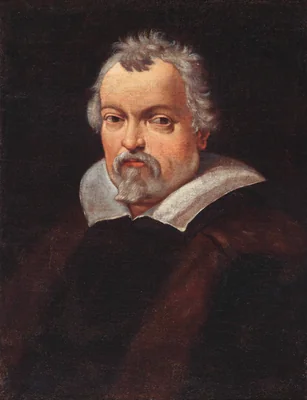
Ludovico Carracci
Ludovico Carracci (1555-1619) was a foundational Italian artist of the early Baroque movement, centrally active in Bologna, whose work is credited with initiating a fundamental redirection in Italian painting. As a painter, etcher, and printmaker, Carracci is widely recognized for leading the crucial shift away from the often over-intellectualized and formalized rigidity of late Mannerism. He spearheaded an artistic rejuvenation characterized by pictorial drama, psychological directness, and profound emotionalism, effectively reinvigorating media such as fresco painting which had suffered under the weight of decorative convention.
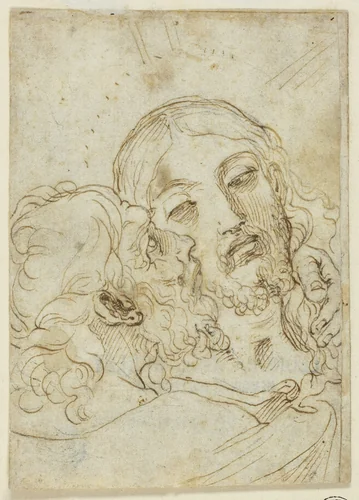
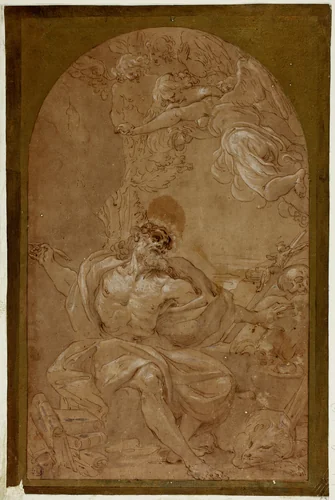
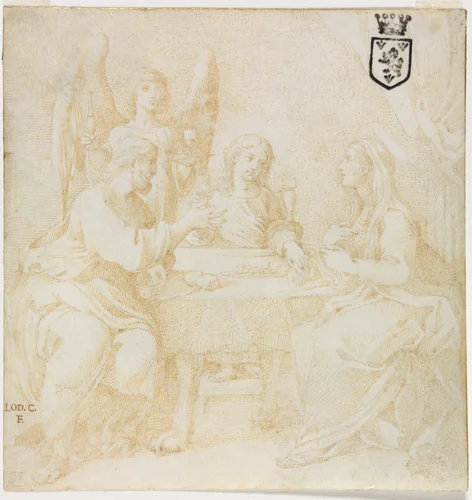
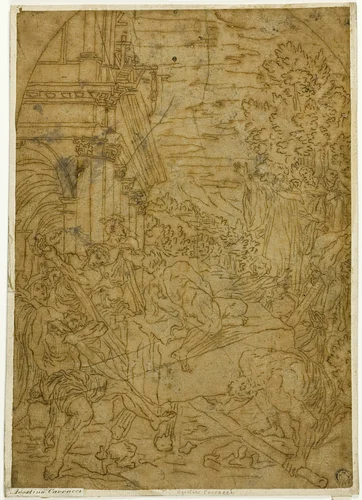
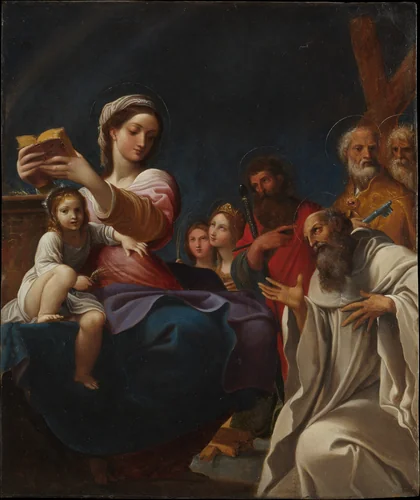
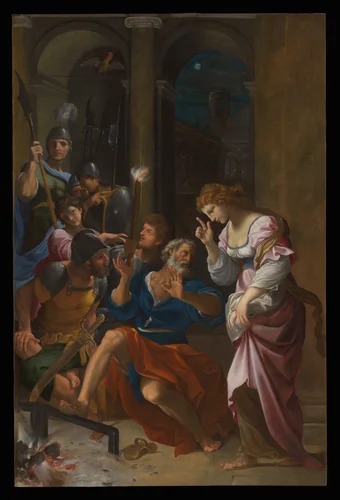
Carracci’s style deliberately moved past the brittle elegance of the previous generation. He focused instead on establishing a strong spiritual mood, achieved primarily through the strategic use of broad, communicative gestures and dynamically flickering light. This calculated interplay of form and illumination was designed not merely to narrate, but to elicit a visceral spiritual emotion in the viewer. Masterworks such as The Last Communion of Saint Jerome exemplify his revolutionary approach to narrative, transforming traditional religious events into immediate, moving human experiences. His compositions, which also include the intense drama of the Kiss of Judas, showcase his mastery of complex figure arrangements and emotional weight.
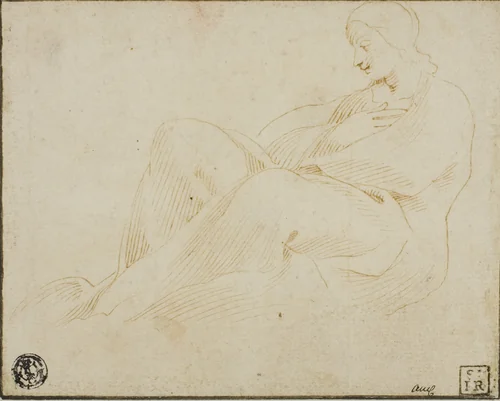
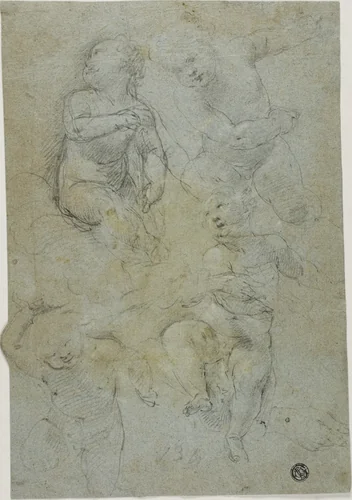
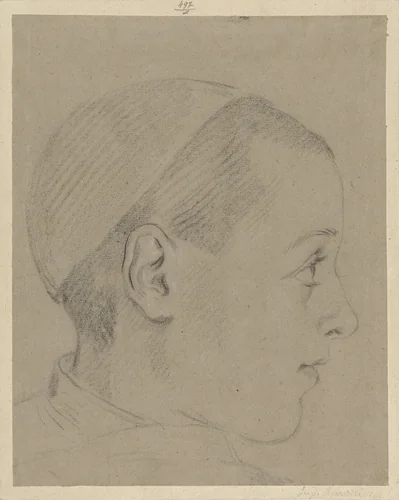
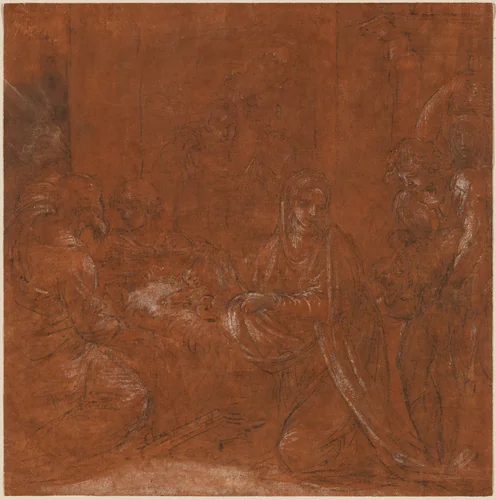
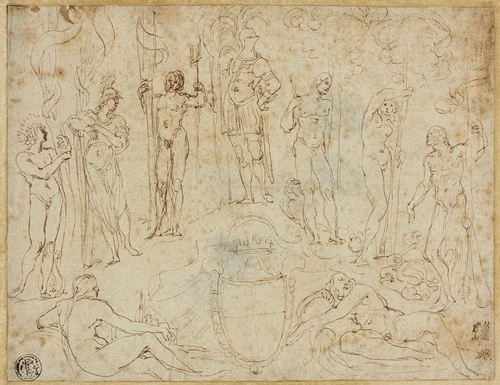
His dedication to drawing as a preparatory medium is evident in his impressive surviving corpus, which includes sensitive studies like Seated Draped Woman in Profile and the exploratory energy seen in drawings such as Sketches of Four Putti (recto); Kneeling Ecclesiastic (verso). He was highly skilled in balancing close observation with inventive flair. His surviving preparatory studies often suggest a man struggling for the right spiritual intensity, not just technical perfection.
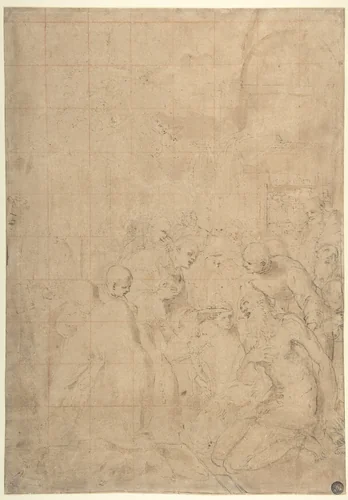
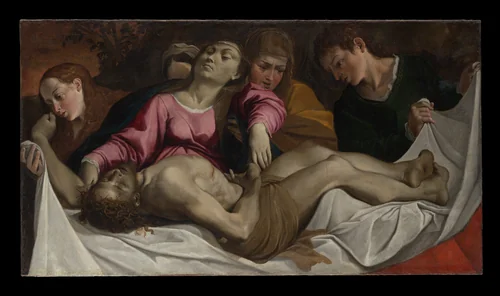
Today, his impactful Ludovico Carracci paintings and drawings, documented across key works like The Lamentation, are held in prestigious international institutions, including the Rijksmuseum, the Metropolitan Museum of Art, and the Art Institute of Chicago. The ability to study this pivotal shift in early Baroque art is increasingly global, with many major museums placing works in the public domain, making important historical images available today as downloadable artwork.
Source: Wikipedia · CC BY-SA 4.0