Ludovico Cardi
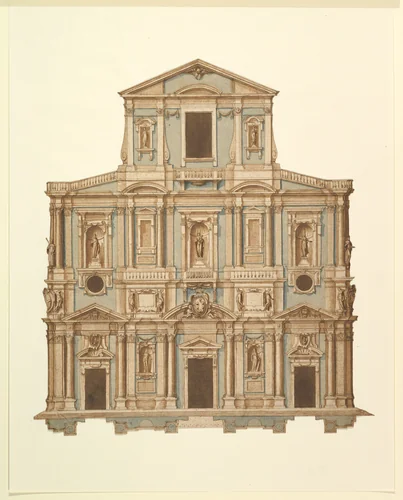
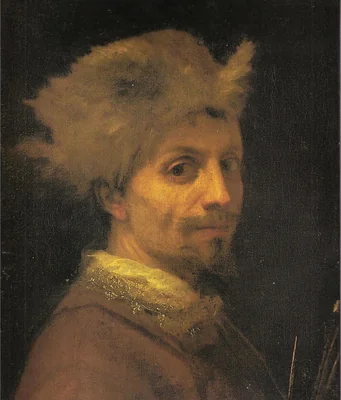
Ludovico Cardi, known by the appellation Cigoli, holds a distinctive and historically significant position in the Italian Seicento. Active as both an architect and a painter, his career straddled the pivotal artistic period marking the shift from sophisticated Florentine Late Mannerism to the emotive and theatrical energies of the burgeoning Baroque style. Born and trained in Tuscany, Cardi spent his crucial early career absorbing the exacting standards of the Florentine academic tradition before migrating to Rome, where he spent his final nine years at the epicenter of European artistic patronage.
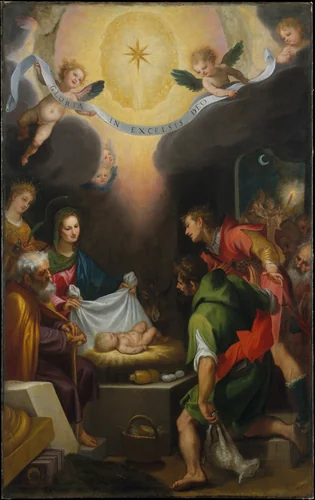
His work demonstrates a consistent effort to move beyond the highly stylized forms typical of the late sixteenth century. Cardi favored intense naturalism and powerful emotional expression, drawing upon Venetian chromatic techniques while retaining the robust sculptural modeling characteristic of Michelangelo and his followers. This synthesis resulted in dynamic canvases that signaled a new direction for religious painting, placing him among the foundational figures of the early Baroque.
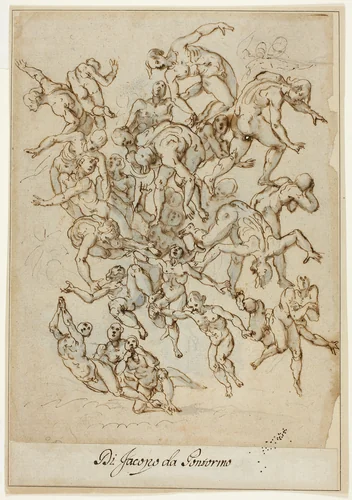
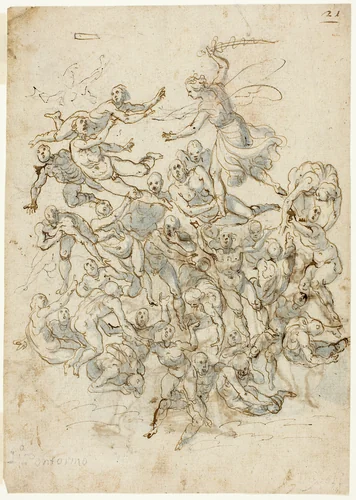
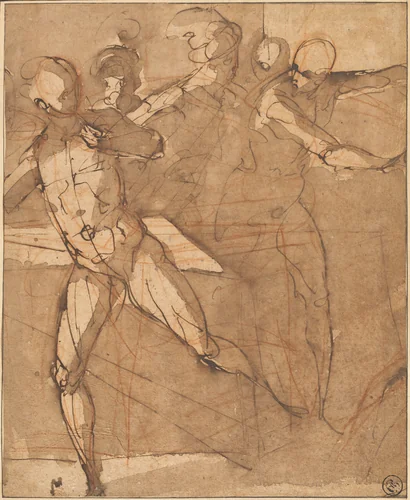
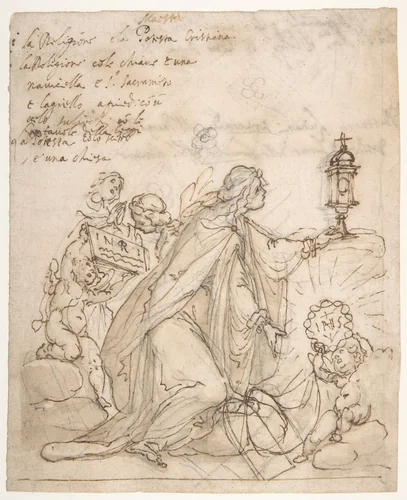
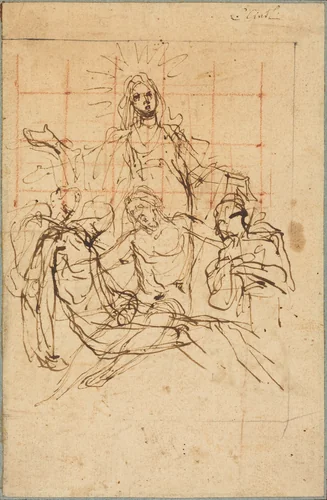
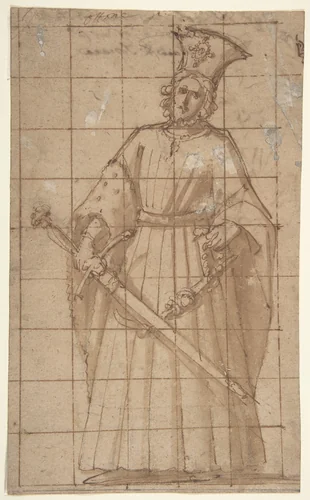
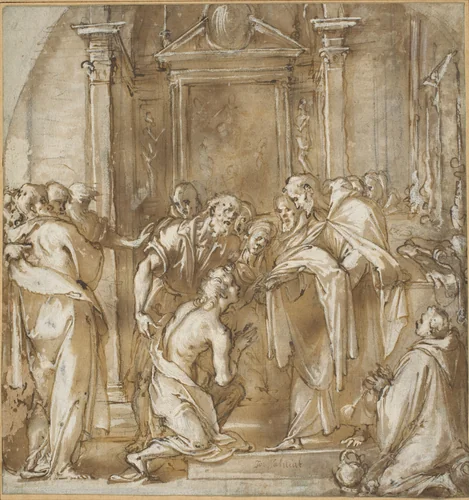
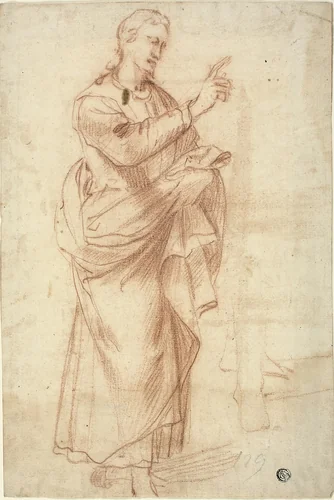
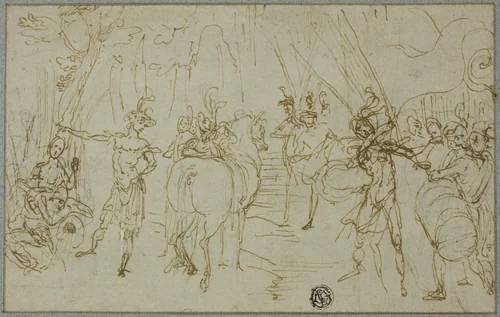
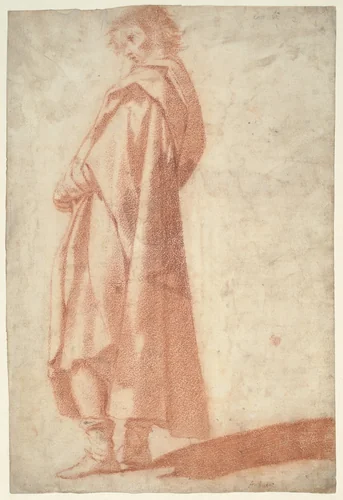
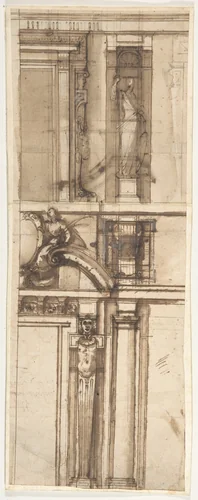
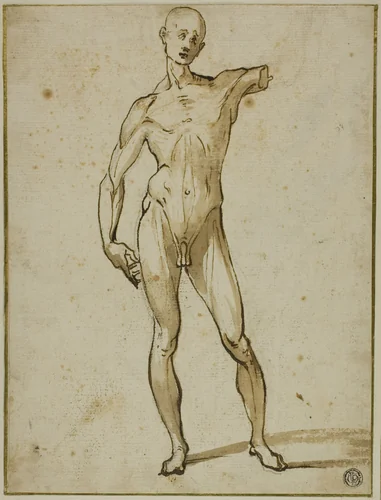
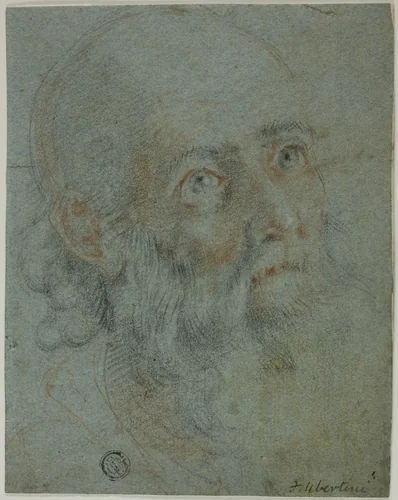
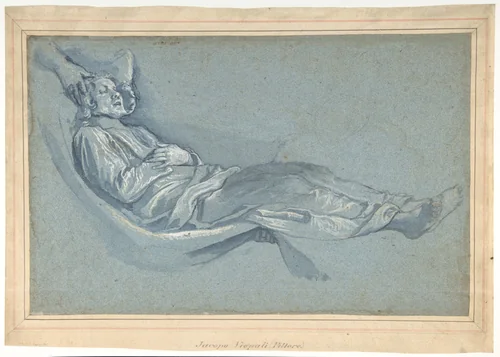
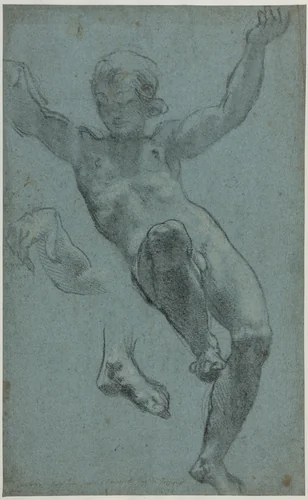
Cardi’s technical mastery is perhaps best observed in his copious preparatory drawings, many of which survive in international collections, including the National Gallery of Art and the Metropolitan Museum of Art. Drawings such as the studies for Fall of the Damned (recto) or Sketches of Seated Saint John the Baptist (verso) reveal an artist relentlessly pursuing anatomical accuracy and compositional balance. The sheer volume and quality of these preparatory studies confirm his dedication to classical rigor, even as he was preparing the way for dramatic naturalism.
His remarkable facility, which allowed him to successfully navigate the demanding Florentine system while simultaneously adapting to the opulent and competitive Roman market, suggests a rare combination of technical skill and astute artistic diplomacy. Today, much of his influential graphical work resides in the public domain, offering unparalleled access for scholars and collectors seeking high-quality prints for study. Significant Ludovico Cardi prints and paintings continue to be prized for their demonstration of this pivotal moment when Italian art abandoned cerebral elegance for visceral drama.
Source: Wikipedia · CC BY-SA 4.0