Ludolph Büsinck
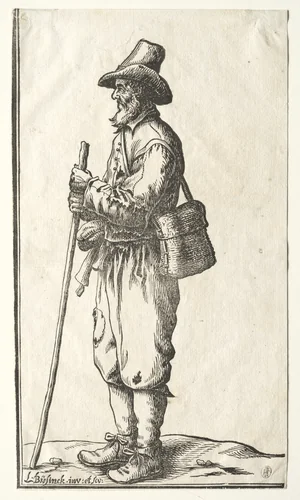
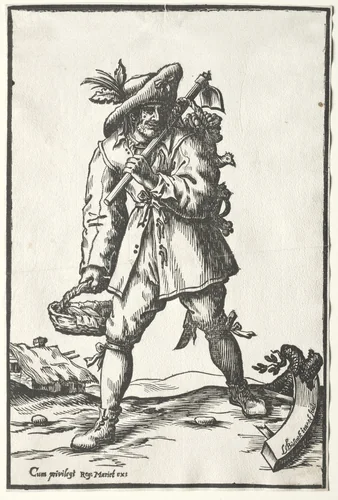
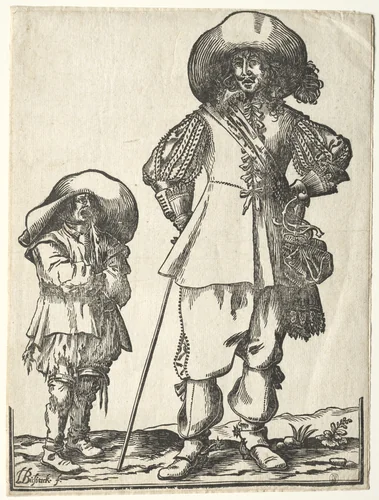
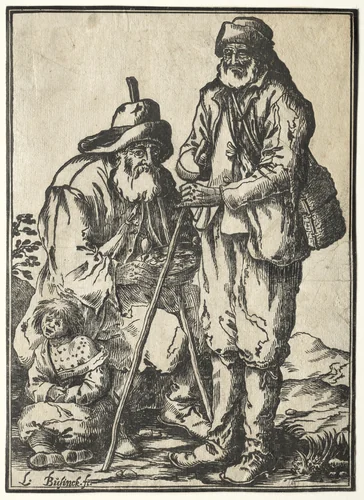
Ludolph Büsinck (c. 1600–1669) occupies a significant, if small, niche in the history of seventeenth-century printmaking, principally through his crucial role in transferring German and Italian printing methods into the French sphere. Born in Hann. Münden around 1600, this German painter and wood-engraver is chiefly recognized for establishing chiaroscuro woodcut production in Paris, a technique previously unpracticed in France.
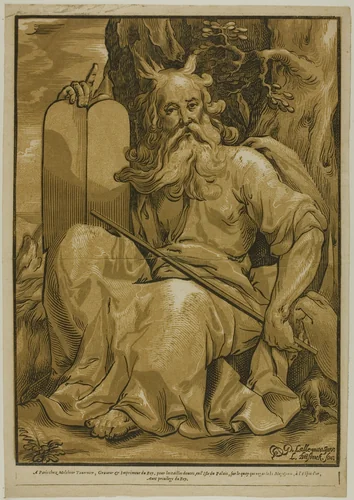
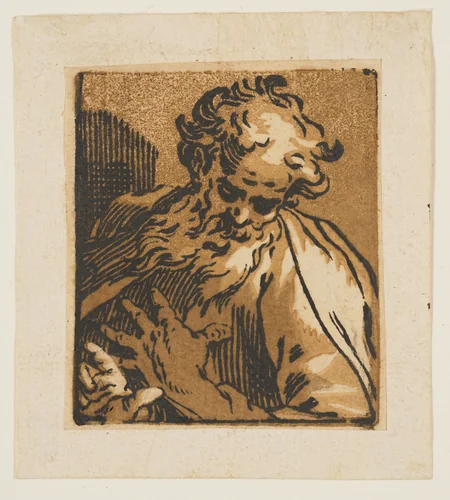
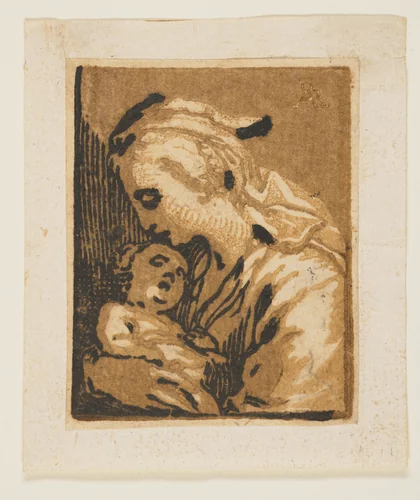
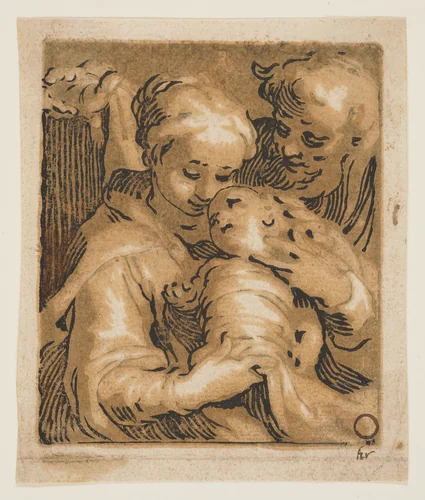
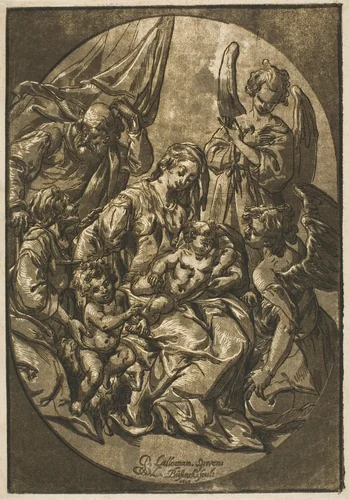
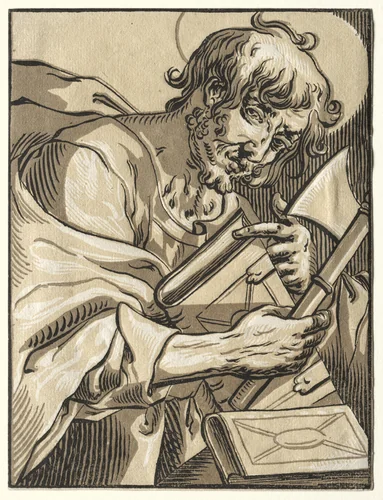
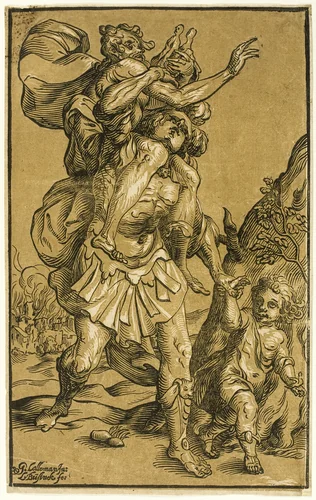
Büsinck’s period of greatest activity was centered in the French capital between 1623 and 1630. It was here that he produced his defining series of multi-block woodcuts. The chiaroscuro method, requiring several precisely aligned blocks inked in differing tones, allows for subtle gradations of light and shadow that emulate the effects of wash drawings or watercolor sketches. This highly demanding technical innovation immediately diversified the aesthetic capabilities of French printmakers, moving beyond traditional monochrome engraving. His surviving output is modest, encompassing only fourteen known prints, yet each work demonstrates an impressive command of dramatic form and classical drapery appropriate for the burgeoning Baroque sensibility.
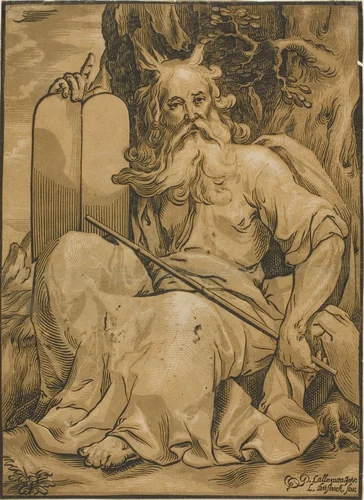
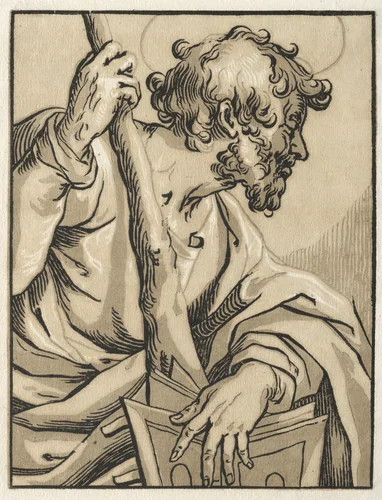
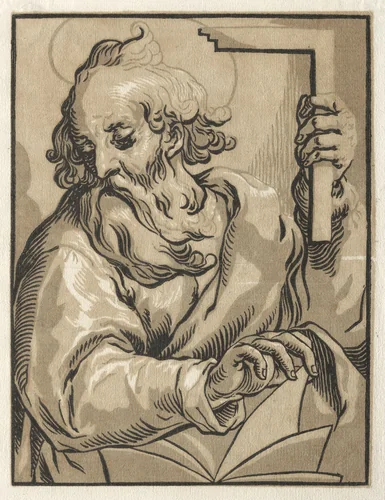
His subject matter focused predominantly on theological figures, aligning with major artistic currents of the period. Cataloged works include powerful, monumental depictions, such as two known versions of Moses with the Tables of the Law, alongside highly individualized portraits from the Apostolic cycle, notably Christ and the Apostles: St. Judas Thaddeus (with the Club). His meticulous attention to classical physiognomy is evident even in smaller devotional pieces like St Jerome.
It is perhaps a minor but telling indication of his cross-border practice that his name often appears in historical records with inconsistent orthography, sometimes spelled "Buesinck," reflecting the fluid nature of artistic identity in early modern Europe. Today, the enduring quality of Ludolph Büsinck prints ensures their significance for scholars of Baroque media. Held in major institutional collections, including the Art Institute of Chicago and the Cleveland Museum of Art, these works are frequently found as high-quality prints available through public domain initiatives, ensuring his influential contribution to French print history remains accessible.
Source: Wikipedia · CC BY-SA 4.0