Ludolf Backhuysen
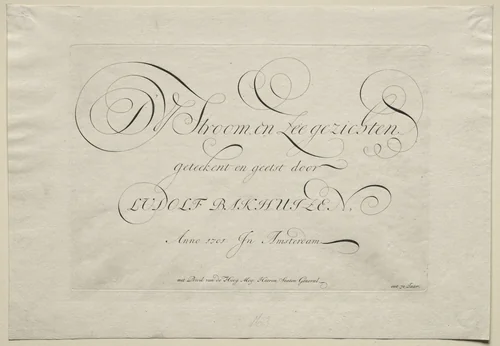
Ludolf Backhuysen (1630-1708), a German native who permanently settled in Amsterdam, stands as the preeminent Dutch marine painter, draughtsman, calligrapher, and printmaker of the late seventeenth century. His career dramatically shifted following the departure of the foremost specialists in the field, Willem van de Velde the Elder and Younger, who relocated to England in 1672. This exodus immediately positioned Backhuysen as the leading figure in maritime subjects, a role he fulfilled with technical brilliance and dramatic force for over three decades.
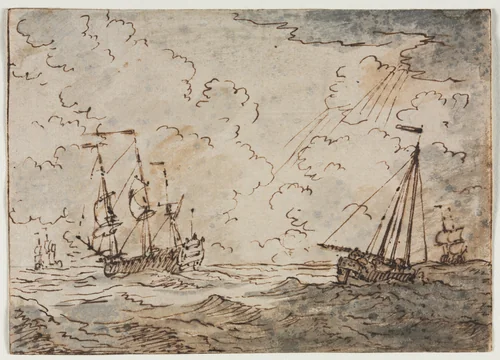
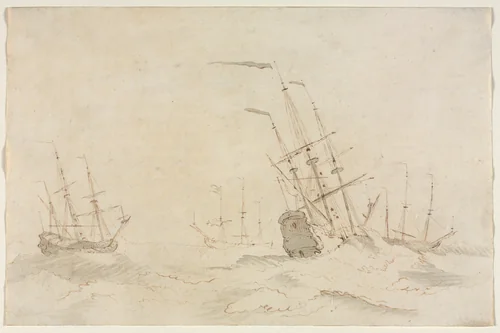
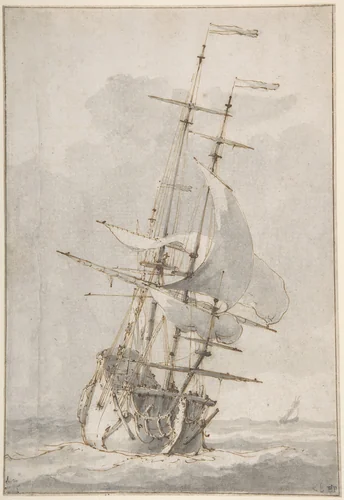
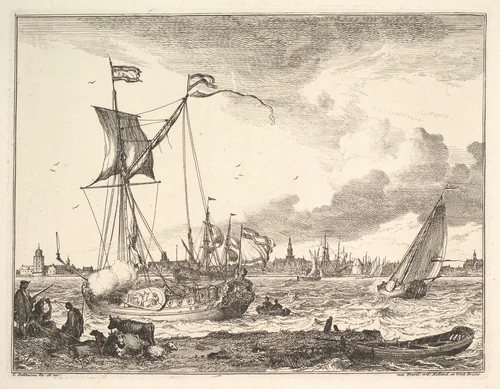
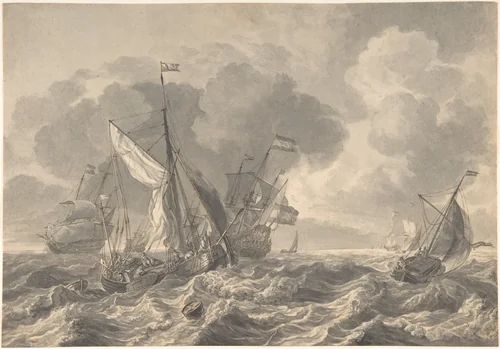
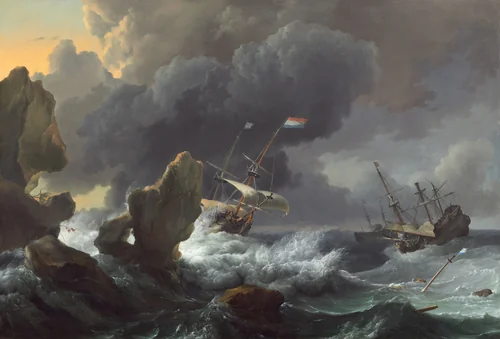
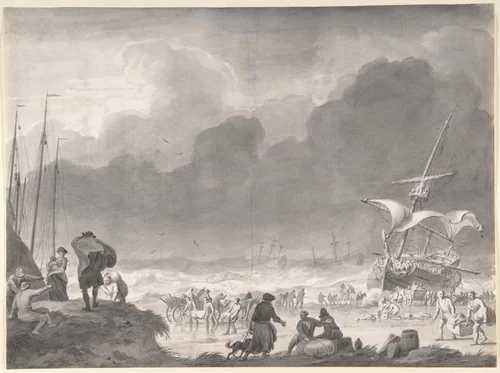
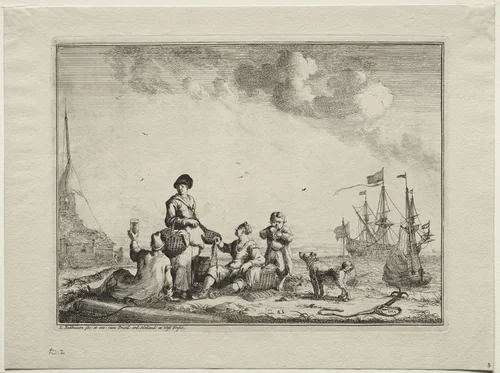
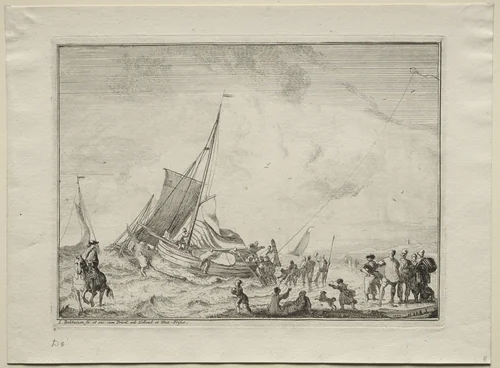
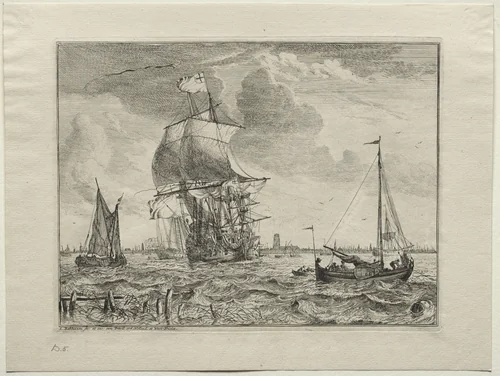
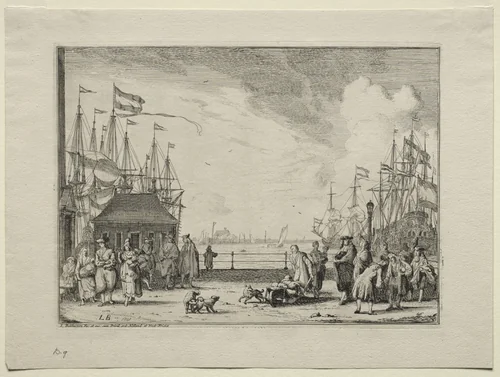
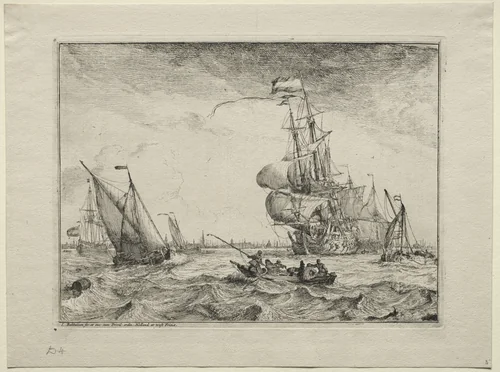
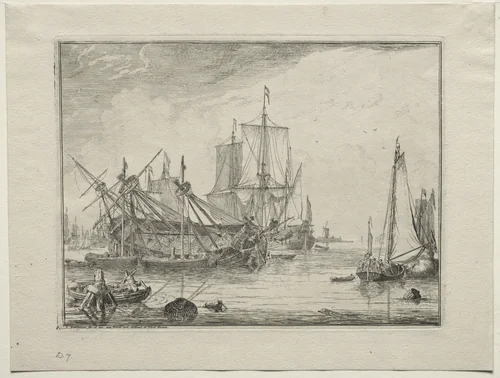
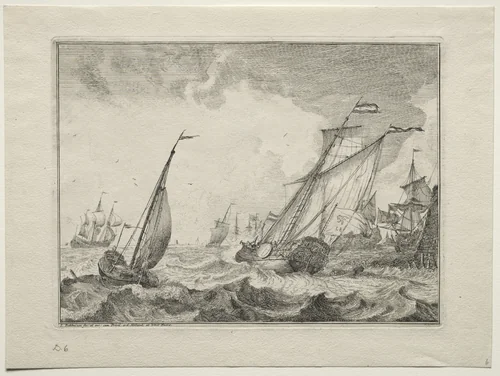
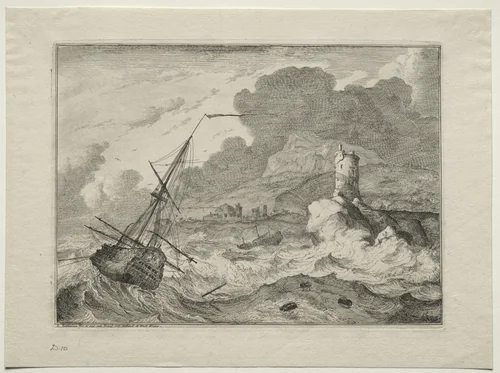
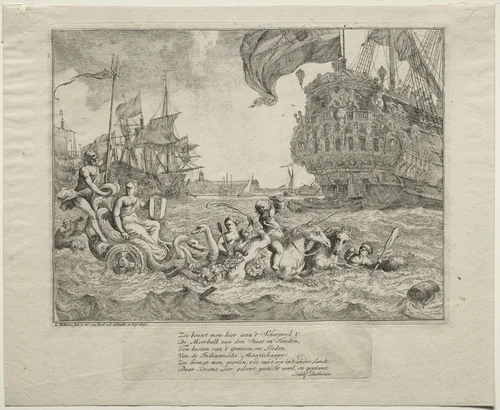
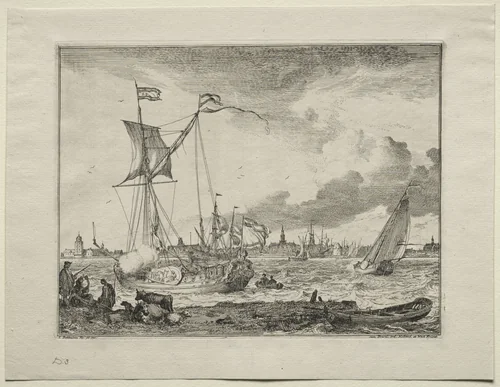
Though he initially earned his living primarily through calligraphy, his keen eye and rapid acquisition of painting skills quickly translated into a mastery of naval and coastal depiction. Backhuysen moved beyond simply cataloging vessels; his focus was the dynamic, often perilous, relationship between the ship and the raw, kinetic energy of the North Sea. His compositions, distinct from the calmer portrayals favored by his predecessors, are characterized by dramatic lighting, churning water, and palpable atmospheric tension. Works such as Ships in a Stormy Sea and Harbor Scene illustrate his dedication to depicting volatile weather and high drama, capturing the reality of Dutch dependence on, and vulnerability to, the sea. His commitment to authenticity was notable; he often risked hiring boats to take him into rough weather to study the conditions firsthand, imbuing his Ludolf Backhuysen paintings with an unusual sense of immediacy and movement.
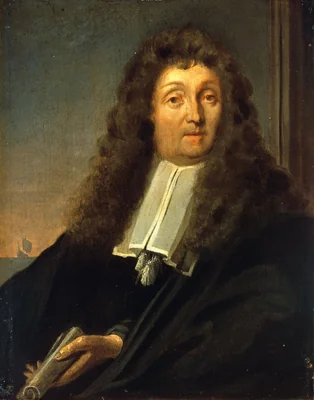
While internationally celebrated for his powerful seascapes, Backhuysen also maintained a varied practice, producing highly competent, intimate portraits of his family and social circle, demonstrating versatility beyond the maritime setting. His legacy is secured by his powerful depiction of the Dutch Golden Age at its zenith, documenting a society defined by global trade and naval power. Today, the foundational nature of his contributions means that his works are housed in major international repositories, including the Metropolitan Museum of Art and the National Gallery of Art. High-quality prints of his influential compositions are now widely accessible as downloadable artwork through institutional digitization projects, ensuring that his dramatic vision remains central to the study of seventeenth-century Dutch art.
Source: Wikipedia · CC BY-SA 4.0