Lucien Pissarro
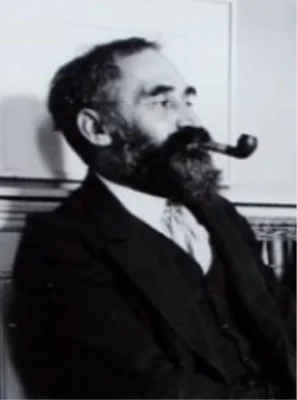
Lucien Pissarro (1863-1944) established a significant, if often understated, artistic identity across multiple disciplines, linking the traditions of major French painting movements with the burgeoning craft of fine press printing. As the eldest son of the influential Impressionist master Camille Pissarro, he initially employed techniques rooted firmly in Impressionism, capturing the effects of light in his numerous landscape studies. However, his evolving aesthetic led him to embrace the more structured methodology and disciplined color theory of Neo-Impressionism.
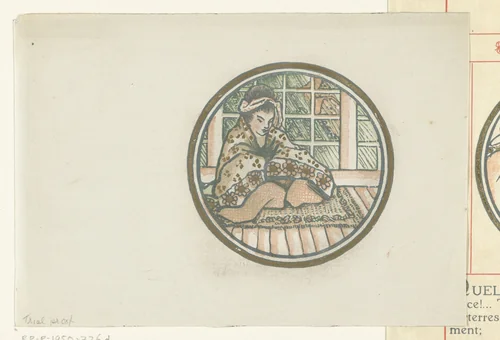
Pissarro’s career was defined by this elegant synthesis of painting and the graphic arts. Though renowned primarily for his landscapes, he also produced intimate subject matter, including still lifes and penetrating family portraits. Works from this period, such as Zittende vrouw and Meisje appels plukkend, reveal a deep commitment to naturalistic observation. Critically, his standing among leading European innovators was confirmed by his association with the Brussels-based avant-garde group Les XX (The Twenty), where he exhibited alongside other pioneers.
Beyond the canvas, Pissarro excelled as a wood engraver, designer, and master printer. He actively managed the production of fine books, treating the art of typography, illustration, and binding with the same rigorous artistic attention he applied to a depiction of light across a field. His early work as a printmaker includes series like Zes vogels and the illustrative set Illustration 25: La Ronde.
Until 1890, Pissarro’s activity centered in France, but thereafter he relocated and was based predominantly in Great Britain, a shift which allowed his dedication to high-quality prints to fully flourish. His ability to work across media ensured his continued relevance and confirmed his role as a pivotal figure in early modern design. Today, the legacy of Lucien Pissarro paintings and prints is maintained through substantial holdings in major international collections, including the Rijksmuseum, the Art Institute of Chicago, and the Cleveland Museum of Art. For modern study and appreciation, many of his graphic works are now in the public domain, offering researchers access to downloadable artwork for academic and educational purposes.
Source: Wikipedia · CC BY-SA 4.0