Lucian Bernhard
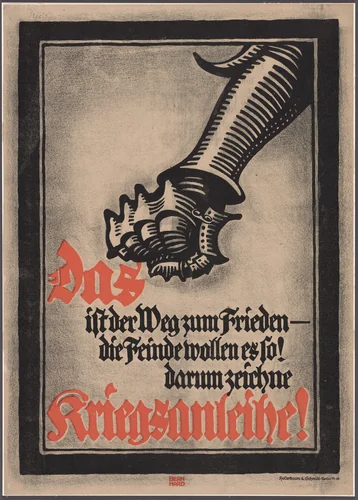
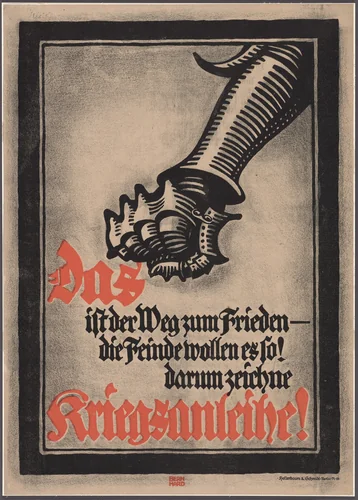
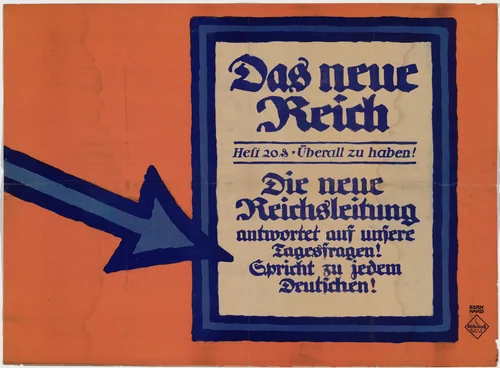
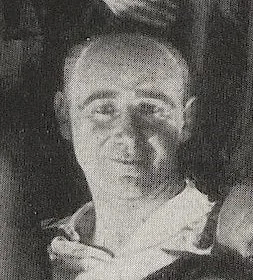
Lucian Bernhard (1883-1972) was a pivotal figure in 20th-century German visual culture, operating simultaneously as a graphic designer, type designer, interior designer, and professor. His primary historical impact stems from his revolutionary approach to advertising art, which established the Sachplakat, or Object Poster, style. Active in the early decades of the century, Bernhard essentially redefined the commercial poster, transforming it from an ornate illustrative medium into a powerful, minimalist statement.
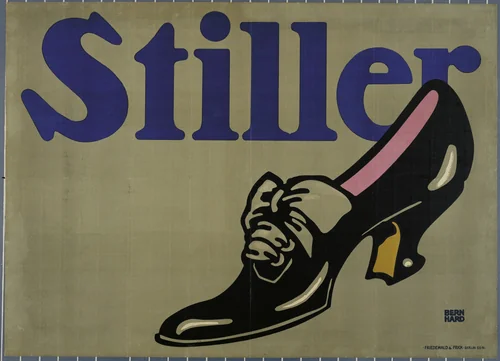
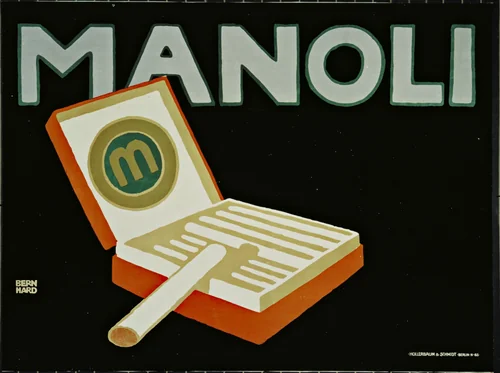
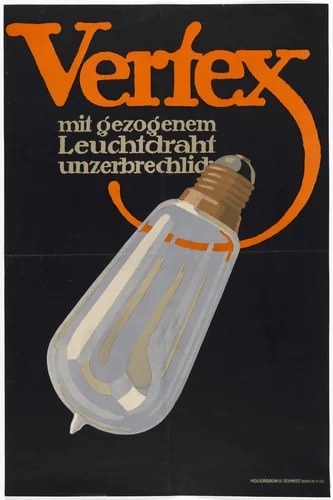
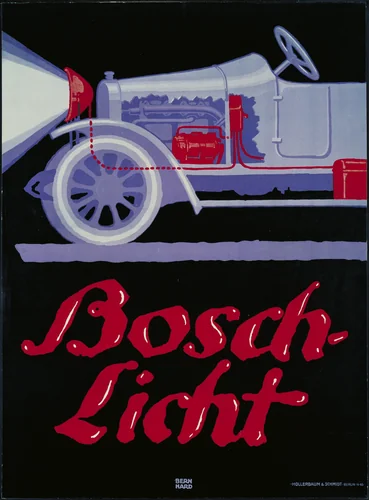
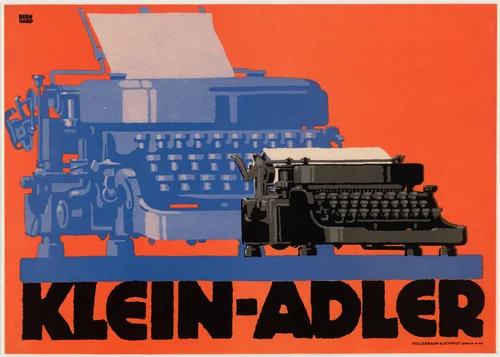
Rejecting the highly ornamental complexity of preceding Art Nouveau and Jugendstil graphics, Bernhard introduced an aggressive minimalism focused acutely on the product itself. His core method was strikingly simple: reduce the design to a bold, isolated image of the merchandise and the brand name, set against a flat, monochromatic background. This severe reductionism, first evidenced in his early successes, established that clarity demanded sacrifice. Designs like Stiller and the indelible posters for Manoli codified this new approach, stripping away everything extraneous until only the essential visual idea remained.
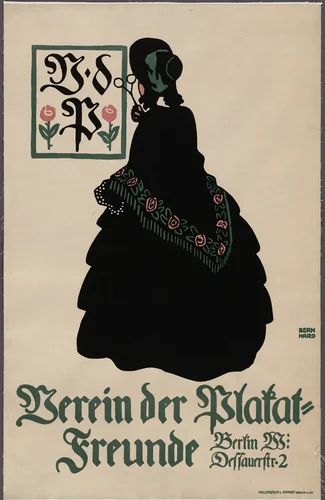
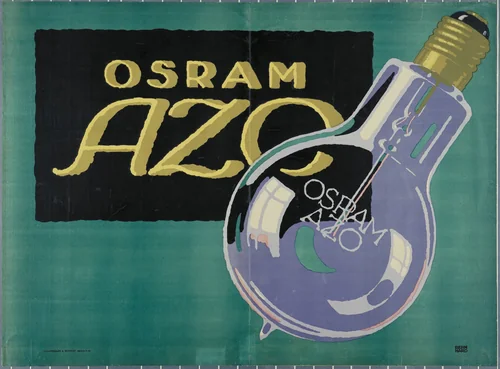
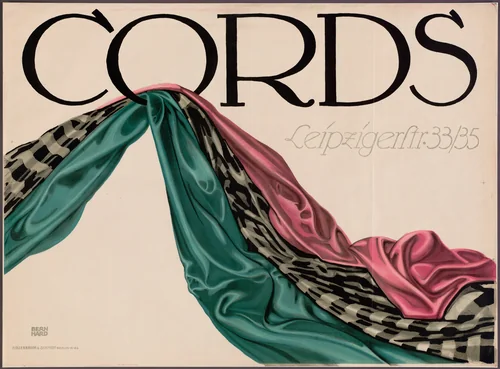
Bernhard demonstrated a sharp commercial wit; he recognized that the most immediate and successful advertisement often had the least to say. His powerful designs for products like Osram Azo and Cords are exemplary studies in how negative space and reduced color palettes could elevate the product to an almost symbolic, iconic status. He also actively supported the graphic arts community through designs such as Verein der Plakatfreunde (Association of Poster Friends).
Bernhard’s influence extended well beyond commercial posters. He was a prolific type designer, creating iconic alphabets that echoed the clean linearity of his graphic work, further cementing his status as a foundational modern designer. Today, examples of his commanding visual legacy are held in major institutions worldwide, including the Museum of Modern Art. Though many originals are now considered museum-quality rarities, much of his foundational work, including early Lucian Bernhard prints, has entered the public domain, making high-quality prints of these seminal designs accessible to scholars and admirers globally.
Source: Wikipedia · CC BY-SA 4.0