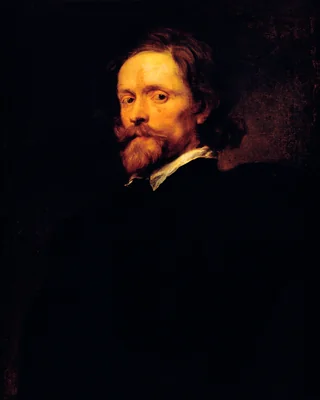
Lucas Vorsterman
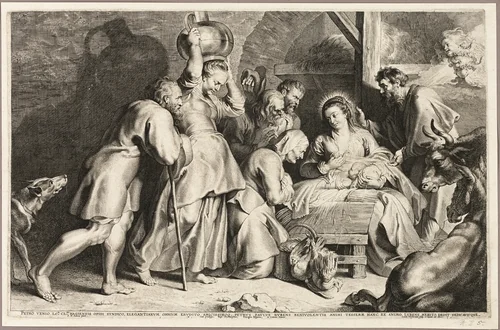
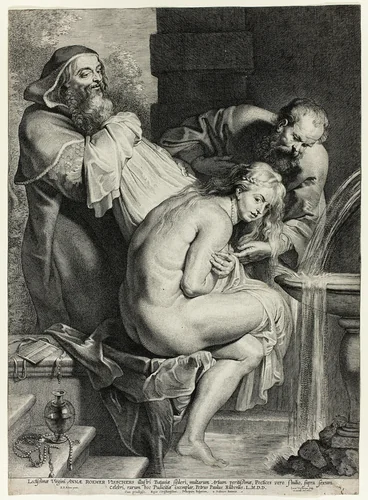
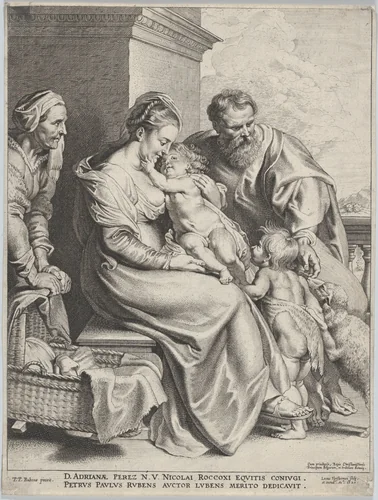
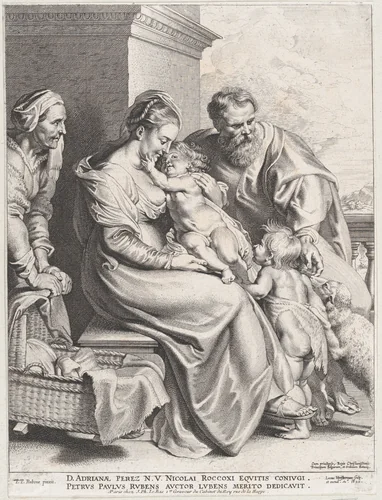
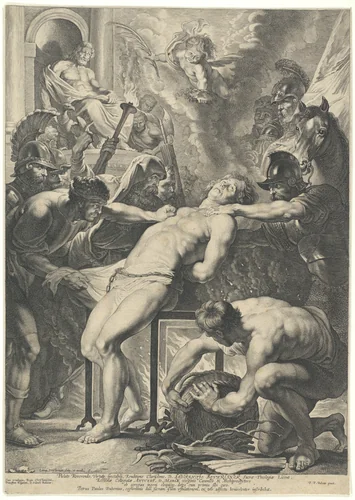
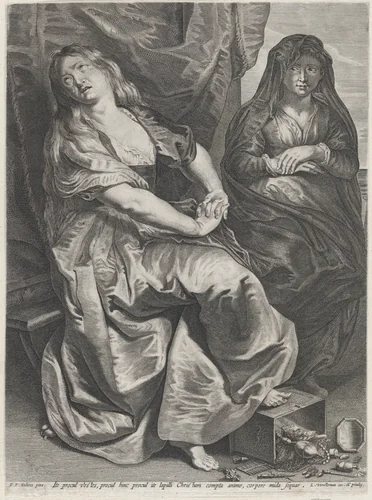
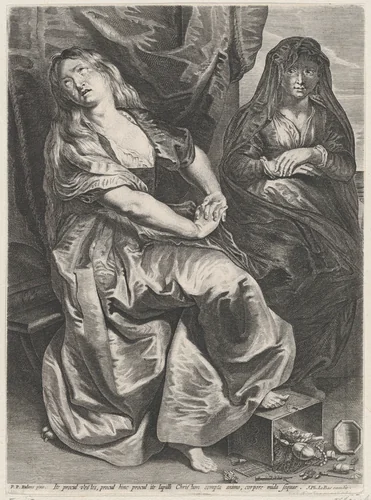
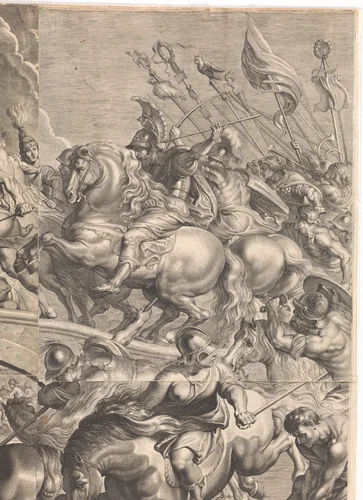
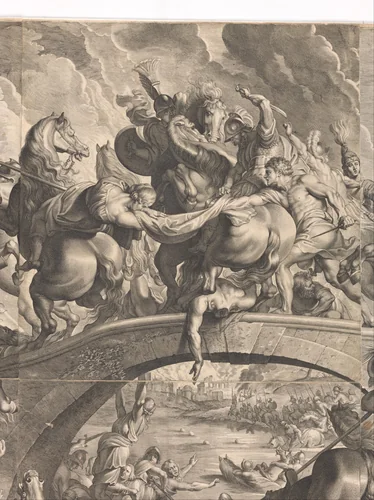
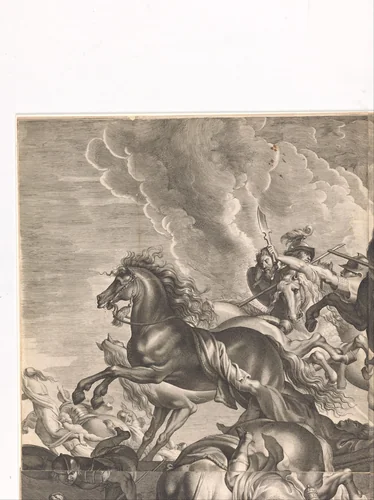
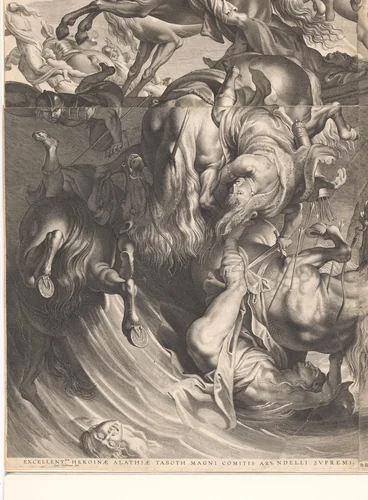
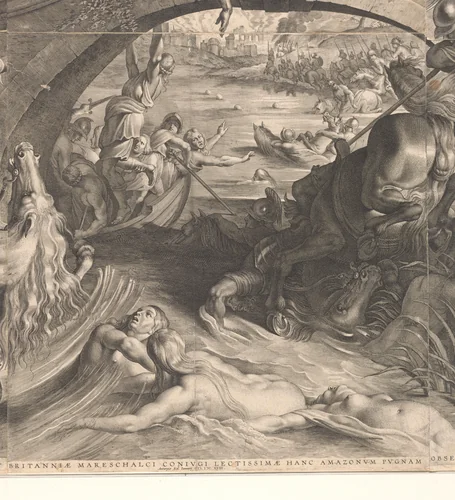
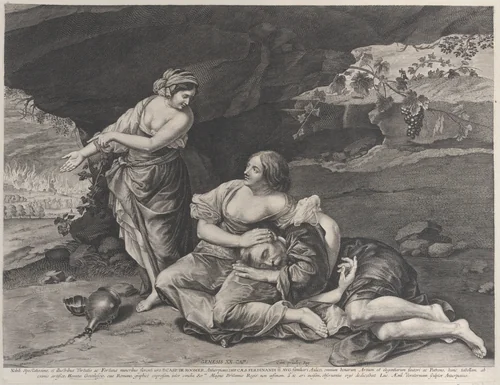
Lucas Vorsterman (1595–1675) was a central figure in the flourishing world of Baroque reproductive printmaking, whose exceptional technical skill ensured the widespread fame of his contemporaries. Active primarily in the early 17th century, the Flemish engraver’s career trajectory was inextricably linked to the region’s two greatest masters, Peter Paul Rubens and Anthony van Dyck. Vorsterman served as the principal interpreter of their grand designs, translating the speed and complexity of Rubens’s oil sketches and paintings into the precise, durable medium of the engraved plate.
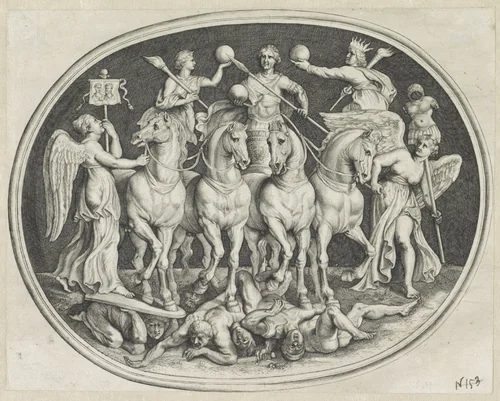
Vorsterman’s facility lay not simply in reproduction but in interpretation, rendering the texture and dynamic movement of brushwork through the controlled vocabulary of the burin. This mastery of line-work established him as the crucial link between the private studio production of the great painters and the public consumption of their iconography across Europe. This led to high-profile international patronage from discerning collectors, including Thomas Howard, 21st Earl of Arundel, and King Charles I of England, demonstrating the era’s high regard for museum-quality engraved reproductions. Through these commissions, Vorsterman helped solidify the aesthetic standards of the continental Baroque.
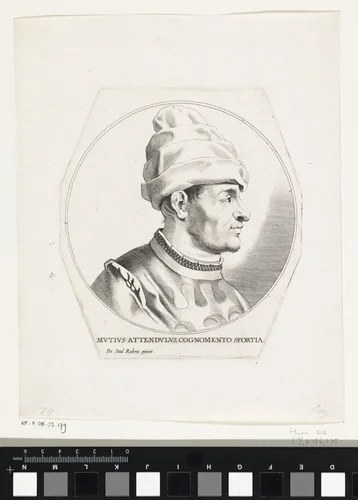
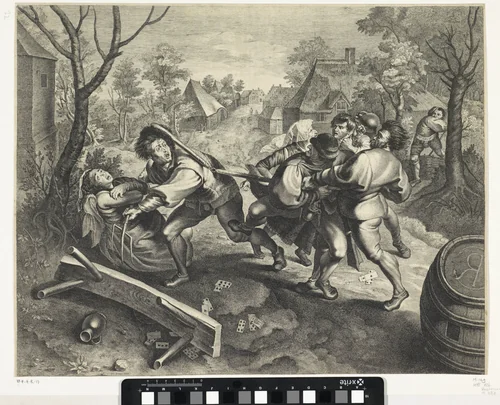
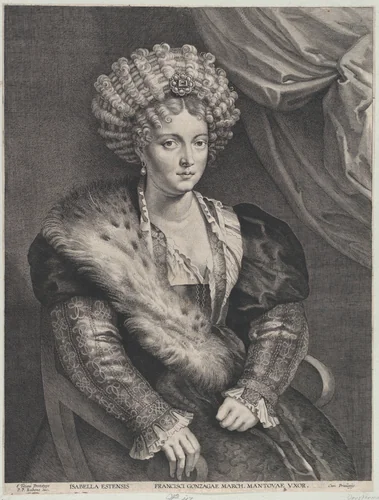
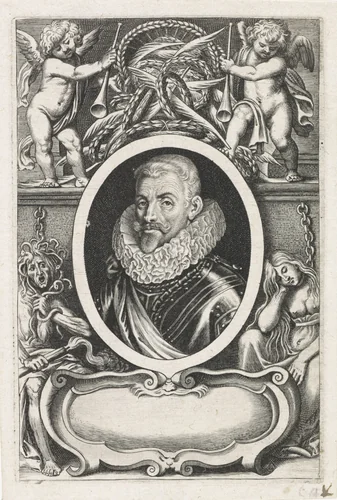
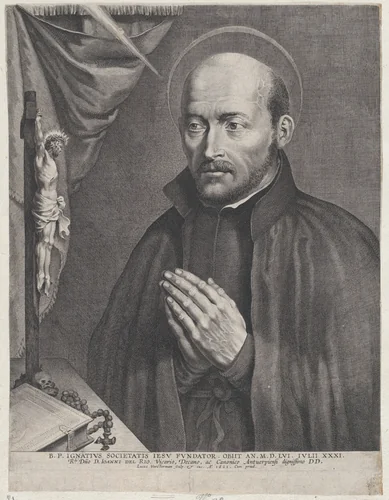
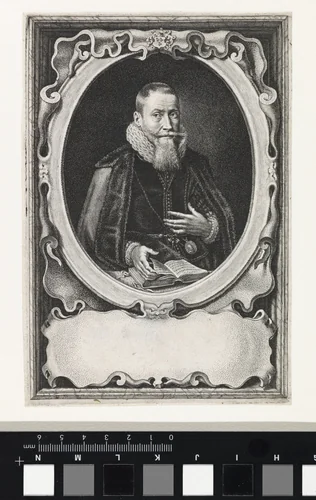
His extensive output includes monumental portraiture and compelling genre scenes. Vorsterman created enduring historical records, such as his stark portrayal of the military commander Johann Tzerklas, Count of Tilly, alongside important works documenting the Medici dynasty, including Portrait of Cosimo I de' Medici and Portrait of Lorenzo de' Medici. However, his repertoire also encompassed moments of unvarnished daily life, captured with an unexpected realism in works like A Peasant Yawning and the energetic conflict of Peasants Fighting over a Game of Cards. His ability to oscillate successfully between the formality of statecraft and the immediacy of common human observation suggests an eye that, while proficiently translating the heroic visions of his peers, deeply appreciated the quieter drama of the unposed subject.
Much of his catalog, celebrated for its technical excellence, remains available in major international collections such as the Metropolitan Museum of Art and the National Gallery of Art. The accessibility of these Lucas Vorsterman prints today, often existing in the public domain, continues to define the visual record of the 17th-century Flanders art scene.
Source: Wikipedia · CC BY-SA 4.0