Lucas Vorsterman II
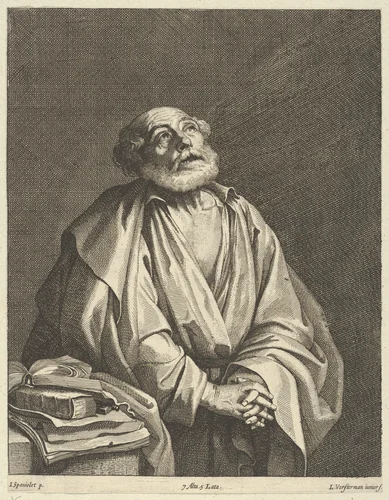
Lucas Vorsterman II (c. 1610-1675), often identified as Lucas Vorsterman the Younger, was a foundational figure in 17th-century Flemish reproductive printmaking, securing his position as both an accomplished engraver and draughtsman during the height of the Baroque period. Operating primarily in Antwerp from 1614 to 1656, his professional objective was the precise translation of oil painting masterworks into reproducible copperplate engravings. This crucial role made him essential to the dissemination of visual culture, allowing the ambitious compositions of his generation’s leading painters to reach a broad European market.
Vorsterman’s output was intrinsically linked to the major publishing houses of Antwerp, creating a symbiotic artistic and commercial relationship that cemented the city’s status as a center for Northern European art distribution. His technical expertise allowed him to capture the nuanced textures and expansive narratives of large canvases within the demanding, linear structure of printmaking. The diversity of his subjects, ranging from court portraiture to mythological allegory, is evidenced by works held in collections like the Metropolitan Museum of Art and the National Gallery of Art.
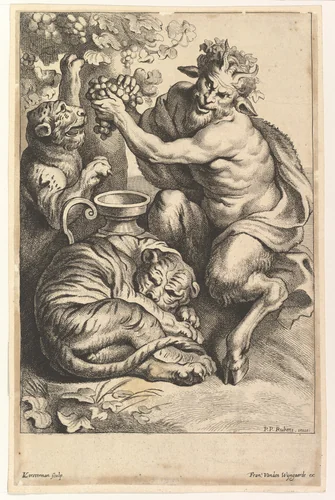
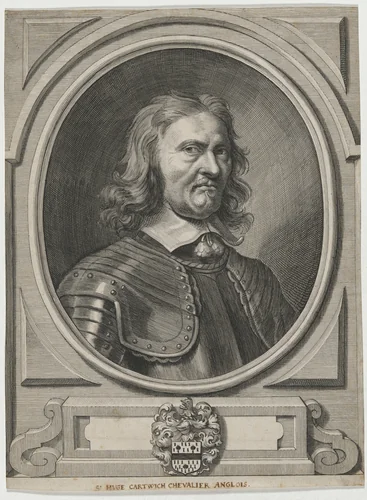
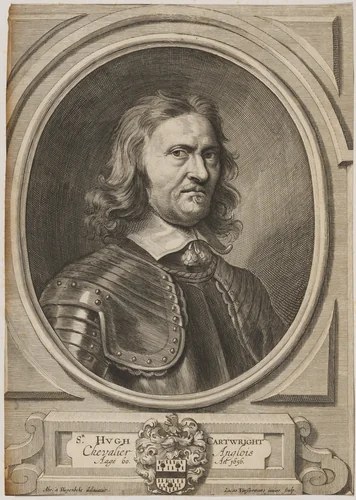
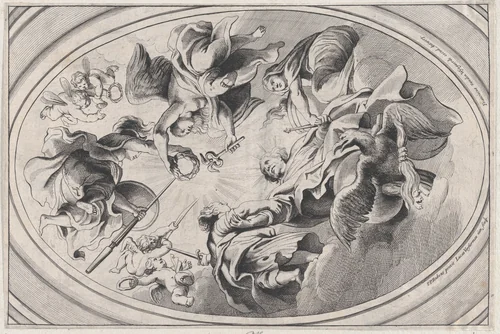
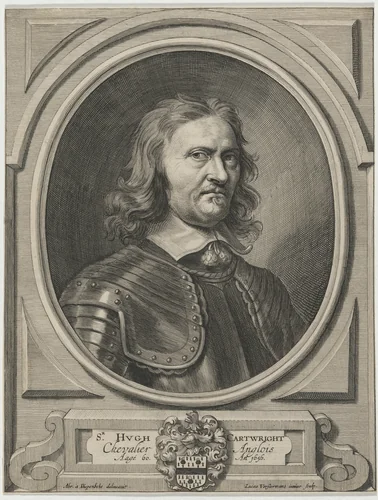
His extant catalogue demonstrates significant versatility, encompassing both deeply classical designs, such as the robust Satyr with Grapes and Two Tigers, and detailed portrait commissions like Sir Hugh Cartwright. Perhaps his most politically charged work is the Apotheosis of James I, a complex piece of state propaganda featuring the deceased monarch seated below an ascending eagle, while putti and angels secure a laurel crown overhead. The sheer allegorical density required in such a commission underlines Vorsterman’s technical command and sophisticated understanding of political iconography.
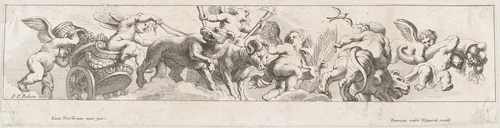
While Vorsterman II often operated in the commercial shadow of the greater painters whose designs he reproduced, his steady hand and commercial acumen were vital components of the Flemish art machine, facilitating the circulation of their work across borders. His decorative series, including the engaging Frieze with putti, some riding a chariot pulled by animals, further showcases his ability to adapt grand historical themes for functional illustrations. Today, the detailed record Vorsterman left behind is often available as downloadable artwork for scholarly study and general appreciation. These historically significant images are now often freely accessible as high-quality prints through public domain initiatives.
Source: Wikipedia · CC BY-SA 4.0