Lucas van Leyden
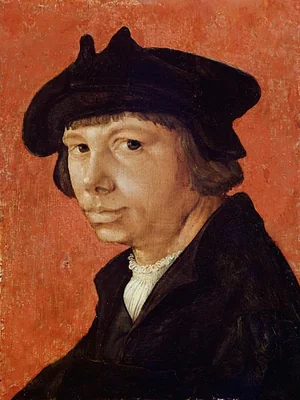
Lucas van Leyden, also known as Lucas Hugensz or Lucas Jacobsz, occupies a pivotal position in the early history of Northern Renaissance art, distinguished by his dual mastery of painting and printmaking. Active from approximately 1489, Leyden achieved international recognition during his lifetime, establishing himself as a formidable exponent of engraving and woodcut, whose technical virtuosity placed him in dialogue with contemporary masters like Albrecht Dürer.
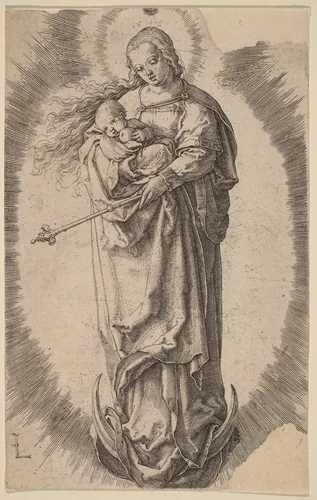
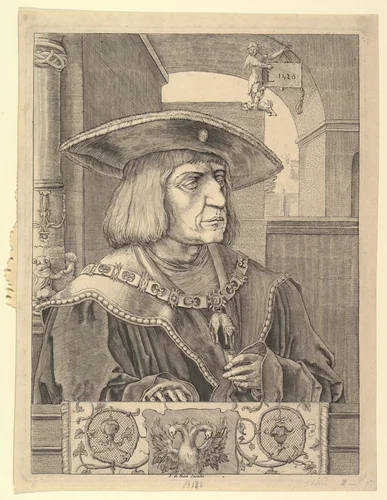
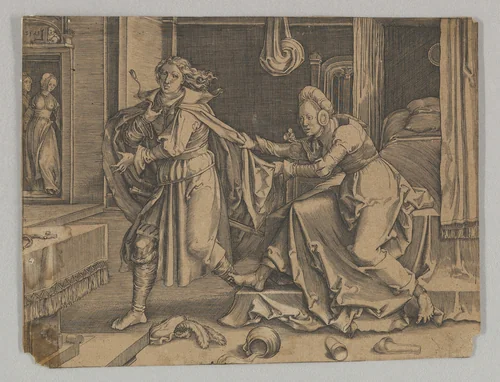
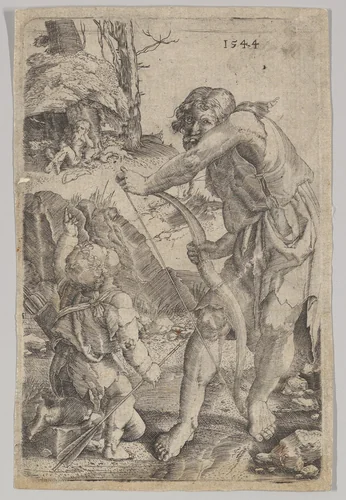
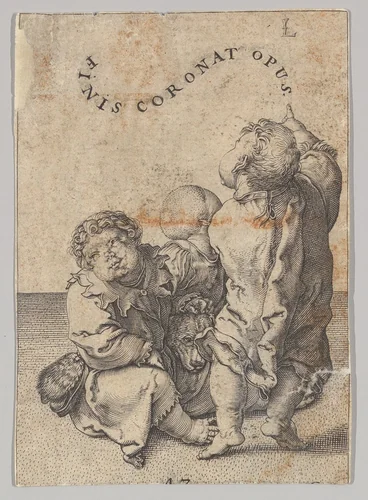
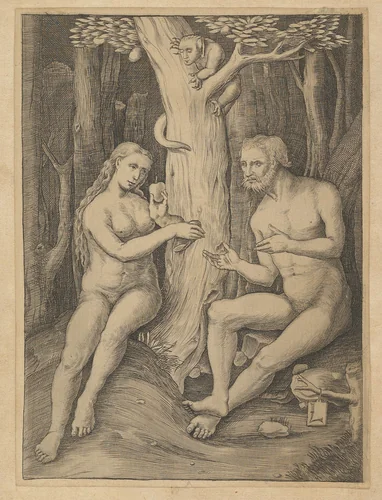
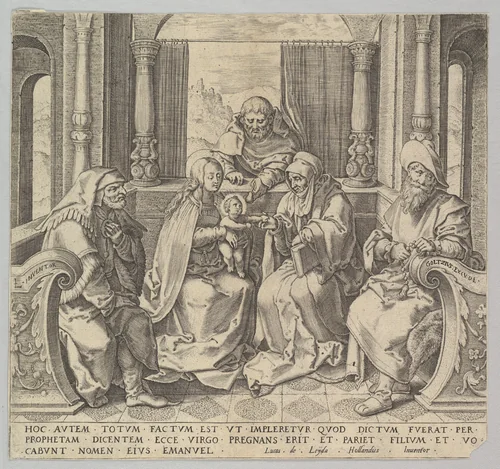
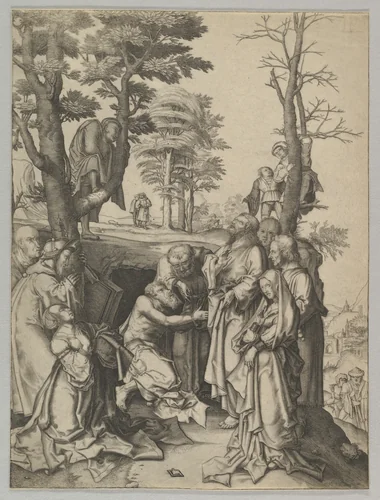
While recognized for his paintings, Leyden’s influence was most profound through his prints. His early work demonstrates a precocious talent for narrative composition, exemplified by detailed biblical scenes such as Adam and Eve. His approach often combined complex figure arrangements with acute attention to environment, setting a precedent for the sophisticated visual storytelling that would characterize Dutch art for centuries.
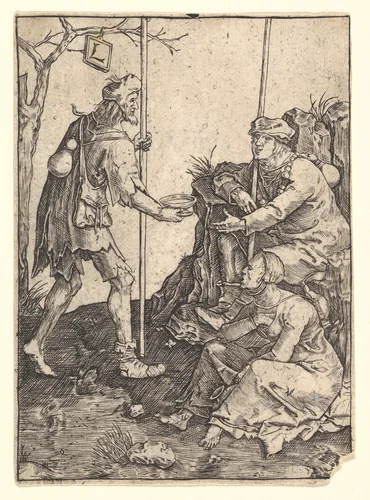
Leyden’s most significant historical contribution lies in his role as one of the earliest Dutch exponents of genre painting. He was among the first artists to infuse his narratives, whether religious or historical, with clear, close observations of everyday life and local custom. This nuanced, proto-genre sensibility marks a crucial transition in artistic focus, anticipating the domestic and secular subjects that would later define the Golden Age. His commitment to depicting the commonplace, executed with a technically brilliant hand, made his compositions accessible and widely reproduced across Europe.
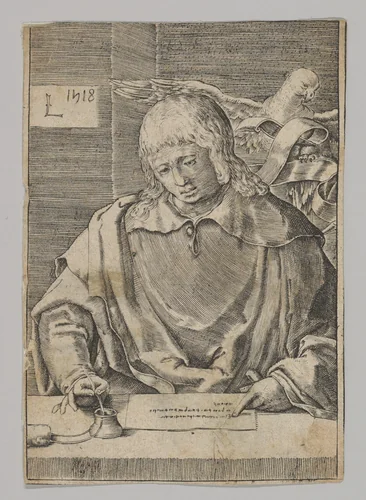
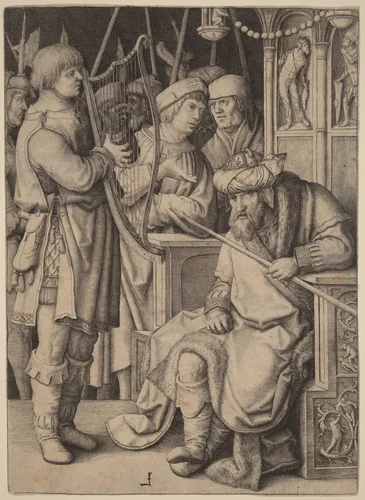
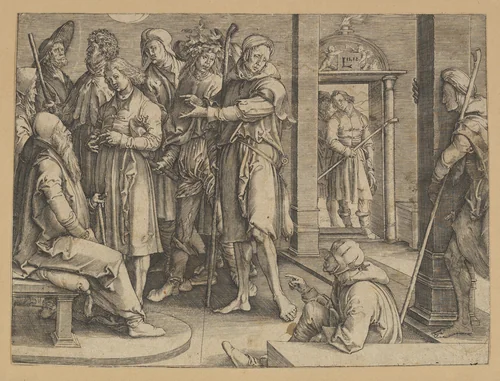
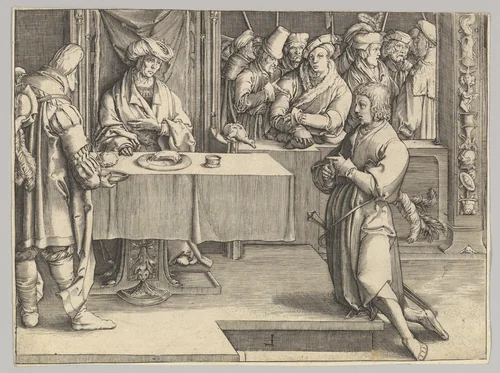
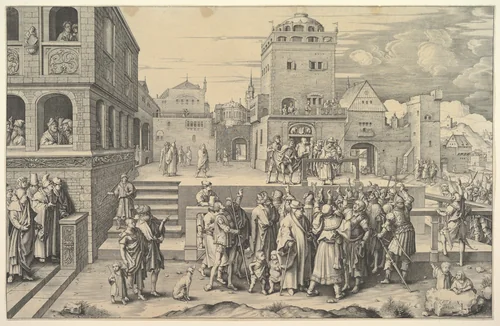
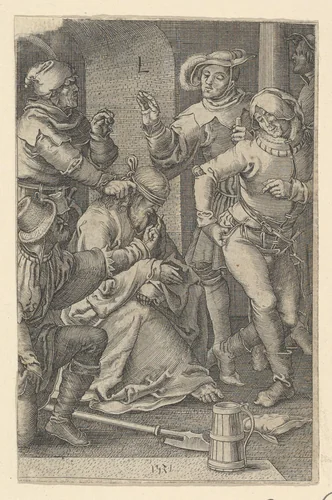
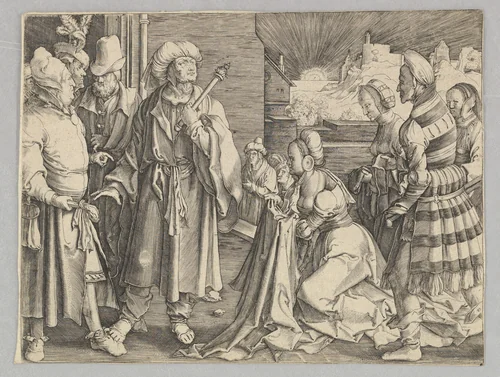
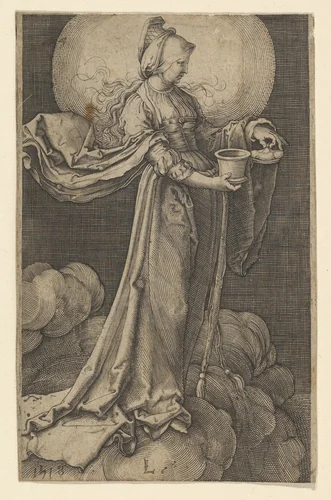
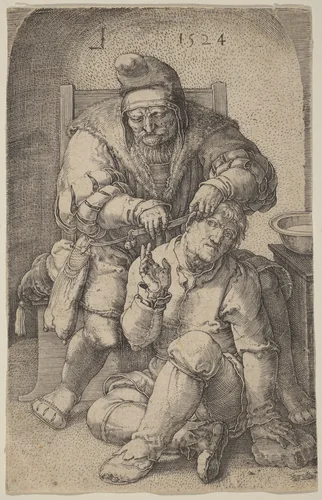
His skill as an engraver provided extraordinary depth and tone. Works like David Playing the Harp before Saul showcase his meticulous handling of the burin, employing subtle cross-hatching to define shadow and mass. Despite a relatively compressed career, Lucas was a legendary figure of early professional maturity, reportedly creating complex, high-quality prints before his fifteenth birthday. Today, his vast catalog of visual narratives, including copies of works such as Joseph Interpreting Pharaoh's dreams, are preserved in global collections including the Metropolitan Museum of Art and the National Gallery of Art. The accessibility of these Lucas van Leyden prints, many now residing in the public domain and available as downloadable artwork, underscores his enduring status as a cornerstone of graphic arts history.
Source: Wikipedia · CC BY-SA 4.0
![The Surgeon [reverse copy] by Lucas van Leyden, print, 1489-1533](https://img.artbee.org/24df080f-db77-4f8a-8268-c1f29ba3f79d/small.webp)