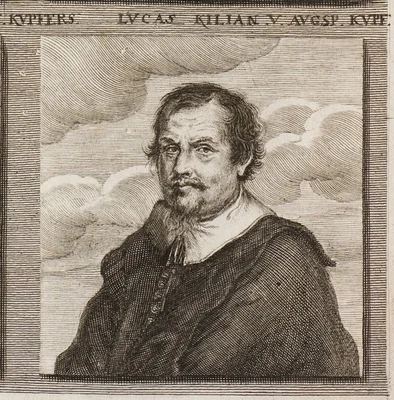
Lucas Kilian
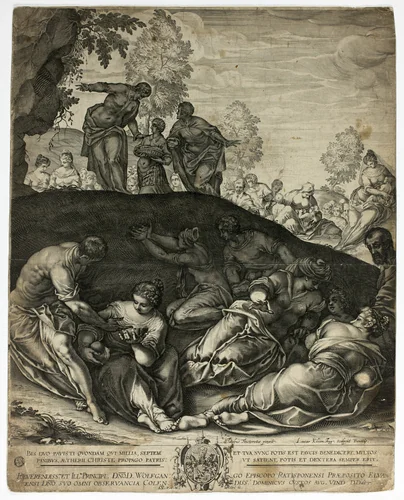
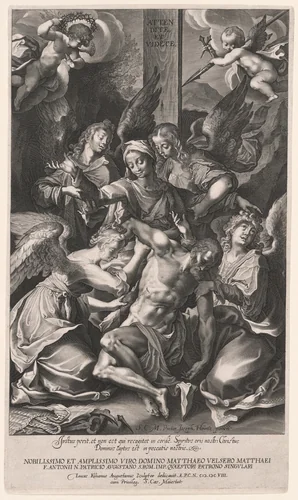
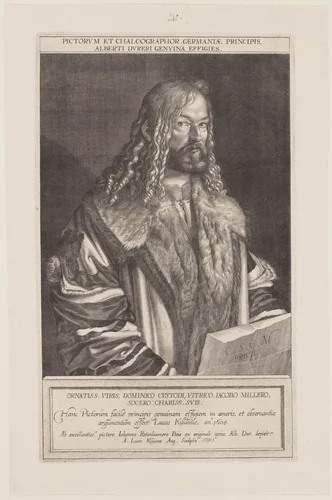
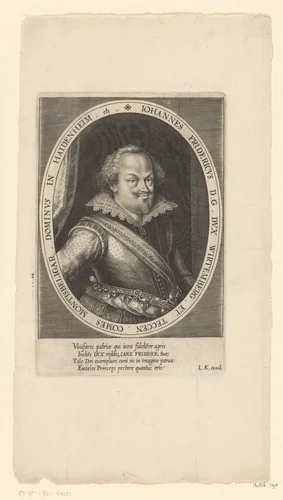
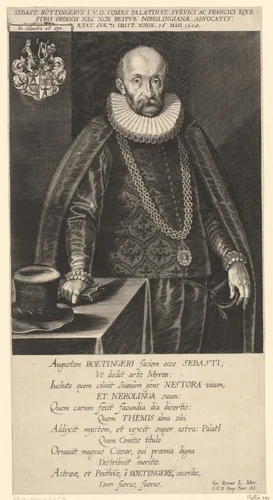
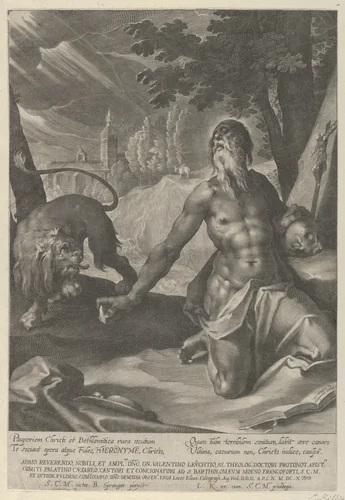
Lucas Kilian (c. 1559-1637) stands as a foundational figure in the history of German printmaking, anchoring the influential Kilian family dynasty of engravers centered in Augsburg. Active particularly during the dynamic period between 1579 and 1589, Kilian specialized in producing exceptionally detailed engravings and etchings, establishing a signature style that merged technical precision with clear-eyed observation. His surviving body of work, comprising approximately fifteen known prints in circulation, reflects the complex cultural demands of late sixteenth-century Central Europe. Key examples of his meticulous draftsmanship, such as The Archangel Michael Defeating Satan, in a Niche, are held in major institutional collections, including the Metropolitan Museum of Art, the National Gallery of Art, and the Rijksmuseum.
Born into an environment steeped in artistic production, Kilian was intimately connected to the powerful network of printmakers operating in Augsburg. His comprehensive training was solidified within the Custos workshop, founded by his stepfather, Dominicus Custos. This apprenticeship was crucial, granting him access not only to sophisticated technical resources but also to lucrative commissions for published works. The professional environment of the Custos shop served as a high-pressure incubator for talent, ensuring that Lucas Kilian prints achieved immediate renown for their execution and clarity.
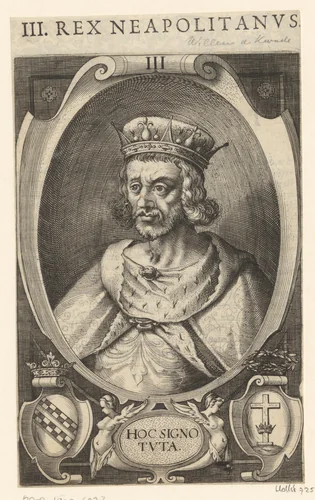
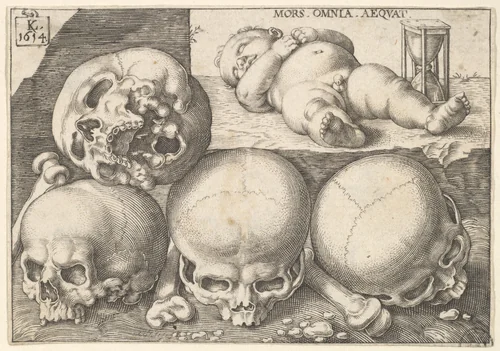
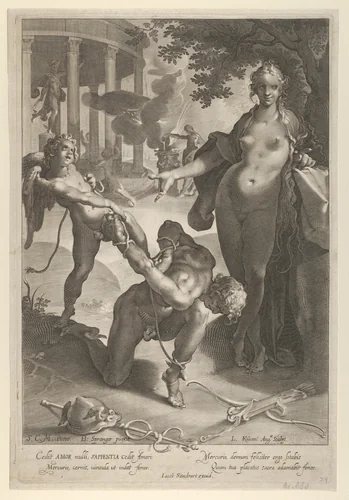
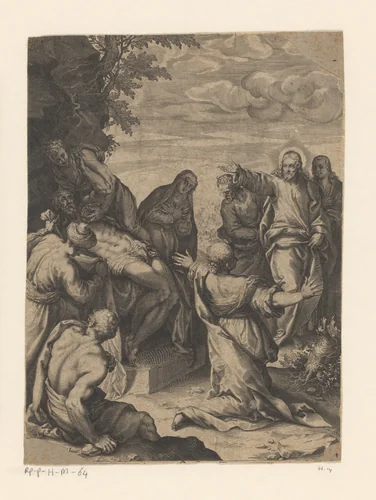
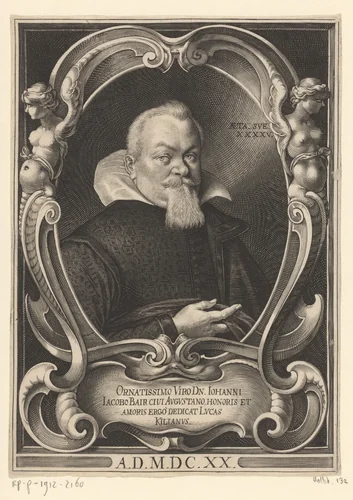
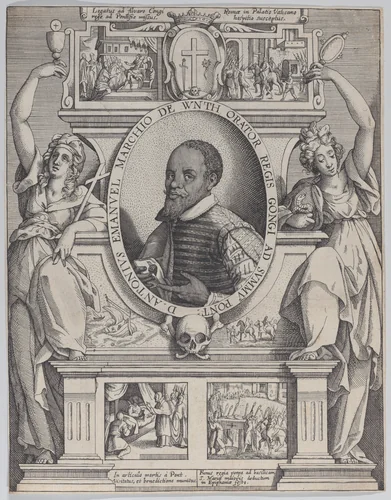
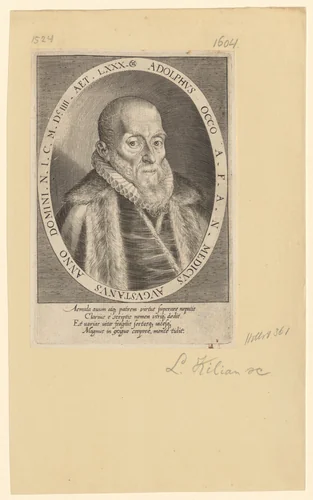
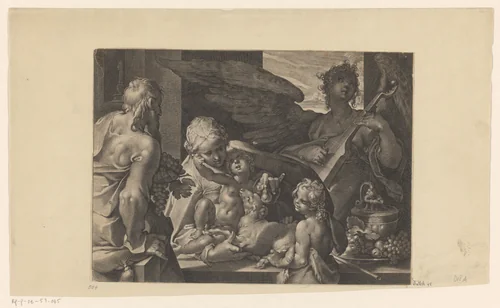
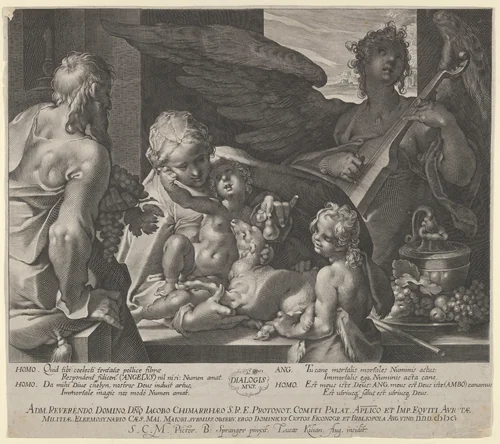
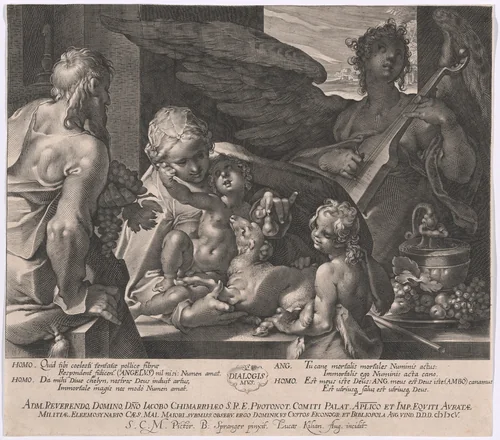
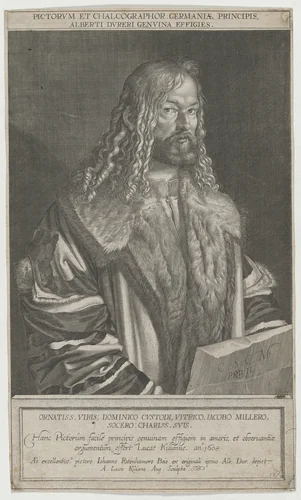
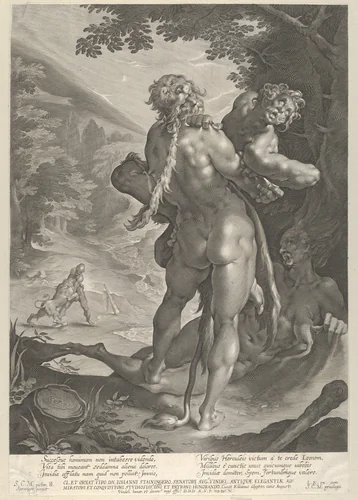
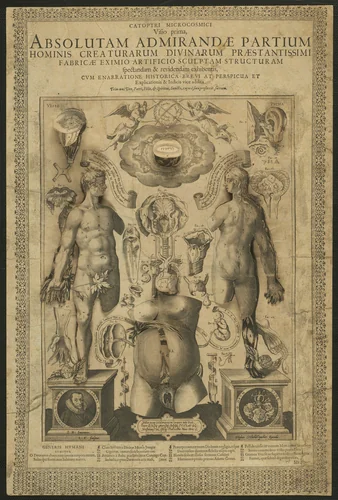
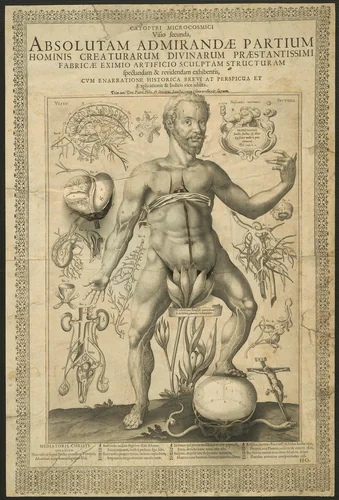
Kilian’s portfolio demonstrates a remarkable versatility, shifting effortlessly between high-status portraiture and complex genre subjects. He excelled at memorializing figures of authority and intellect, producing sensitive renderings like Joachim Ernest, Elector of Brandenburg and Johannes Pistorius, Divine. Yet, the scope of his work extended beyond the conventional biographical function of the portrait. He also tackled mythological compositions and, significantly, detailed anatomical illustrations, catering to the burgeoning scientific market. It is perhaps telling that an artist capable of capturing both the subtle dignity of a divine scholar and the precise musculature of a human torso would find his niche in the exacting medium of engraving. Narrative pieces like Deathbed of a Nun show his ability to manage somber scenes with restrained power.
While the vast majority of Kilian's surviving output exists exclusively as prints, they provide rich documentation of the era's visual culture. These are museum-quality works that retain their sharpness centuries after their creation. Thanks to the careful stewardship of institutions globally, much of Lucas Kilian’s historical output is now in the public domain. This accessibility allows researchers and enthusiasts alike to study his technique, offering high-quality prints and downloadable artwork for educational use, ensuring his precise contribution to the history of engraving remains readily visible today.
Source: Wikipedia · CC BY-SA 4.0