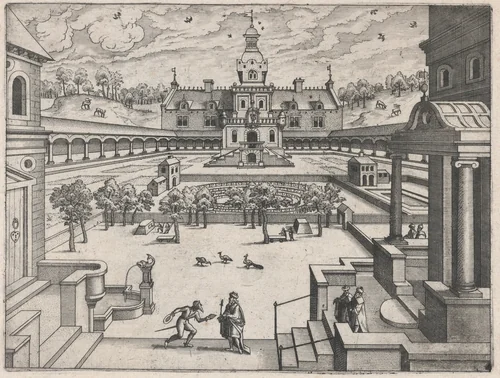
Lucas Gassel
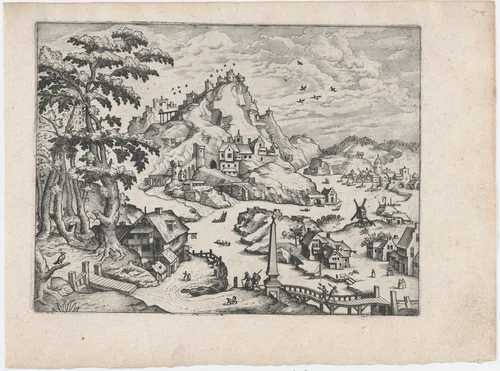
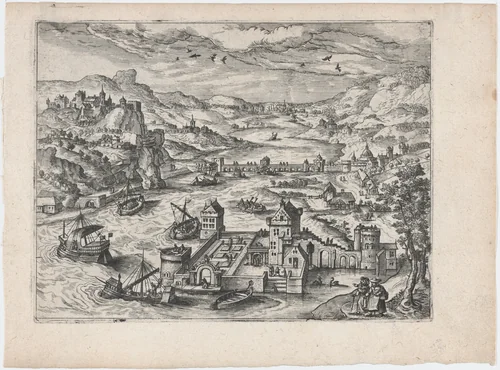
Lucas Gassel stands as a foundational figure in the development of sixteenth-century Flemish landscape painting. Active primarily between 1515 and 1555, Gassel was a highly influential painter and draughtsman who was instrumental in transitioning the landscape genre from a mere backdrop for religious or historical scenes into a powerful subject in its own right. His pioneering efforts helped modernize the existing tradition, anticipating the grand, sweeping vistas that would later define the works of successive generations, including Pieter Bruegel the Elder.
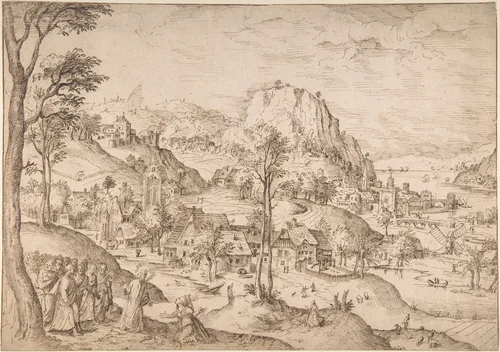
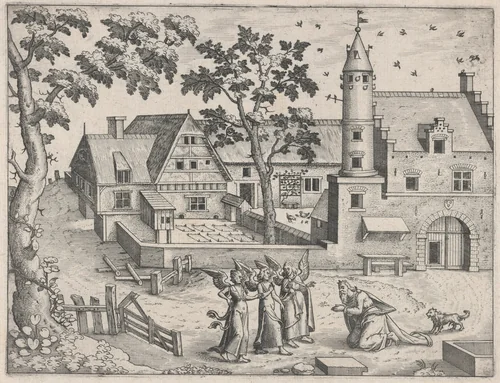
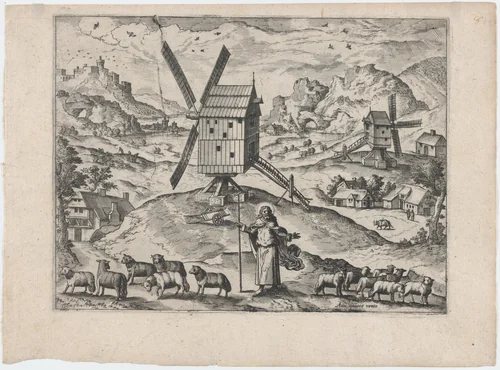
Gassel’s compositions are characterized by their dramatic, elevated viewpoints and theatrical topography. He skillfully merged the intimate, recognizable details of the Low Countries with expansive, often spectacular mountain ranges and distant bodies of water, thereby solidifying the ‘world landscape’ tradition in Northern European art. Works such as Panoramic Mountainous Estuary Landscape, with Christ and the Woman of Canaan exemplify his tendency to minimize the narrative figures, allowing the sprawling natural environment to dominate the composition. Other significant surviving Lucas Gassel paintings, including Landscape with Abraham and Three Angels and Landscape with Windmills and Christ as Good Shepherd, further underscore his mastery of complex spatial arrangements and atmospheric effects.
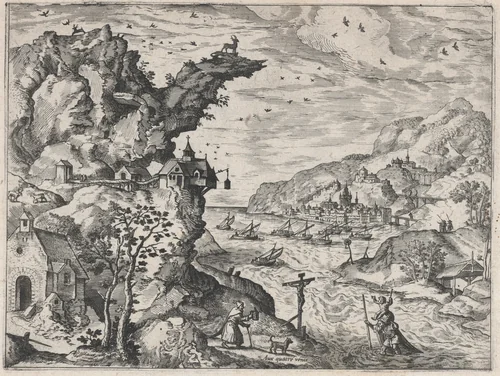
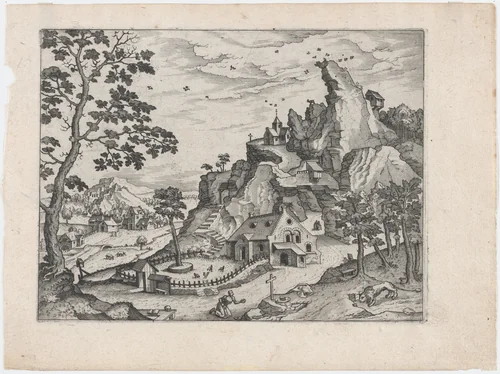
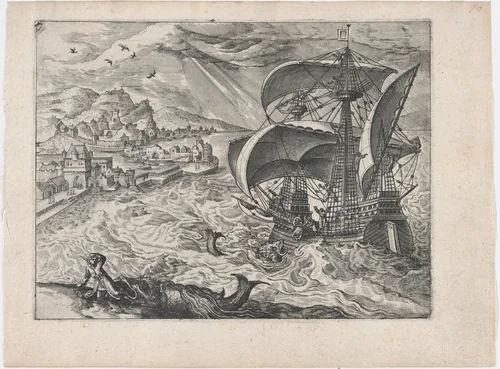
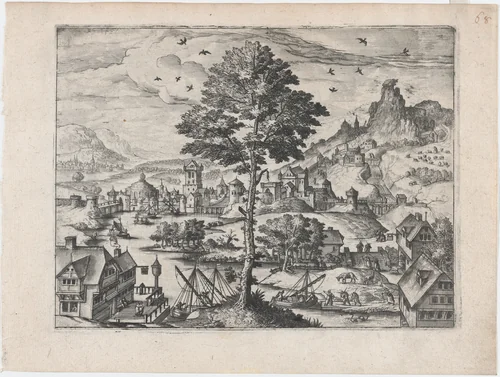
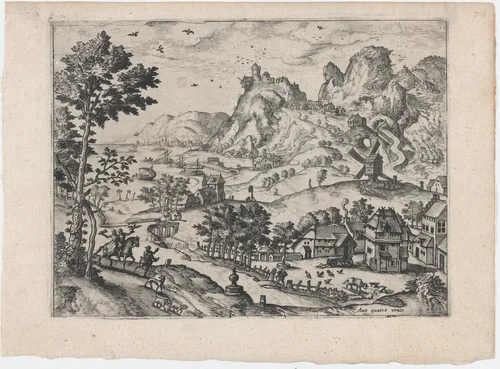
While few original paintings survive, Gassel’s broader influence was widely disseminated through drawing and print design. He collaborated extensively with the prominent Antwerp publisher Hieronymus Cock, an alliance that proved crucial for propagating his inventive compositions across Northern Europe. This partnership ensured that his designs reached a wide audience, establishing standards for museum-quality printmaking. It is perhaps characteristic of the Renaissance reverence for scholarly retreat that even Gassel’s wildest, most imaginary terrains often find room for the meditative figure of Saint Jerome.
Gassel’s contribution to the evolution of landscape art was critical, moving beyond the localized, idealized pastorals of the previous century toward an imaginative, comprehensive view of the world. His designs are held in prestigious collections internationally, including twelve known prints and one drawing in the Metropolitan Museum of Art. Having entered the public domain, many of these influential Lucas Gassel prints are now available as downloadable artwork, allowing researchers and enthusiasts continued access to his detailed, innovative artistry.