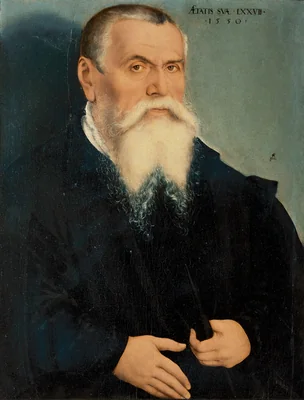
Lucas Cranach
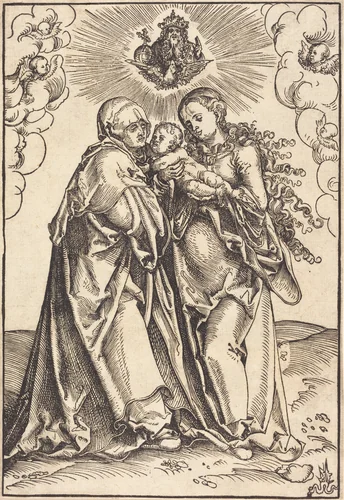
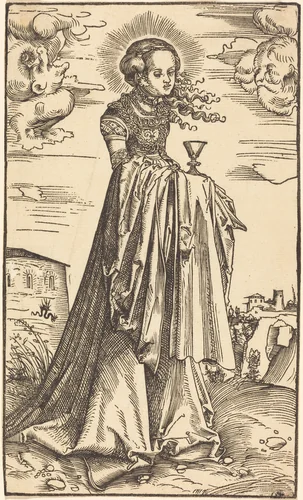
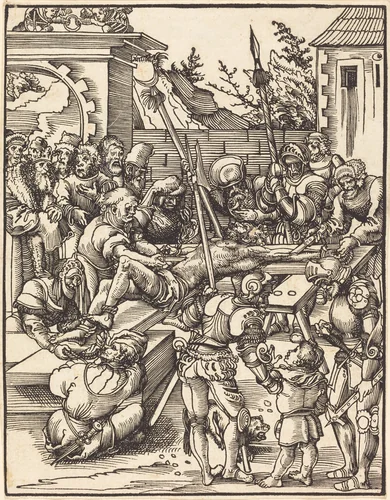
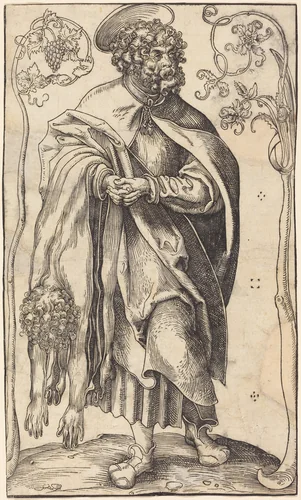
Lucas Cranach is the name synonymous with one of the most successful and enduring dynasties of German Renaissance painting. Centered on the patriarch, Lucas Cranach the Elder (c. 1472-1553), the lineage includes his commercially successful sons, Hans Cranach and Lucas Cranach the Younger (1515-1586), and his grandson, Augustin Cranach. The Cranach workshop operated for nearly a century as a formidable engine of artistic output, defining the visual identity of the German court and the nascent Protestant Reformation.
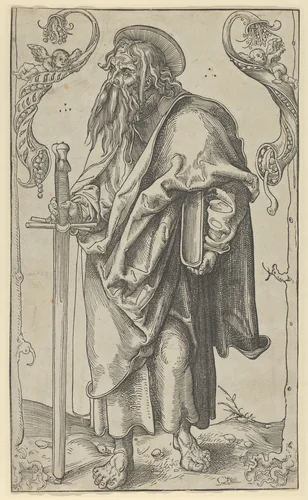
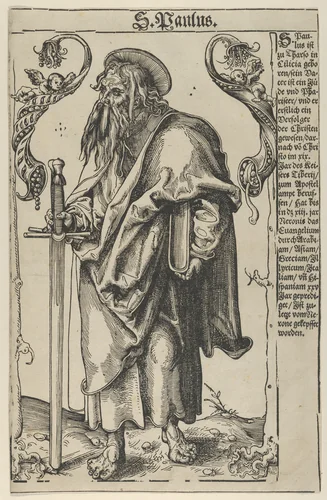
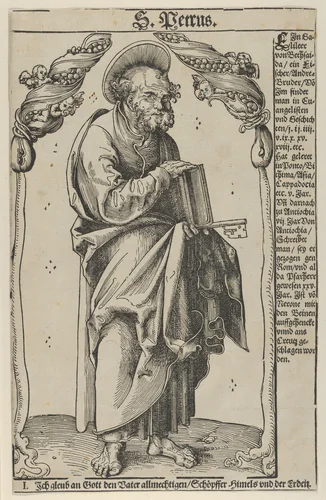
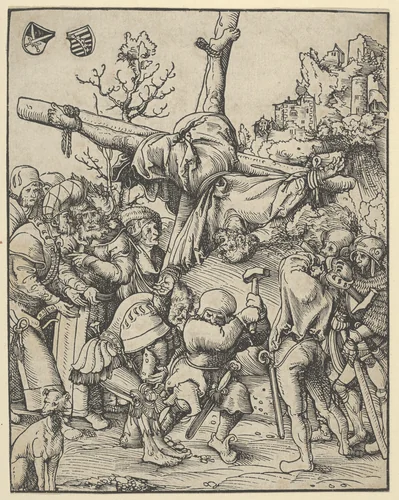
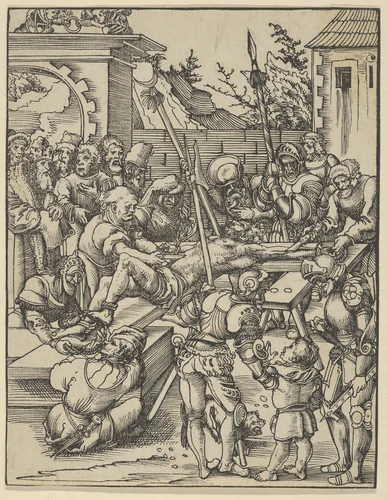
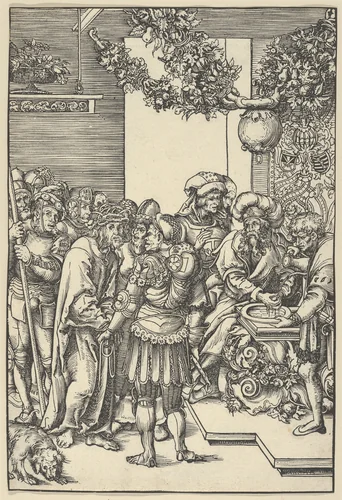
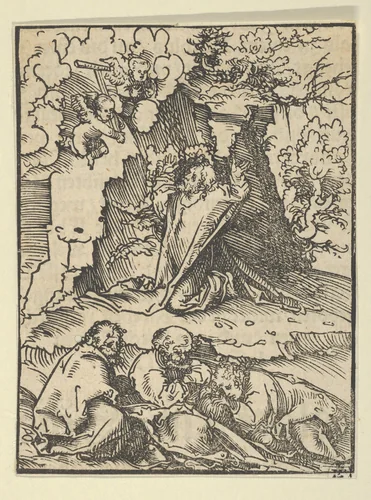
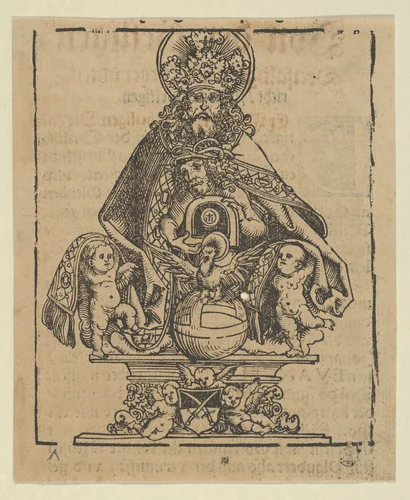
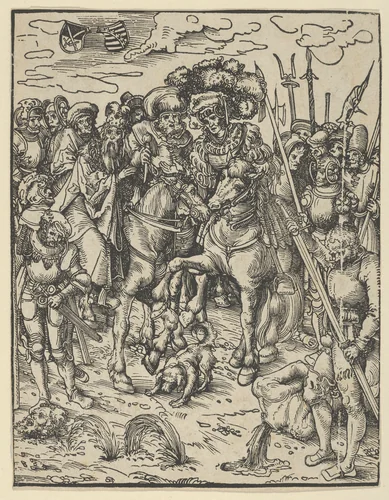
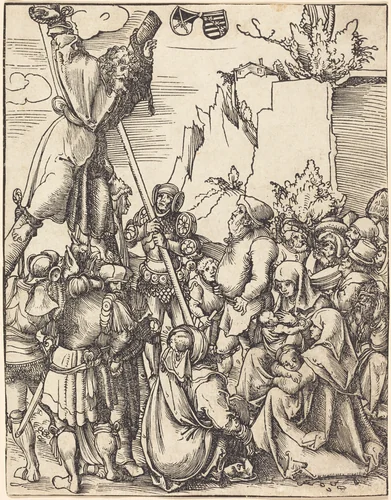
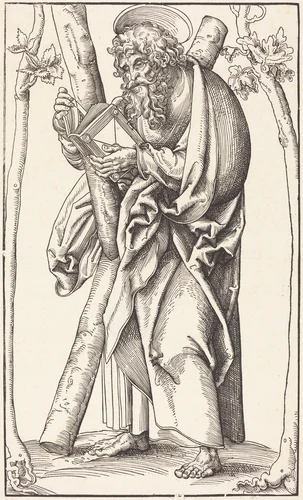
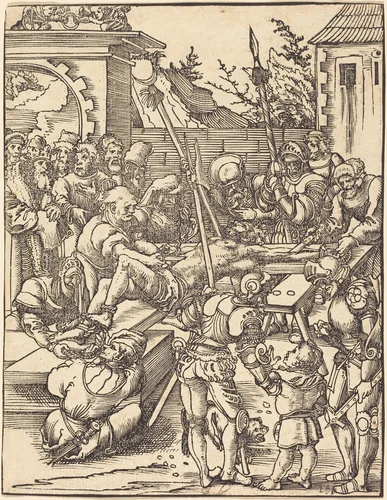
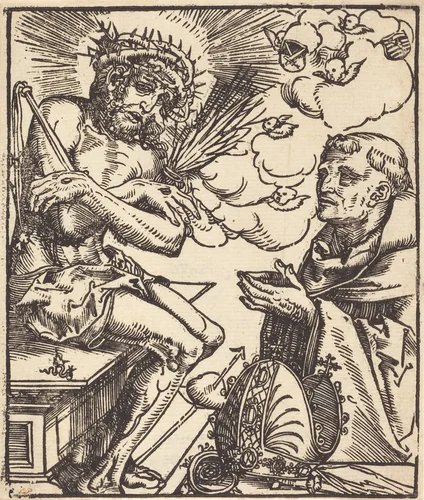
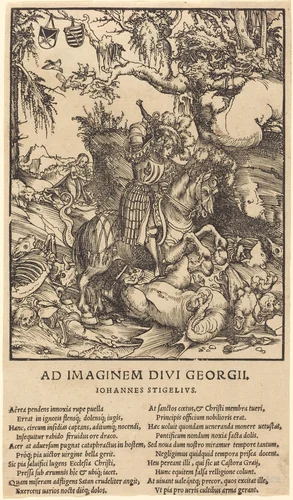
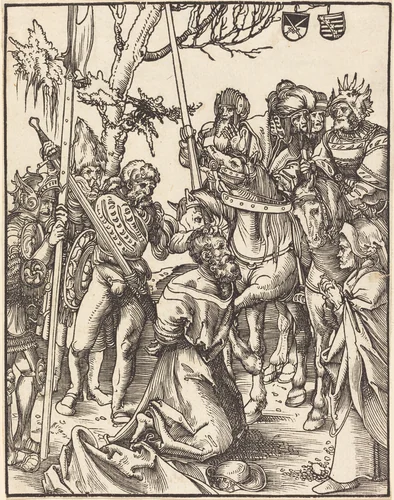
The Elder served as the court painter to the Electors of Saxony in Wittenberg for nearly five decades, a position that granted him extraordinary artistic and economic latitude. Cranach was a master of multifaceted media, expertly handling monumental oil commissions alongside innovative graphic work. His command of the graphic arts, evidenced by detailed copperplate engravings like A Saxon Prince on Horseback, allowed for the swift and wide dissemination of both courtly portraits and theological messages. His prints detailing items like A Silver Statuette of St. Christopher, from the Wittenberg Reliquaries showcase the high level of technical precision his workshop maintained, even when cataloging complex three-dimensional objects.
Cranach the Elder was more than just a gifted artist, he was a shrewd entrepreneur. He managed a vast, highly productive workshop that operated like a sophisticated early modern business, allowing his sons, particularly Lucas the Younger, to seamlessly inherit the family enterprise and ensure continuity of style and production. It is a subtle observation, but one rooted in fact: few contemporary artists managed to navigate the profound political and religious upheavals of the sixteenth century while simultaneously establishing an artistic monopoly.
Today, the scope of the Cranach legacy remains essential to the study of the Northern Renaissance. His expansive body of work, spanning iconic Lucas Cranach paintings and revolutionary Lucas Cranach prints, is preserved in leading institutions globally, including the Metropolitan Museum of Art and the National Gallery of Art. The accessibility of these works has ensured their continued relevance; many of the original master prints now reside in the public domain, facilitating the production of high-quality prints and downloadable artwork for scholarship and appreciation.
Source: Wikipedia · CC BY-SA 4.0