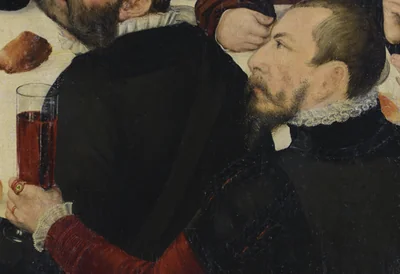
Lucas Cranach the Younger
Lucas Cranach the Younger was an essential figure in the continued tradition of German Renaissance painting, working as a prolific portraitist and maintaining one of Europe’s most successful artistic dynasties. Active primarily between 1472 and 1515, he was the son of the highly influential Lucas Cranach the Elder and brother to Hans Cranach. Operating from the celebrated family workshop, Cranach the Younger inherited a legacy of technical mastery and a client base spanning the most powerful figures of the Reformation era.
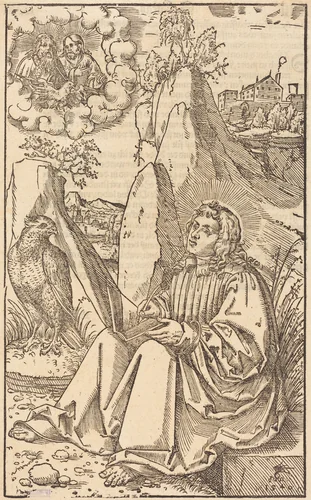
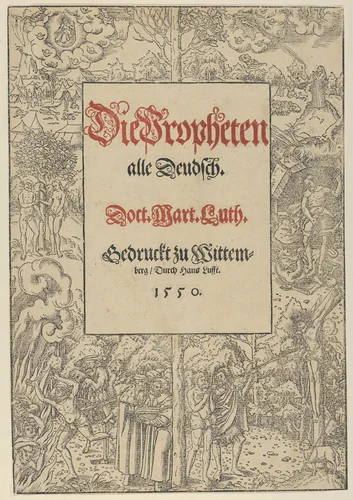
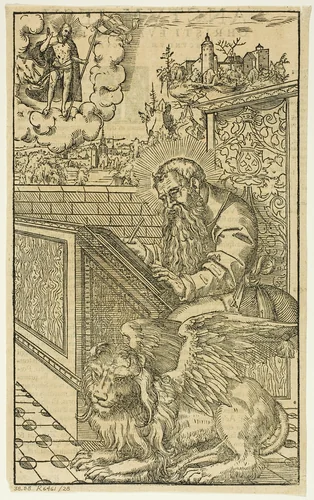
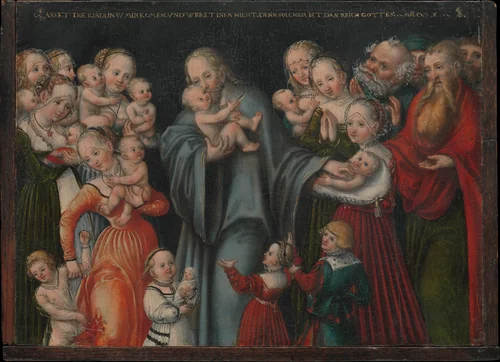
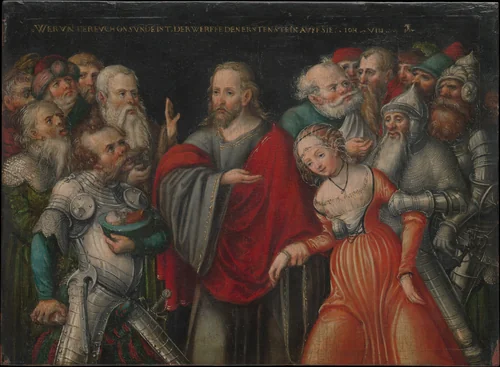
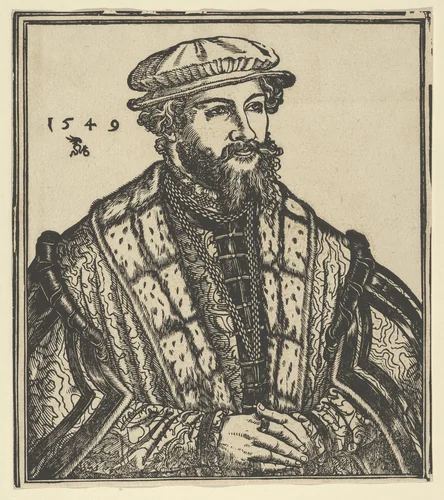
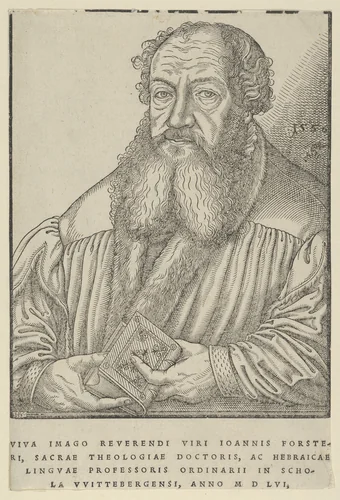
His artistry was defined not by revolutionary style but by unwavering technical precision and masterful continuity. The Cranach workshop was crucial in establishing the visual iconography of the Reformation, creating recognizable and authoritative likenesses that served both political and religious imperatives. The Younger’s output focused intensely on official portraiture, utilizing reproducible formats like prints to disseminate the images of influential figures quickly and widely.
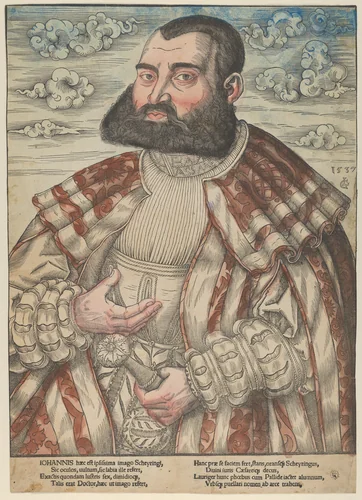
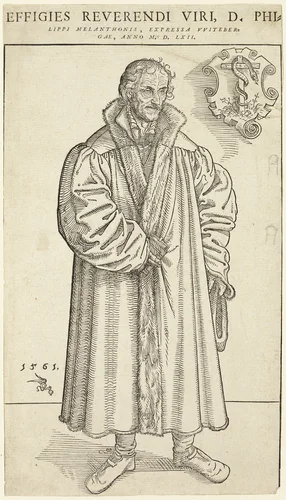
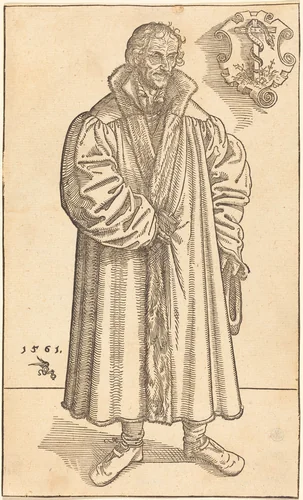
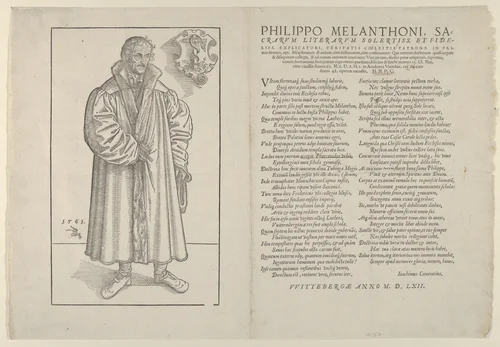
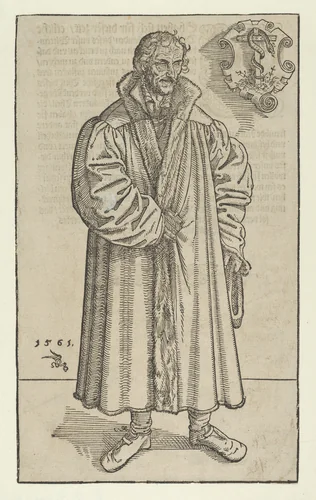
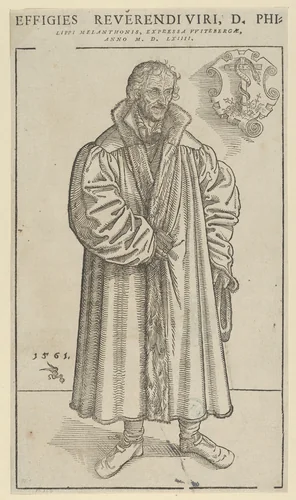
His ability to render serious, psychologically insightful portraits is evident in the works featured in the database, including the official Copy of Emperor Charles V, which provided a standardized view of the Holy Roman Emperor, and the celebrated series of representations of key theological thinkers. He repeatedly captured the scholarly dignity of Martin Luther’s closest ally in studies such as Philip Melanchthon, Bust to the Right. Similarly, his portrayals of John Frederic the Magnanimous, in Electoral Robes, ensured the ruler’s presence was felt even in absentia.
It is perhaps the highest testament to his skill and efficiency that the public often finds it challenging to differentiate the hand of the younger Cranach from his father’s, demonstrating how effectively he preserved the family’s established visual brand. These essential historical documents, often available today as high-quality prints and as royalty-free downloadable artwork, remain core visual resources for historians. His prints, collected by institutions like the Metropolitan Museum of Art and the National Gallery of Art, have largely passed into the public domain, cementing his status as a foundational visual historian of the German world.
Source: Wikipedia · CC BY-SA 4.0