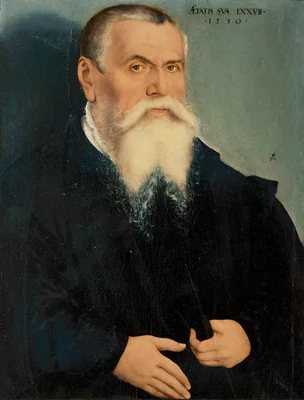
Lucas Cranach the Elder
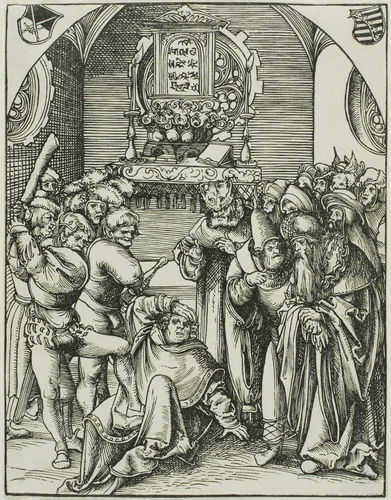
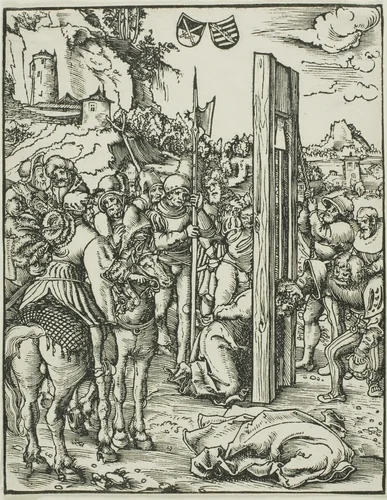
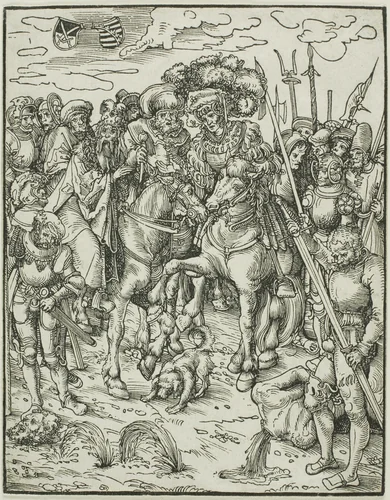
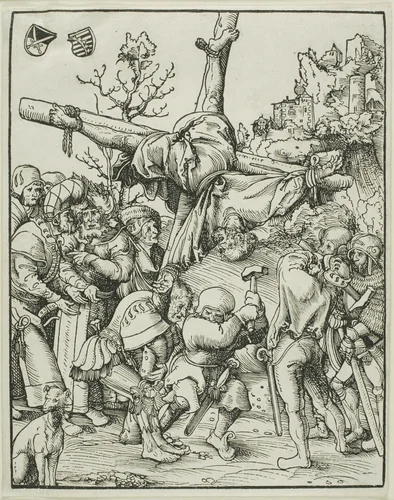
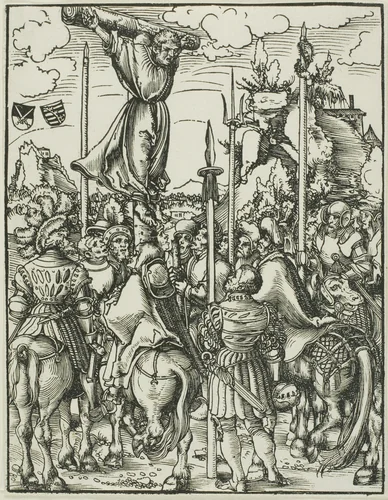
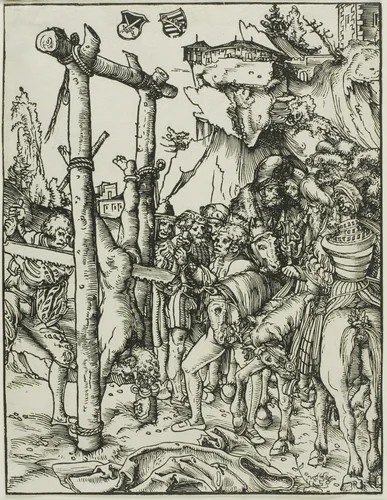
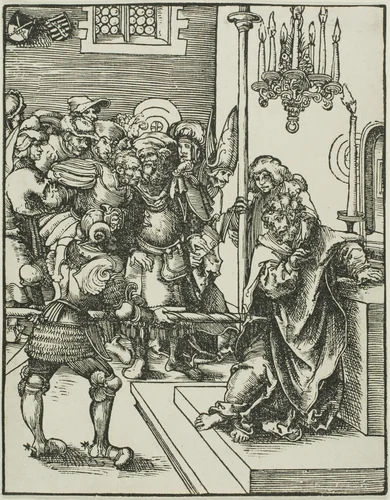
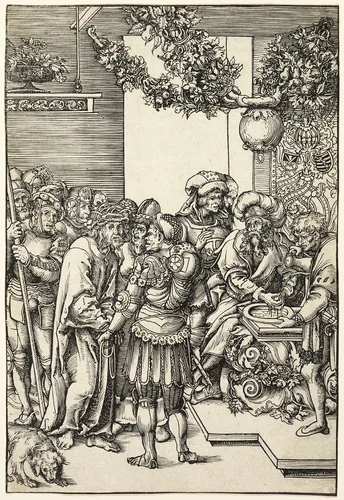
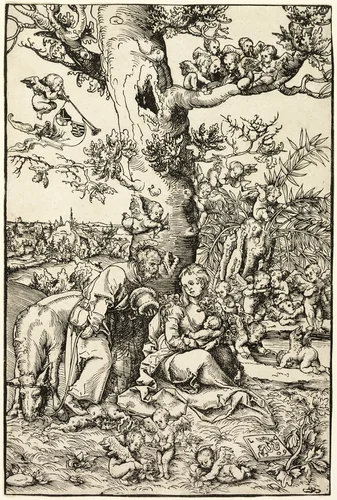
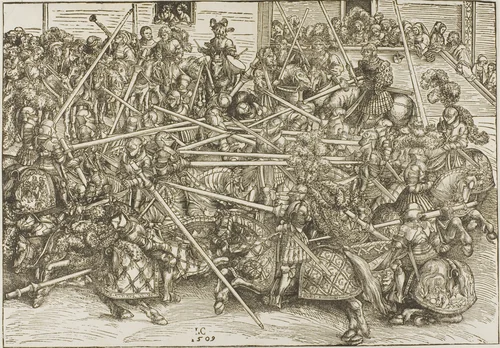
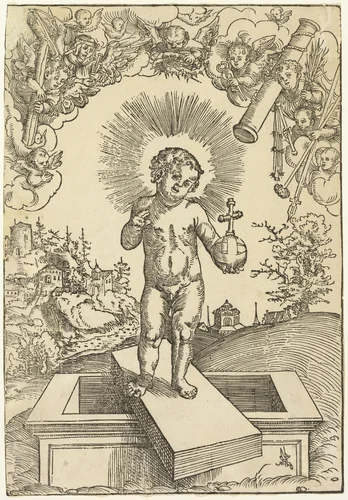
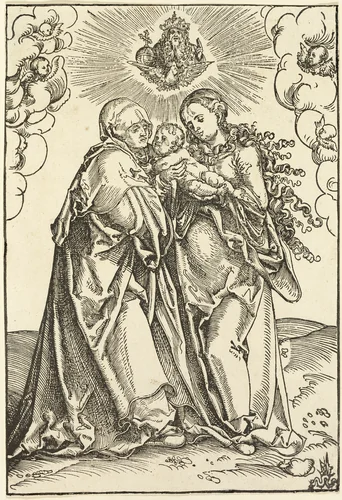
Lucas Cranach the Elder (1472-1553) stands as one of the most commercially astute and stylistically sophisticated masters of the German Renaissance. Serving for the majority of his life as the court painter to the Electors of Saxony, his influence extended far beyond the immediate production of altarpieces and official portraits. He was a prolific innovator in the graphic arts, utilizing both woodcut and engraving mediums, evidenced by early works such as Saint Matthias and the compelling scene of Ecce Homo.
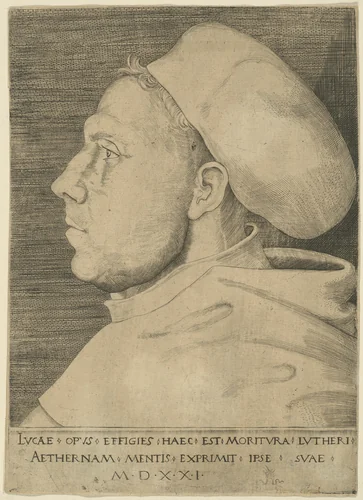
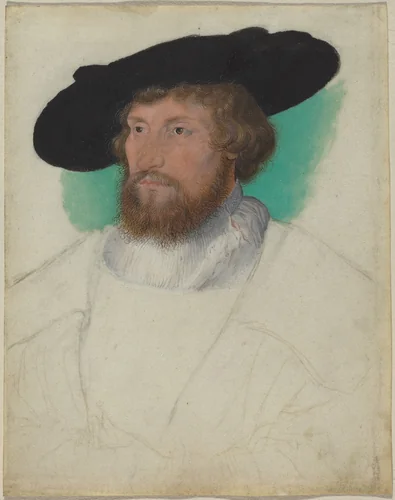
Cranach’s decades-long tenure at the Saxon court provided him with unrivaled access to the powerful figures of Central Europe. While meticulously documenting German princes, his most historically vital work emerged from his fervent support of the nascent Protestant Reformation. Cranach was a dedicated collaborator and close personal friend of Martin Luther, translating the controversial theologian’s image into a reproducible public icon. The eleven surviving portraits of Luther by Cranach underscore his strategic role in shaping the visual identity of the Reformation, turning spiritual leaders into recognizable, authoritative figures through mass-produced Lucas Cranach the Elder prints.
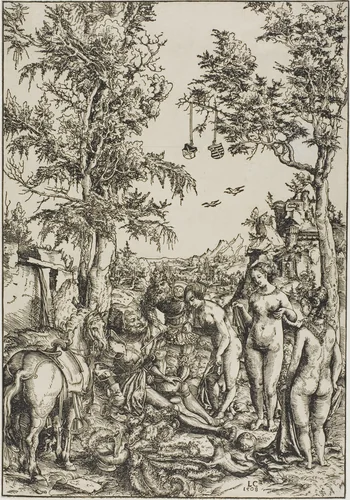
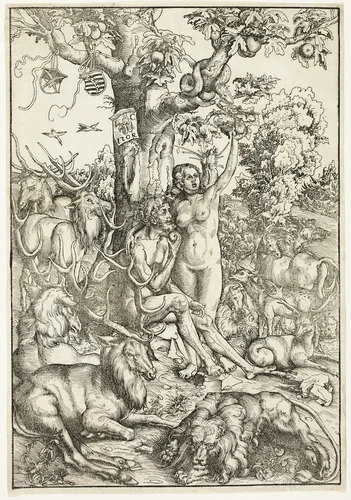
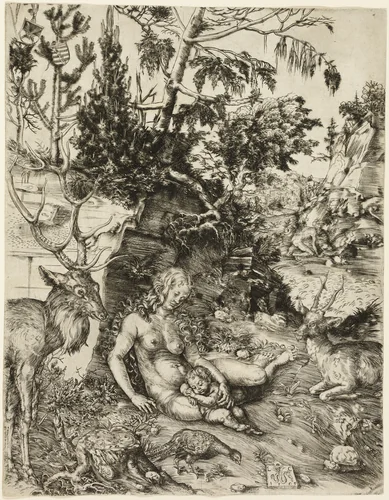
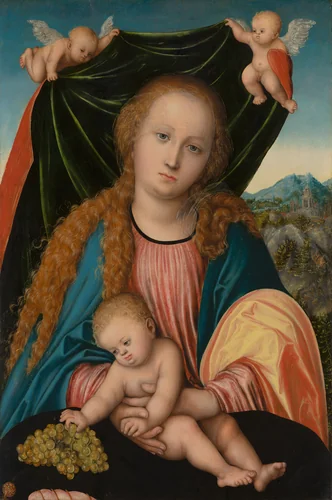
His extensive oeuvre successfully bridged traditional and revolutionary demands. While he initially worked within the established Catholic tradition, he later endeavored to find pictorial solutions for conveying Lutheran theological concerns in art, visible in complex narrative scenes like The Road to Calvary. Crucially, Cranach maintained a distinctive, almost irreverent interest in the depiction of the nude form, drawing inspiration from classical mythology and religious narratives. This consistent thread of voluptuous, elegant nudity running through his work offers a subtle, playful contrast to the severity of the religious politics he otherwise served, proving that high culture and high politics could coexist with a touch of artistic mischief.
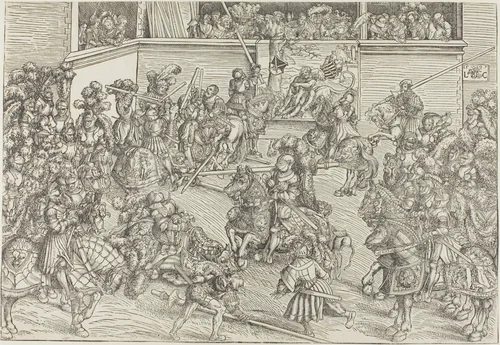
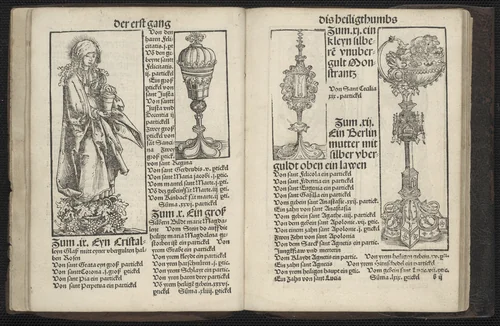
Cranach managed a highly productive workshop, ensuring wide distribution of his compelling imagery. The technical quality and clear execution of his engraved works, including the fascinatingly detailed Book-Plate of Scheurl and Tucher and the lively action of The Stag Hunt, cemented his reputation as a master graphic artist. Today, many of his important works reside in the public domain, allowing enthusiasts and scholars access to downloadable artwork that represents the pinnacle of 16th-century German printmaking. These museum-quality works continue to shape our understanding of the Renaissance North.
Source: Wikipedia · CC BY-SA 4.0