Luca Ciamberlano
Luca Ciamberlano stands as a pivotal figure among Italian engravers active during the late sixteenth and early seventeenth centuries, firmly situating his output within the dramatic, precise sensibility of the nascent Baroque period. Operating primarily between 1580 and 1610, Ciamberlano distinguished himself not primarily through grand canvas work, but through the detailed precision and wide dissemination of his prints. This focus on engraving made his work exceptionally influential, circulating complex artistic ideas to a broader European audience.
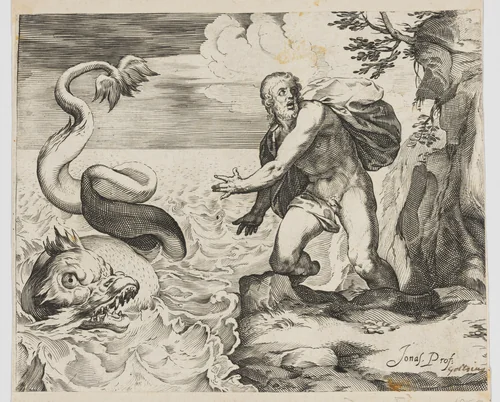
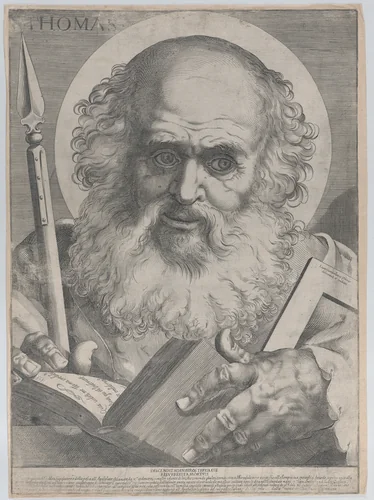
His established catalog of approximately fifteen known prints showcases a remarkable technical range and thematic variety. Ciamberlano transitioned effortlessly between devotional subjects, such as the dynamic Jonah and the Whale, and detailed ecclesiastical studies, exemplified by Saint Thomas, with a lance in a right hand and a book and square in his left hand.
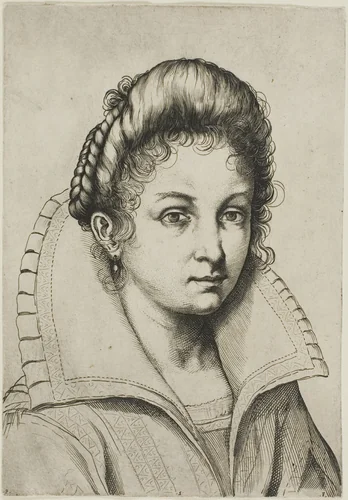
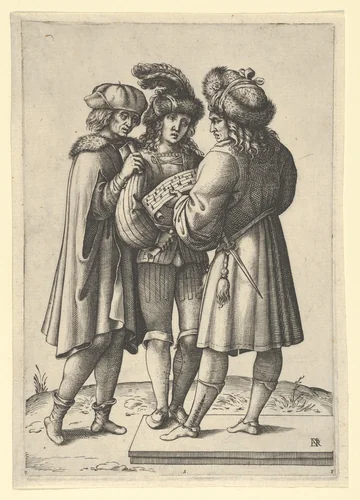
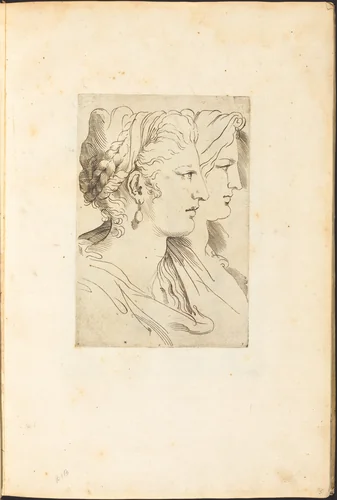
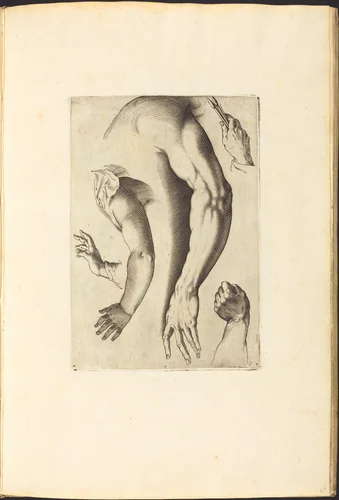
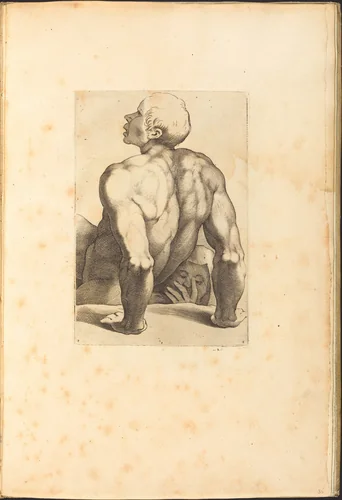
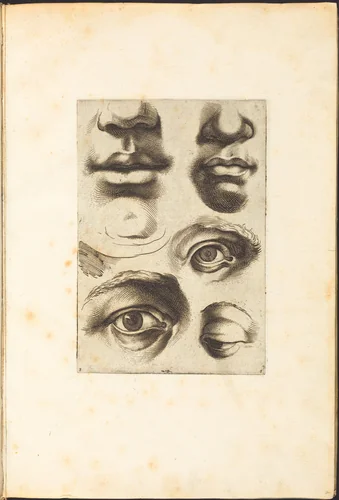
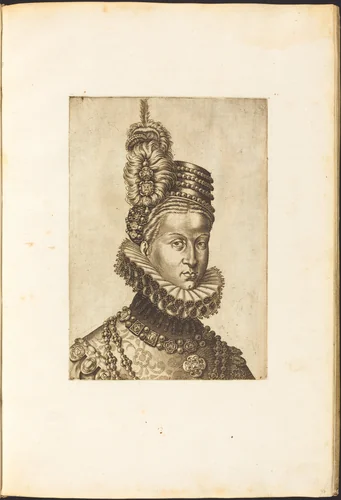
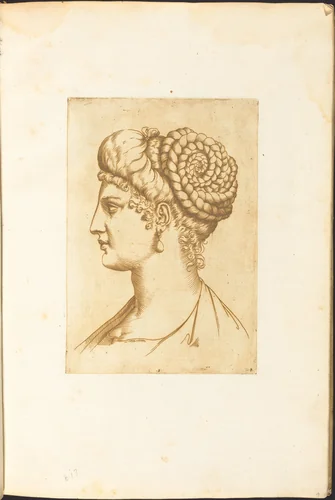
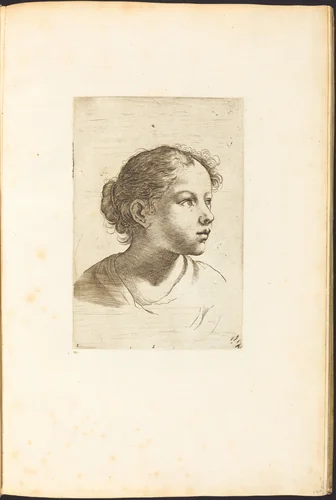
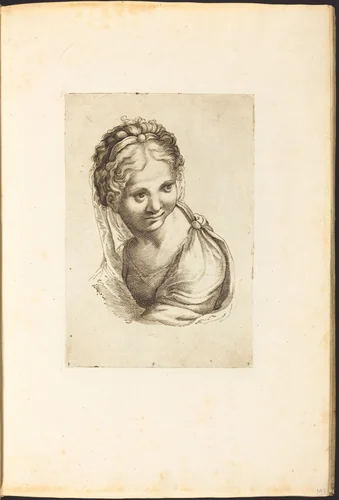
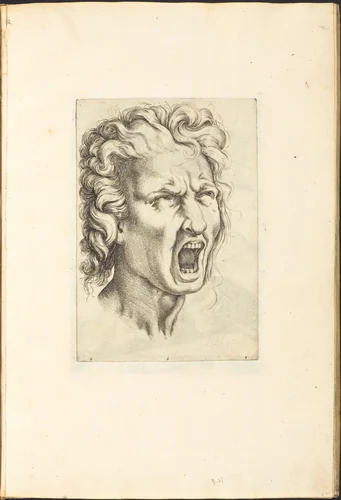
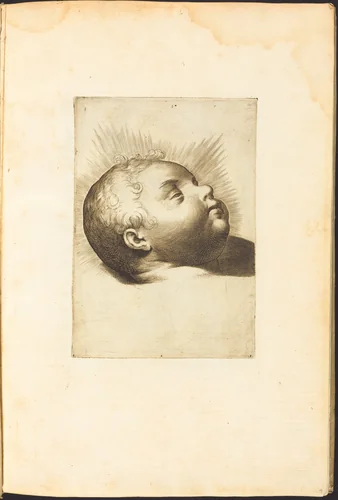
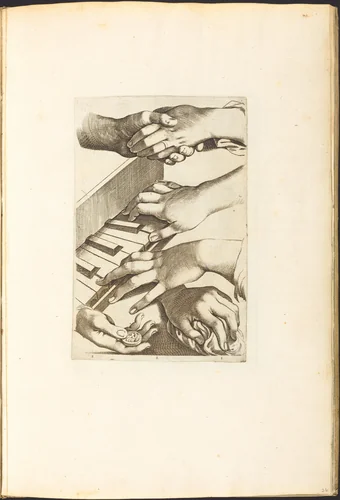
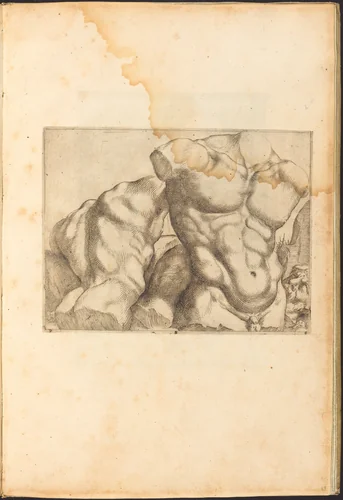
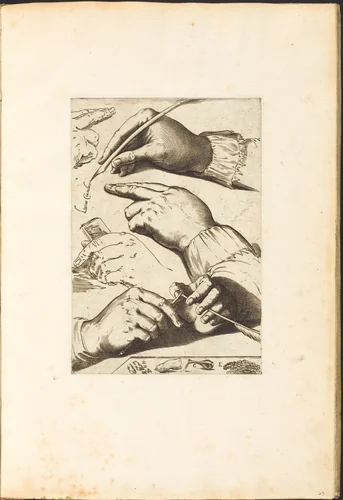
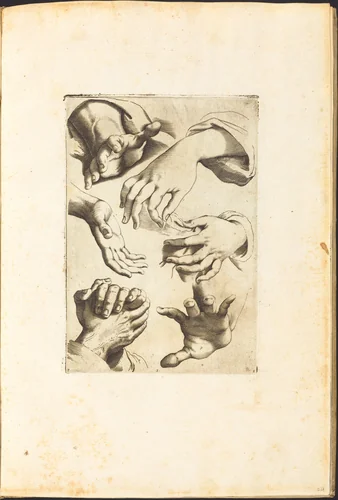
A particularly illuminating aspect of his production involved the intersection of fine art and pedagogical study. Ciamberlano contributed significantly to educational manuals and pattern books, acknowledging the critical role printmaking played in disseminating anatomical and drafting knowledge. This is evident in works like the detailed Portrait Bust of a Woman with a Large Collar, taken from Perfect School to Learn How to Draw the Entire Human Body. Yet, he maintained a keen observational eye for the contemporary and the unusual, as seen in the intimate grouping of the Three male singers standing together holding a sheet of music.
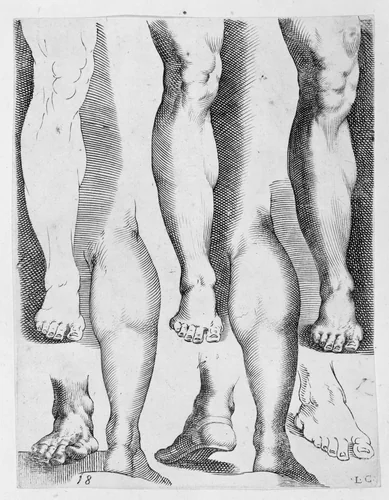
The technical precision of the Luca Ciamberlano prints has ensured their lasting institutional appeal, with examples housed in major American collections including the Metropolitan Museum of Art, the National Gallery of Art, and the Art Institute of Chicago. His enduring importance lies not just in his finished plates, but in his recognition of prints as democratizing agents for artistic education. His ability to render complex anatomy, religious narrative, and even the geometry of the human form—as suggested by the oddly specific, highly empirical title, Five Legs and Three Feet—demonstrates a draftsman comfortable charting the intersection between the sublime and the strictly academic.
Today, many of Ciamberlano’s most significant works are in the public domain. High-quality prints and downloadable artwork of his engravings continue to serve as vital records of early Baroque draftsmanship, frequently favored by institutions seeking museum-quality reproductions for both scholarship and exhibition.
Source: Wikipedia · CC BY-SA 4.0