Luca Carlevaris
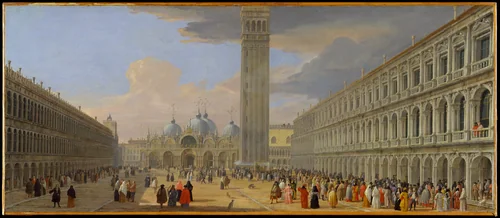
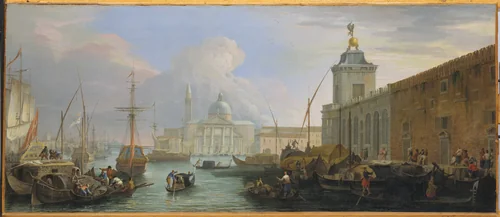
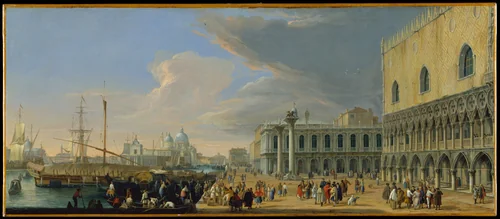
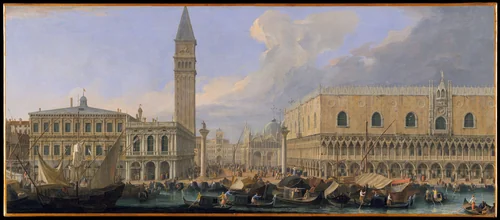
Luca Carlevaris (1663-1730), an Italian painter and engraver based primarily in Venice, holds a pivotal position in the history of topographical art. He is justly recognized as the progenitor of the highly marketable Venetian cityscape, or veduta, a genre he essentially founded before the arrival of celebrated later practitioners such as Canaletto and Francesco Guardi. Carlevaris’s pioneering efforts fundamentally shifted how the Serenissima was depicted, replacing earlier, looser renderings with accurate, systematic visual documentation that catered directly to the Grand Tour clientele.
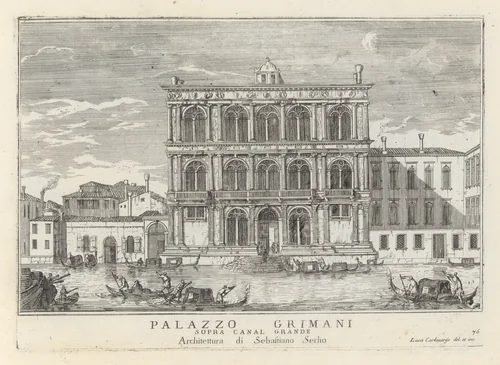
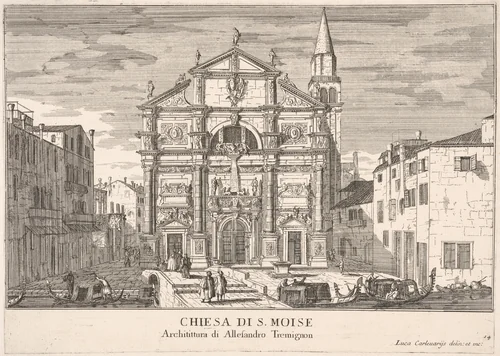
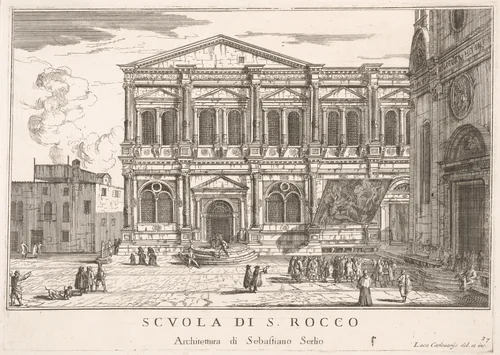
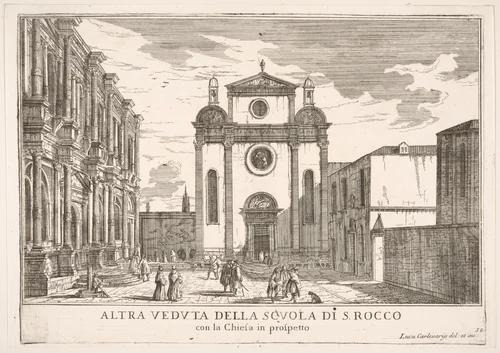
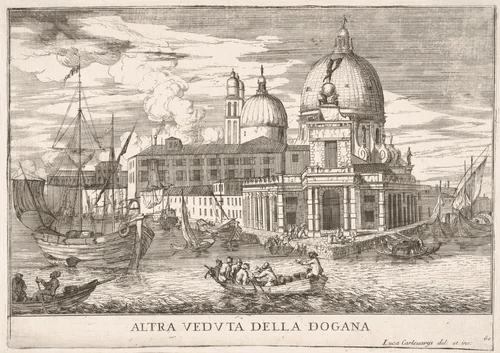
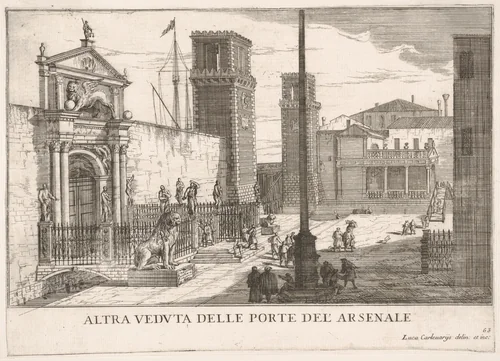
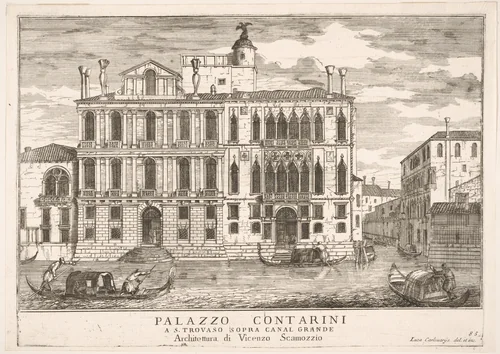
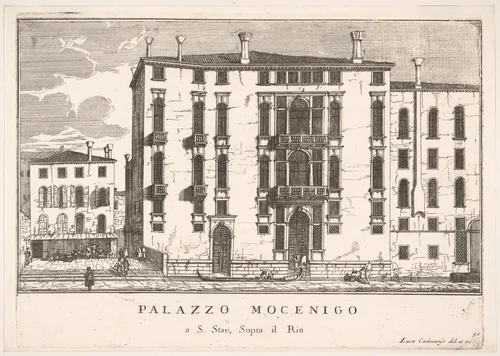
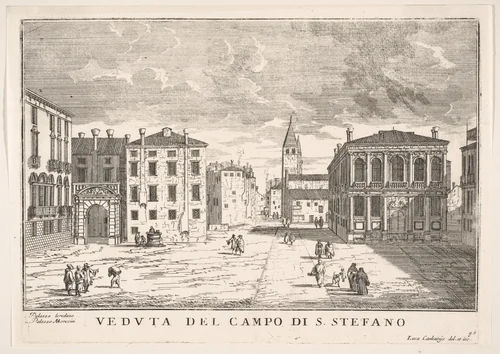
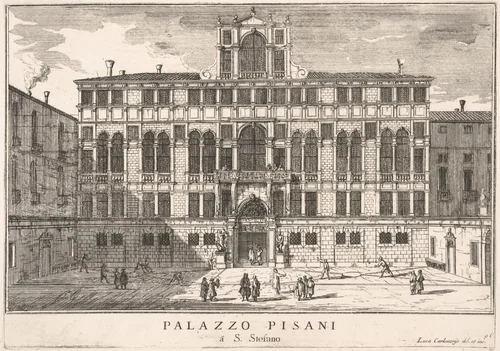
The crucial milestone in establishing this tradition was the 1703 publication, Le fabriche, e vedute di Venetia (The buildings and views of Venice). This monumental volume consisted of 103 highly detailed etchings that systematically mapped the grand architectural splendor of the city. Carlevaris moved beyond isolated sketches, offering comprehensive views of central and peripheral locations, including exacting perspectives of major landmarks like the view of the customs house (Dogana da Mar) at the confluence of the Grand Canal and the Giudecca Canal (Plate 61) and the complex rendering of the Church of St. Roch (Plates 37 and 38). These influential Luca Carlevaris prints provided a visual inventory indispensable to travelers, collectors, and fellow artists for decades to come.
The technical mastery displayed in Carlevaris’s work rests on a foundational understanding of geometry and light, lending his compositions a convincing spatial depth that distinguished them from simple topographical sketches. His architecture is rendered with almost engineering precision; however, a subtle and amusing characteristic of his vision can be found in the smaller figures placed across the squares and canals. These lively, somewhat stilted actors often seem aware they are merely serving to lend scale to the uncompromising backdrops of stone and water. This combination of theatrical space and cartographic precision established the standard for depicting Venice for the entire 18th century, ensuring his vision remains vital today as downloadable artwork preserved in major institutions, including the Metropolitan Museum of Art.
Source: Wikipedia · CC BY-SA 4.0