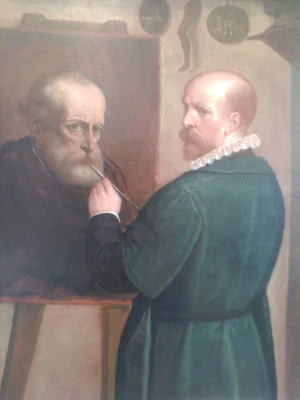
Luca Cambiaso
Luca Cambiaso (1527-1585) stands as the preeminent Genoese painter and draughtsman of the sixteenth century. He is widely credited as the founder of the Genoese school, establishing the local tradition of historical fresco painting that defined the regional aesthetic for generations. His extensive career, marked by highly visible commissions across Genoese churches and palaces, cemented his reputation as the definitive artistic authority in the Ligurian capital during the late Renaissance.
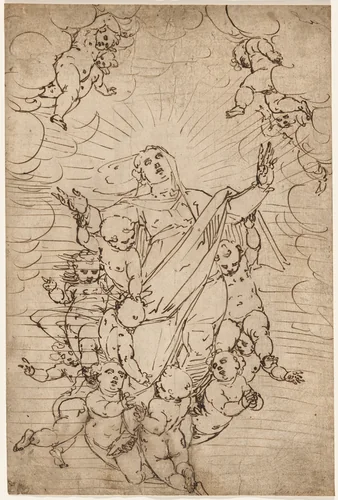
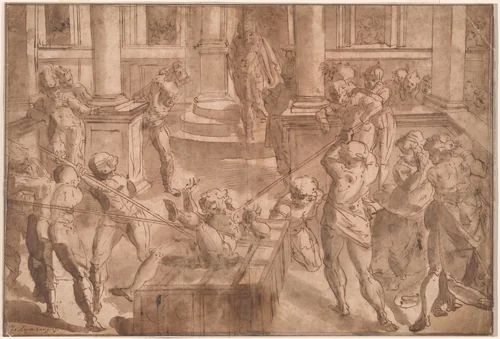
Cambiaso’s primary technical achievement lay in elevating historical and mythological subjects within grand, complex decorative schemes. His work established the standard for affresco technique in Genoa, combining robust modeling with a dynamic, often crowded, sense of narrative structure. He was masterful in deploying dramatic light effects, cultivating a specialized skill in rendering poetic night scenes, an early specialty that added variety to his otherwise large-scale, daytime narratives. Works such as the Apotheosis of Saint Mary Magdalen demonstrate the scale and ambition that secured his reputation as the region’s leading master of monumental art.
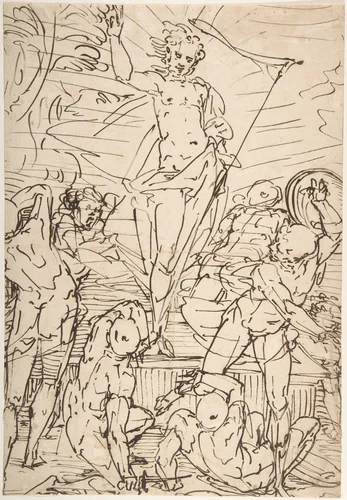
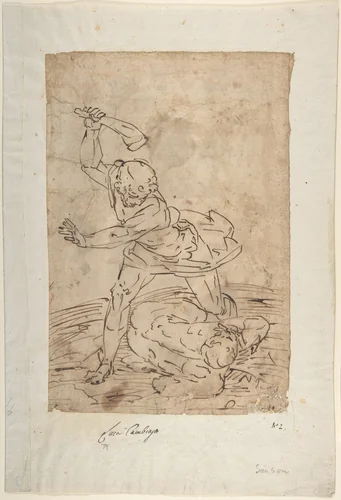
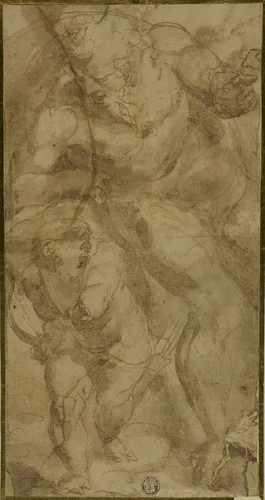
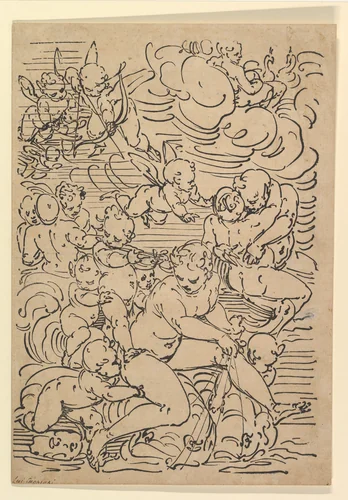
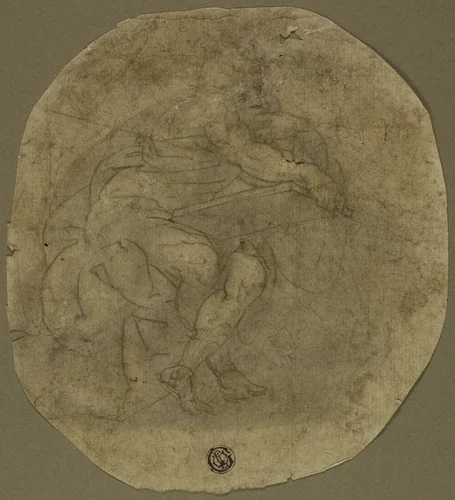
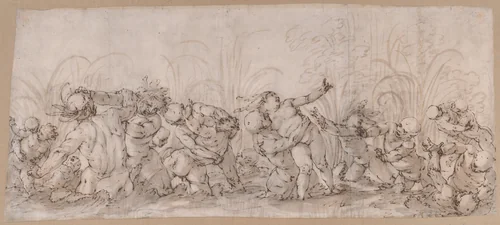
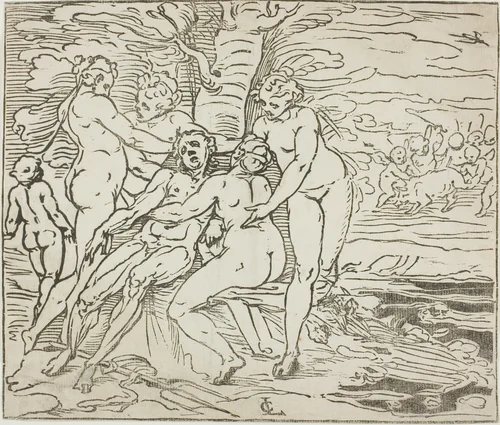
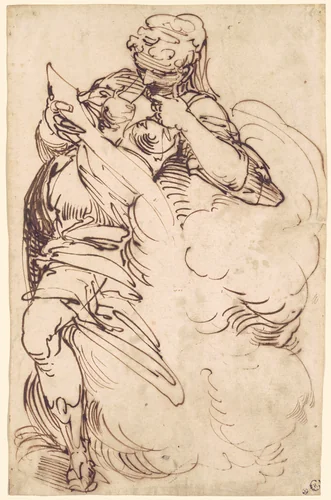
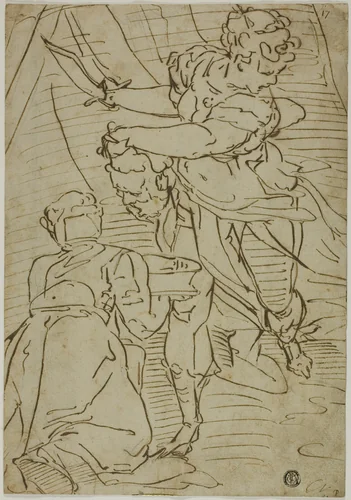
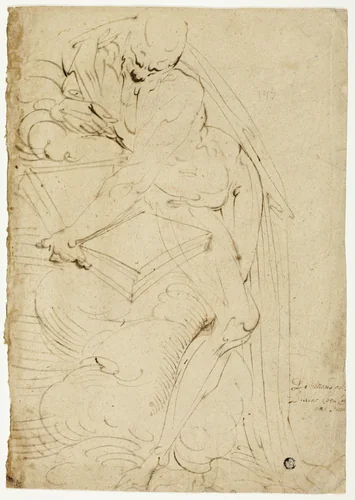
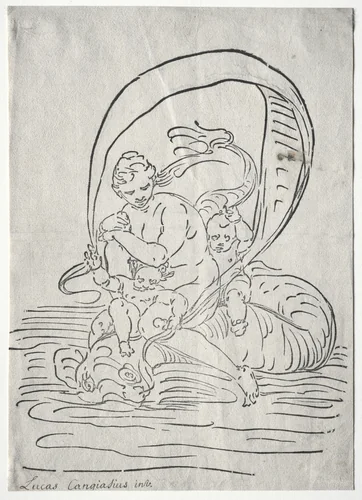
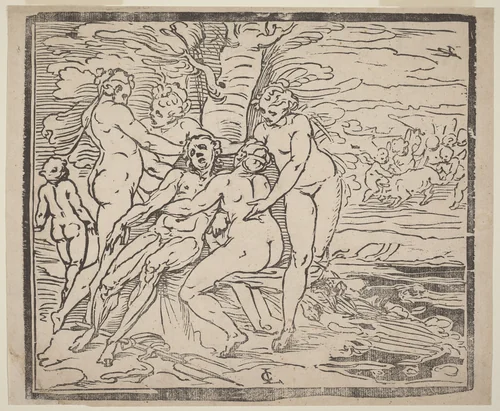
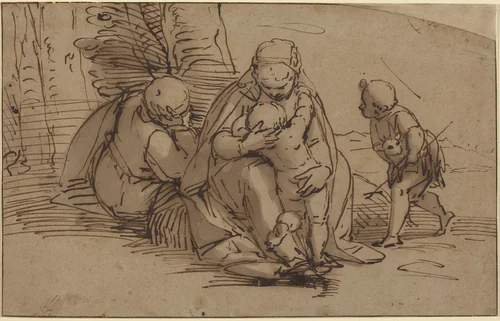
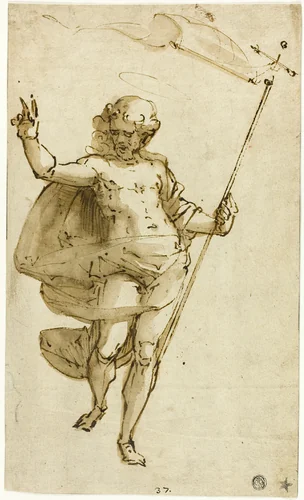
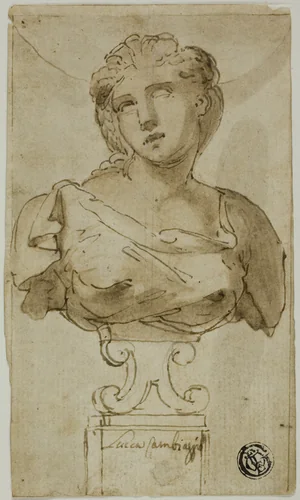
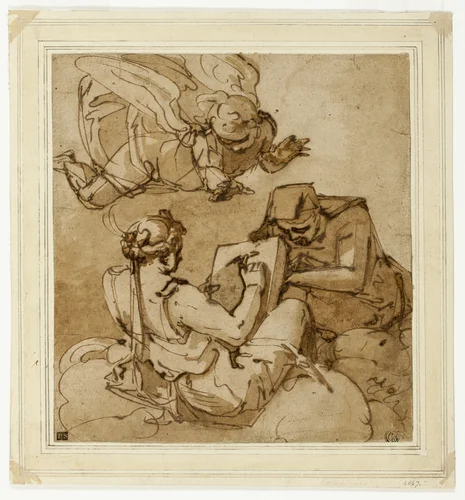
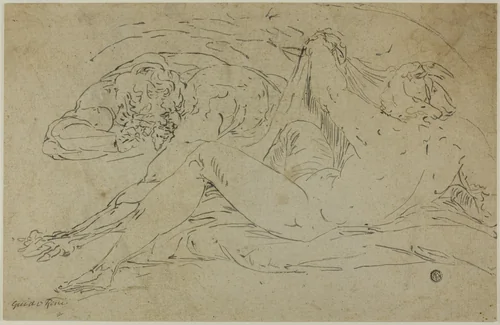
Crucially, Cambiaso was a prolific and highly experimental draughtsman, producing a vast body of graphic work that often exceeds the quantity of his finished paintings. These drawings reveal a restless intellect continually exploring new ways to depict form and motion. He developed a remarkable graphic shorthand, sometimes reducing complex human figures to interlocking geometric cubes and planes. This reductionist approach, particularly evident in compositional sketches for larger commissions, displays a unique modernity that sets him apart from many contemporaries. Furthermore, the artist was familiarly known to his peers as Lucchetto da Genova, suggesting an unusual blend of formal rigor and approachable innovation.
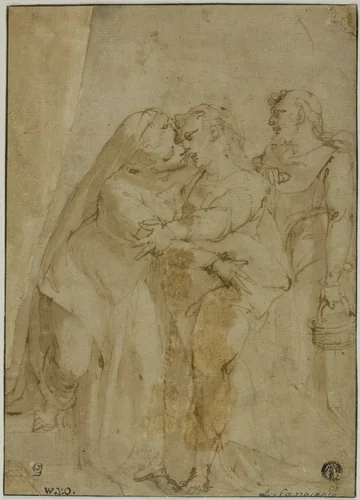
Cambiaso’s legacy is best preserved today through his robust graphic output, with major collections holding significant examples, including the Metropolitan Museum of Art and the National Gallery of Art. Drawings such as Apollo Driving the Chariot of the Rising Sun and Christ and the Woman of Samaria at the Well illustrate his technical range and precision. While his original frescoes remain in situ throughout Genoa, the widespread availability of his graphic designs means that museum-quality reproductions and high-quality prints of his figure studies are often available as downloadable artwork for scholars and enthusiasts globally, ensuring that the legacy of Luca Cambiaso paintings remains vital.
Source: Wikipedia · CC BY-SA 4.0