Lovis Corinth
Lovis Corinth (1858-1925) stands as one of the definitive figures of German modernism, an artist and insightful writer whose career marked a fundamental transition from 19th-century observational rendering to the psychological intensity of the 20th century. His mature work, highly valued for its energetic approach, achieved a potent synthesis of European Impressionism and nascent Expressionism.
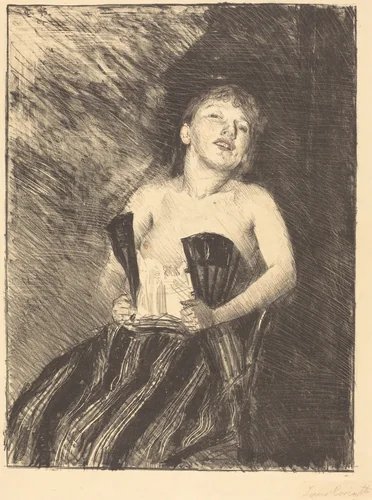
Corinth’s development began rooted in academic tradition, but he quickly moved toward the vigorous color and rapid brushwork characteristic of German Impressionism. Following a debilitating stroke in 1911, his style dramatically shifted, adopting a raw, turbulent quality that redefined his visual language. His late self-portraits and figure studies, such as the compelling psychological interrogation found in Seated Young Woman [recto], reject objective description in favor of subjective emotional truth. The resulting surfaces often appear scraped and layered, directly conveying the artist’s struggle with mortality and physical decline. This relentless, almost obsessive documentation of his own aging process provides the subtle personality element that distinguishes his oeuvre; few artists have so fearlessly incorporated personal catastrophe into their artistic methodology.
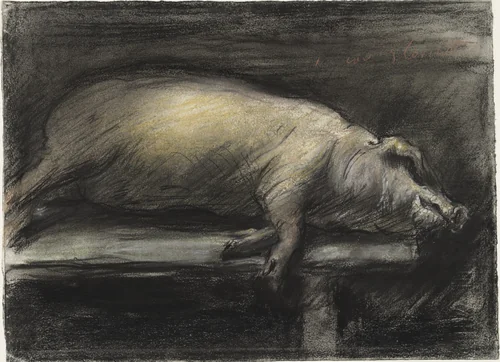
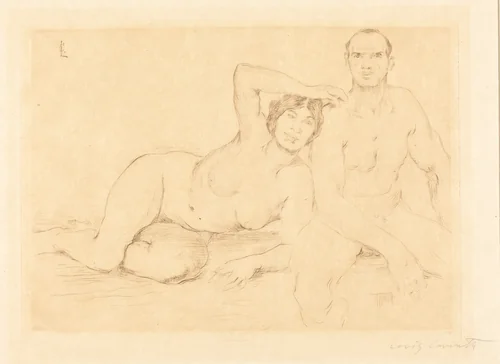
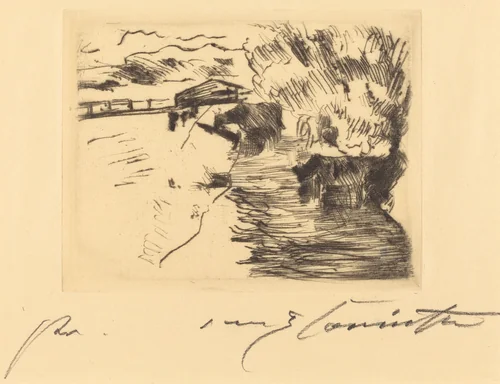
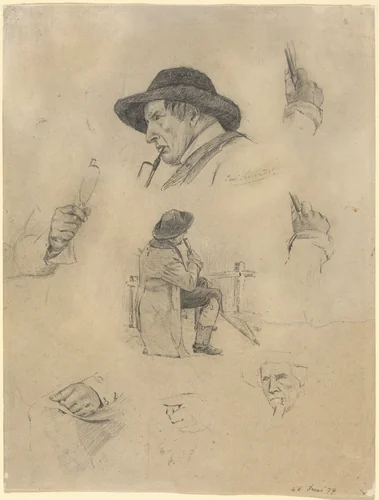
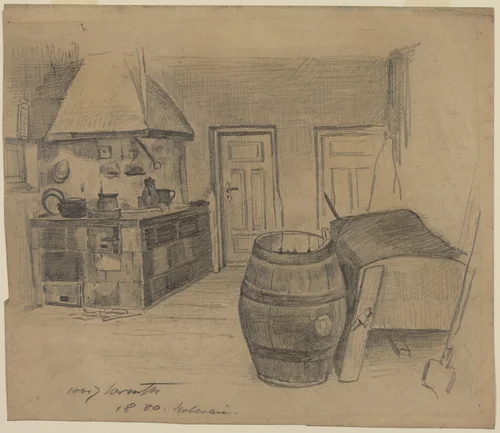
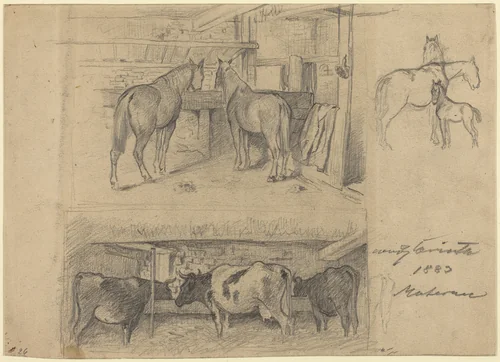
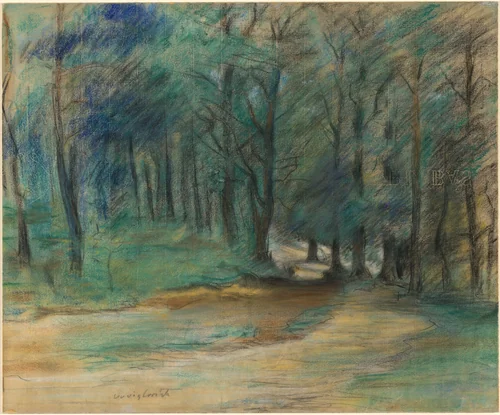
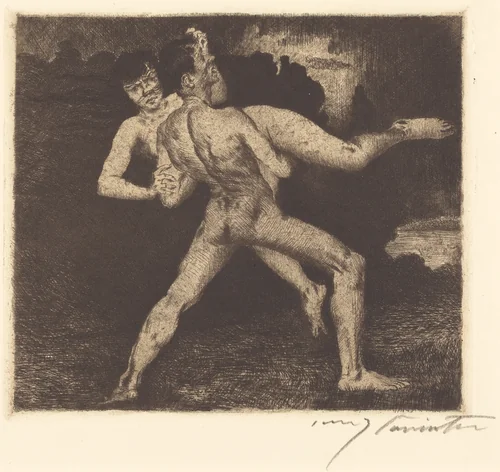
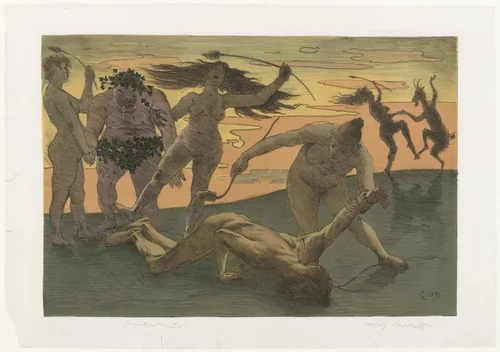
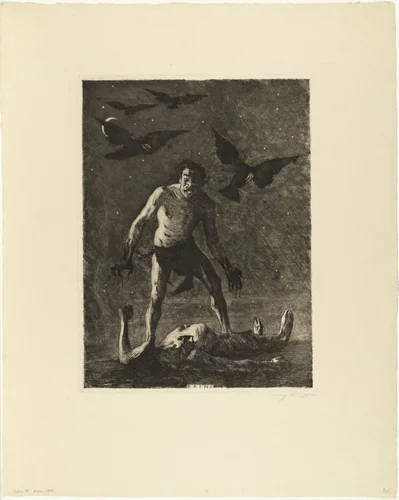
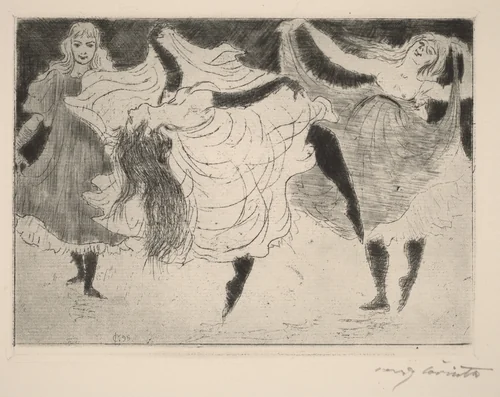
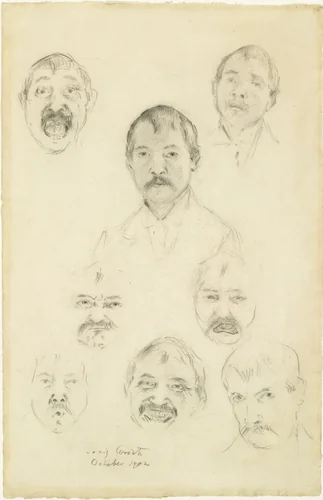
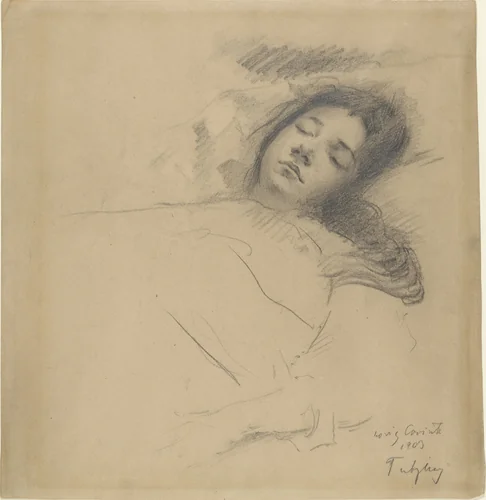
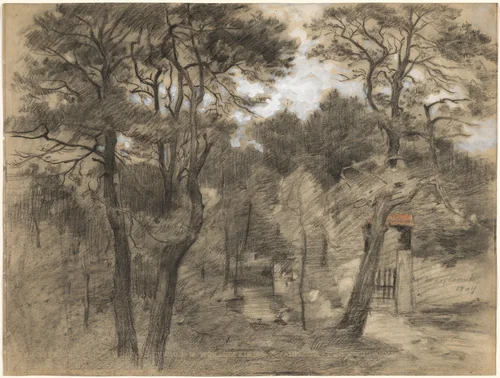
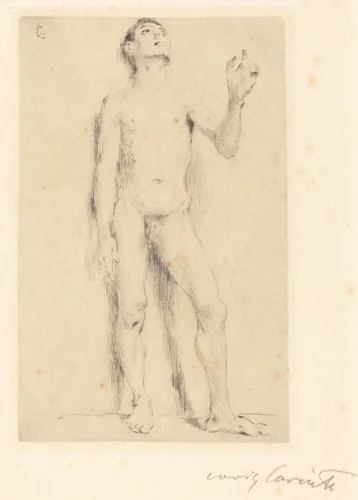
While widely celebrated for his powerful oil compositions, the breadth of Corinth’s genius is equally evident in his vast body of graphic work. As a skilled printmaker, he produced several hundred etchings, lithographs, and drypoints, often exploring domestic intimacy, as seen in works like Interior and The Barn, or natural observation, such as Am see (On a Lake). These prints and drawings, often captured quickly on sheets like Sheet of Sketches, demonstrate his versatility and speed.
Corinth’s enduring significance is reflected in his global representation, with his works held in prestigious collections including the Museum of Modern Art and the National Gallery of Art. While collectors seek out original Lovis Corinth paintings, much of his graphic output has entered the public domain. Consequently, researchers and enthusiasts today have access to downloadable artwork, enabling study of high-quality prints and drawings that illustrate his transition into the turbulent aesthetic of Expressionism.
Source: Wikipedia · CC BY-SA 4.0
![Seated Young Woman [recto] by Lovis Corinth, drawing, 1889](https://img.artbee.org/99c932e4-9240-49cd-8a0e-bd7f253bb969/small.webp)
![Fan Design [recto] by Lovis Corinth, drawing, 1906](https://img.artbee.org/3c7ded4d-ba3a-4b7b-a515-8dc86731a228/small.webp)
![Fan Design [verso] by Lovis Corinth, drawing, 1906](https://img.artbee.org/7e203a1f-bf06-409f-a6ee-38fdcaa57aea/small.webp)