Louis Michel Eilshemius
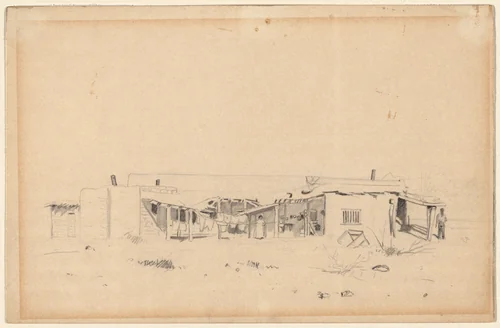
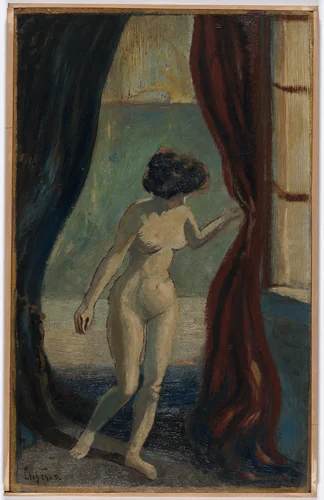
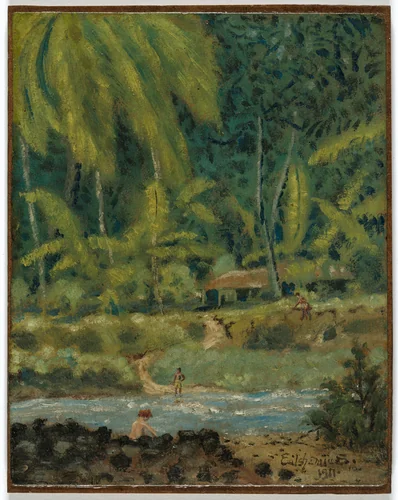
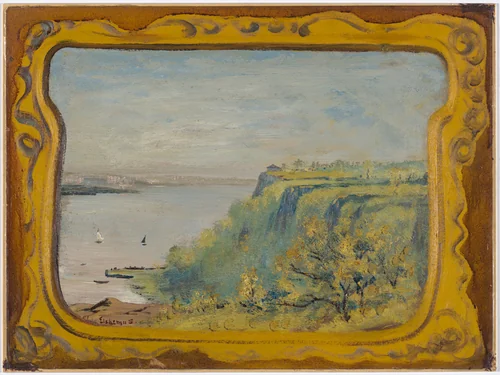
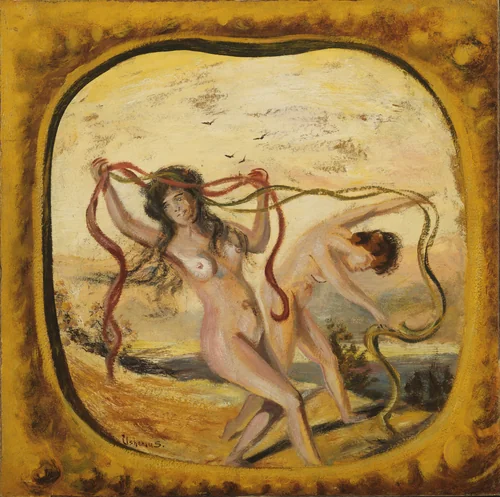
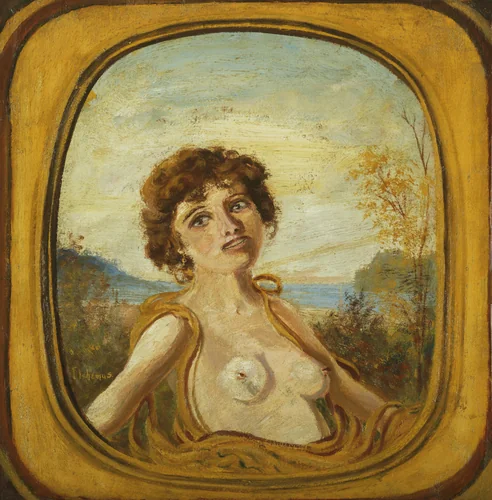
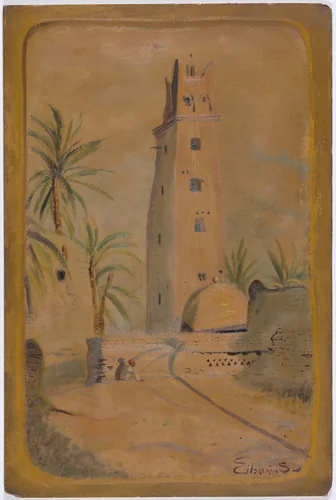
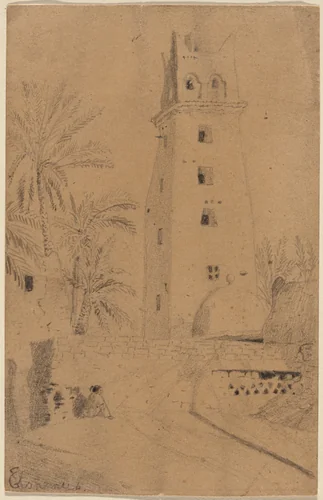
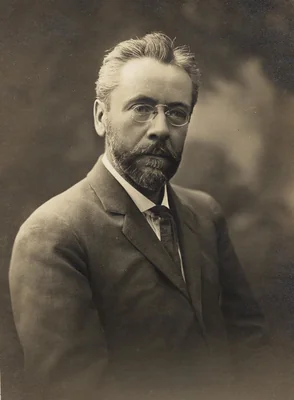
Louis Michel Eilshemius (1864-1941) occupies a distinct, sometimes confounding, place in the history of American early modernism. Active primarily between 1884 and 1915, Eilshemius’s expansive output encompassed figurative studies, often featuring nudes, and highly personalized, atmospheric landscapes, such as Indian Adobe House, Yuma, Arizona. Unlike contemporaries who adhered strictly to late-nineteenth-century academic standards, Eilshemius developed a uniquely subjective style characterized by flattened perspective and often unconventional color palettes. His work is now represented in major institutions, including the National Gallery of Art and the Museum of Modern Art.
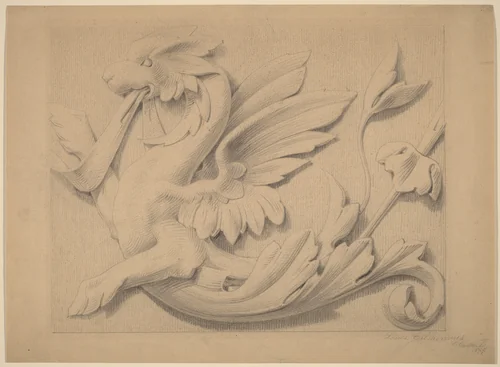
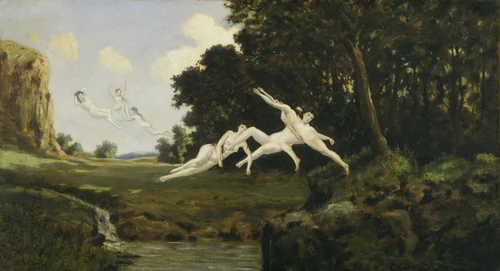
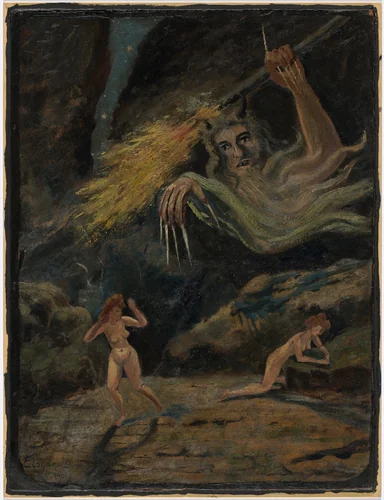
Eilshemius’s early academic training is visible in formal studies like Study from a Cast, yet his subsequent canvases moved toward an expressive simplicity that bordered on the visionary. Paintings such as Afternoon Wind and the dramatically titled The Demon of the Rocks frequently merge observational naturalism with elements of the fantastical or the deeply subjective. His methodology suggests an artist less concerned with gaining contemporary critical acceptance and more focused on the singular pursuit of image making, frequently working out complex visual and narrative ideas within the intimacy of his environment, as suggested by the composition In the Studio. The raw, emotional quality of many Louis Michel Eilshemius paintings contributed significantly to his later recognition by influential early Modernists, including Marcel Duchamp.
Eilshemius was a quintessential American polymath, yet one who scattered his considerable creative energy across several disciplines. Beyond painting, he dedicated himself to composing musical scores, writing complex verse, developing novels, short stories, and even publishing his own periodicals, ensuring that his often-unorthodox views received an audience, however small. It is fair to say that few artists have attempted to critique the world quite so enthusiastically across quite so many media. This prolific, multi-faceted output secured his lasting, if unconventional, legacy. Today, the idiosyncratic genius of his draftsmanship and painting is accessible globally; many Eilshemius works, now in the public domain, are available as high-quality prints and downloadable artwork, offering deep insight into this unique transitional figure in American art.
Source: Wikipedia · CC BY-SA 4.0