Louis Marcoussis
Louis Marcoussis (born Ludwik Kazimierz Władysław Markus, 1878-1941) occupies an essential, if sometimes overshadowed, position within the School of Paris, bridging Polish academic rigor with French modernist innovation. His path to the visual arts was unconventional; after initial studies in law in Warsaw, Markus enrolled at the Kraków Academy of Fine Arts. This dual intellectual background provided him with a keen structural sensibility evident in his later compositions. He completed his formal training in Paris under Jules Lefebvre at the renowned Académie Julian.
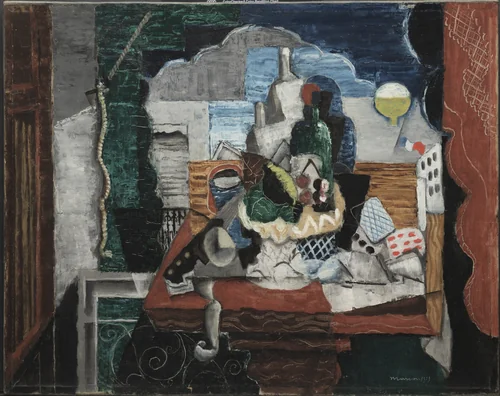
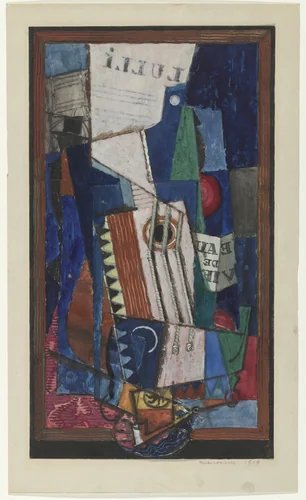
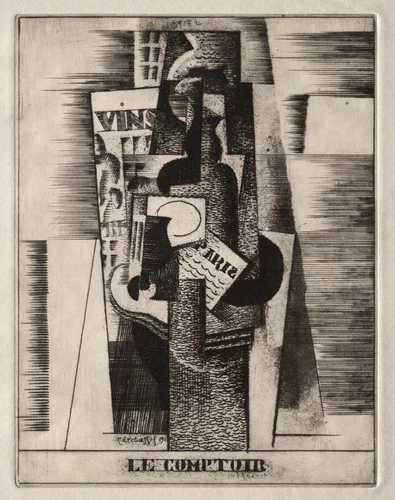
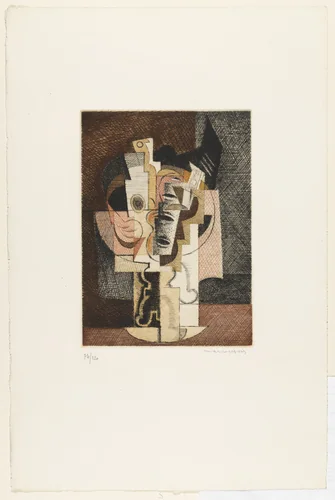
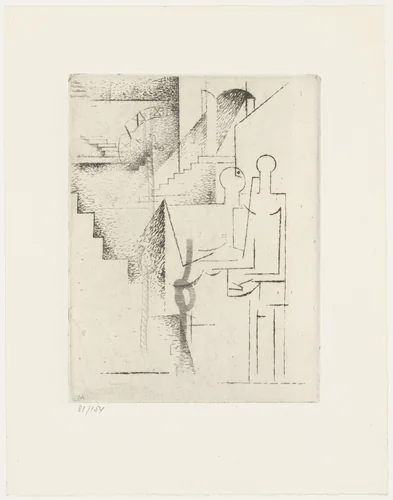
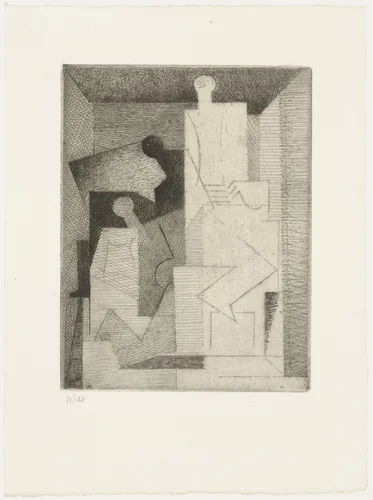
Marcoussis settled definitively in Paris in the early 1900s, immersing himself in the burgeoning bohemian circles of Montmartre and Montparnasse. It was here, in the bustling cafes that served as unofficial lecture halls, that he developed profound relationships with influential contemporaries like Guillaume Apollinaire, Max Jacob, and Juan Gris. His work, characterized by precise yet fractured forms, quickly found a footing, debuting successfully at the Salon d'Automne in 1905. While his early output included a limited number of Louis Marcoussis paintings, he became particularly recognized for his innovations in etching and drypoint later in his career. A glance at titles like Zither, Bottle, Pipe and Sheet Music reveals his sophisticated engagement with late Synthetic Cubism, mastering the layering and transparency inherent to the style. It is often noted that while many artists of his generation embraced abstraction as a rupture, Marcoussis approached it with the disciplined patience of a scholar proving a theorem.
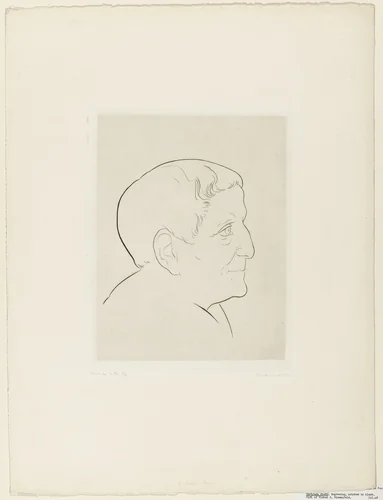
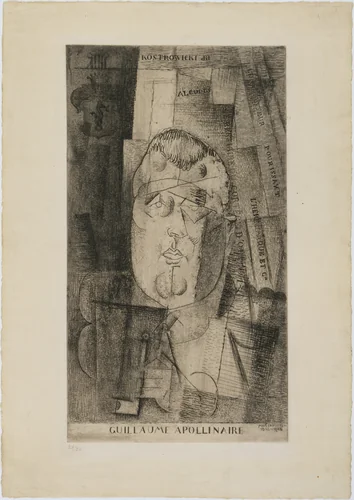
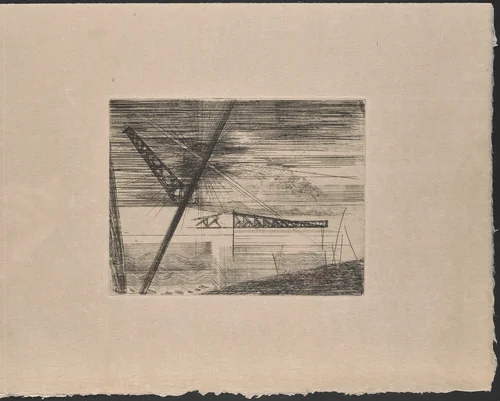
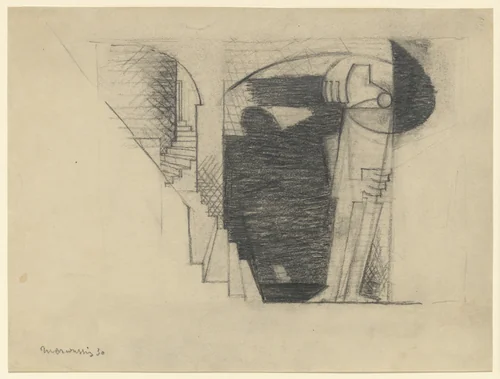
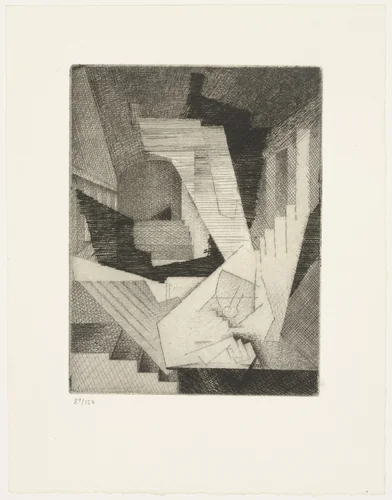
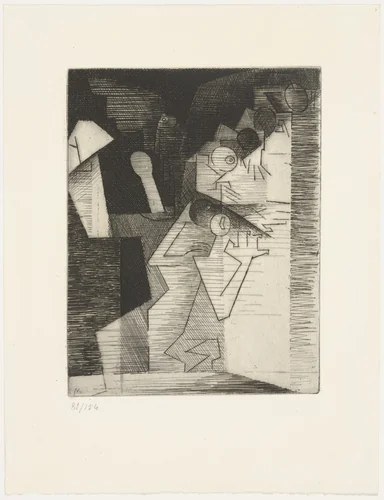
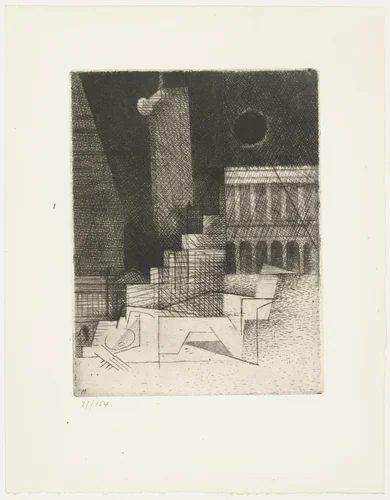
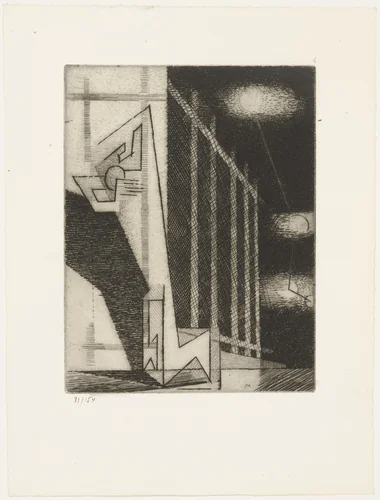
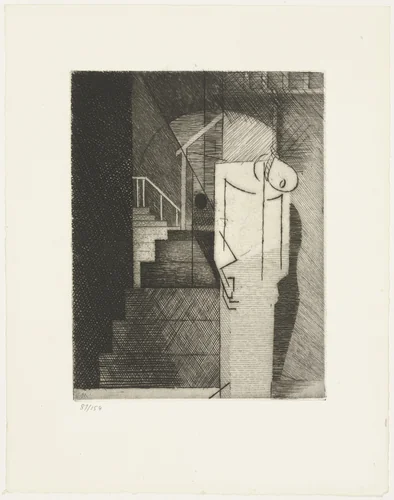
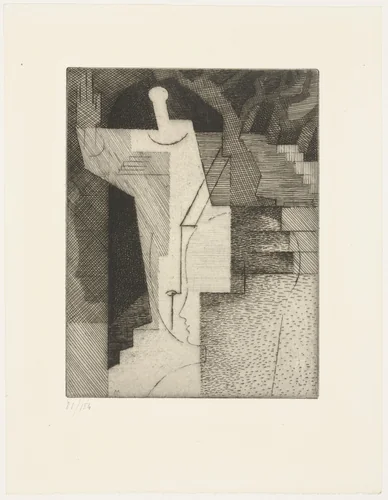
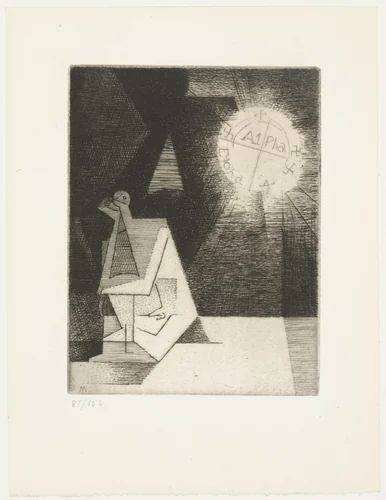
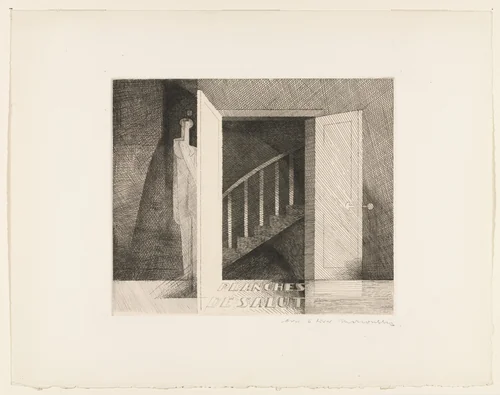
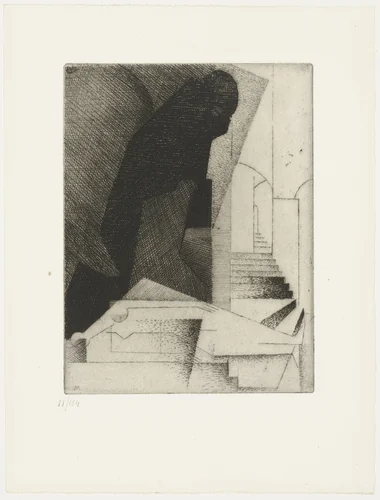
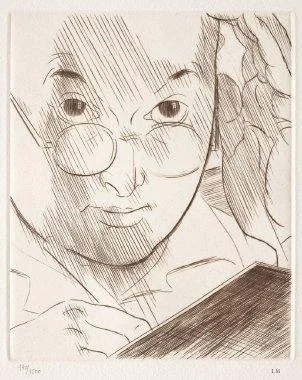
Marcoussis’s lasting impact rests largely on his ability to translate the complex geometry of Cubism into the intimate scale of the graphic arts. Works such as the perceptive Portrait of Guillaume Apollinaire, the literary Gertrude Stein, and the evocative urban study Night Café demonstrate his refined handling of line and shadow. Today, researchers and enthusiasts can access many examples of Louis Marcoussis prints through major international institutions, including the Museum of Modern Art and the Cleveland Museum of Art. These important pieces, now frequently entering the public domain, offer museum-quality access to the foundational period of Parisian modernism.
Source: Wikipedia · CC BY-SA 4.0