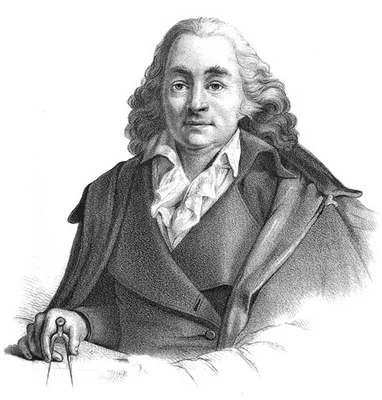
Louis Jean Desprez
Louis Jean Desprez (active 1743-1774) occupies a significant position in the transitional phase between late Baroque spectacle and the emerging visual logic of Neo-classicism. Trained originally in Paris, Desprez established a dual career as a highly versatile painter and architect before accepting a commission that relocated him to Sweden, where he would influence courtly and cultural architecture for the final two decades of his professional life.
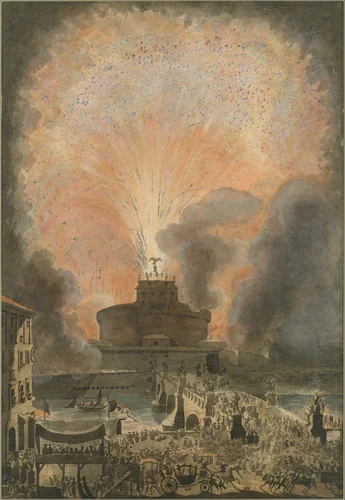
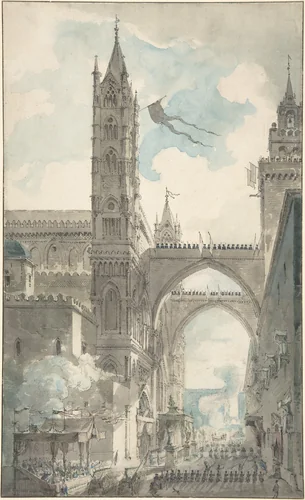
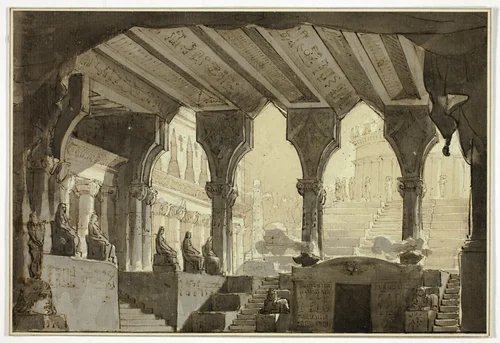
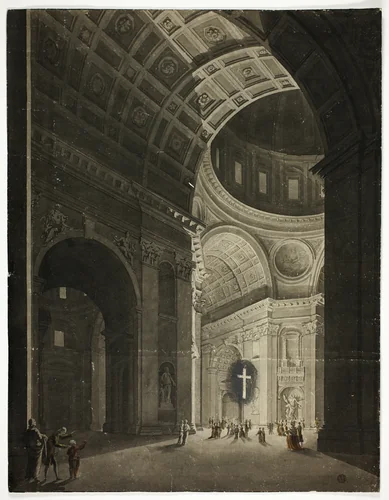
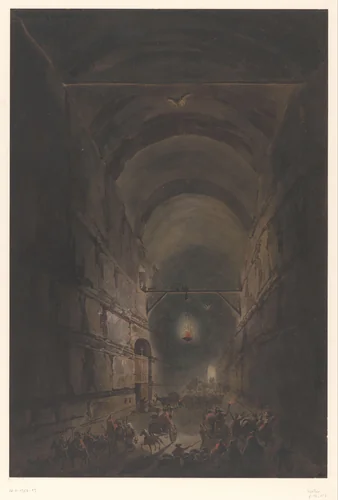
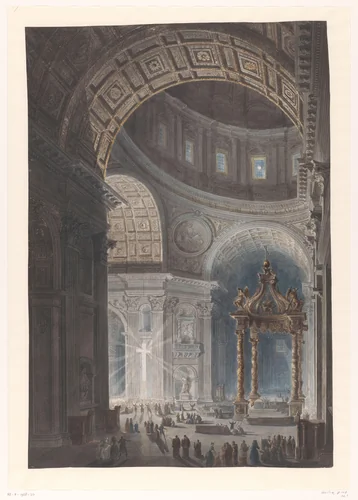
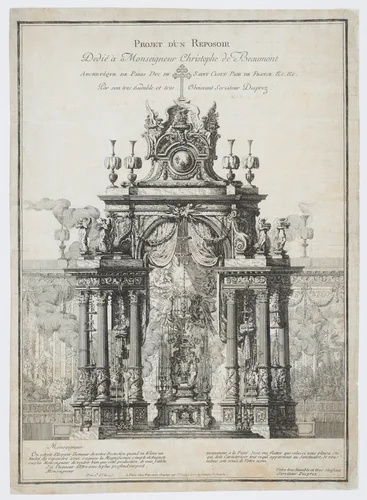
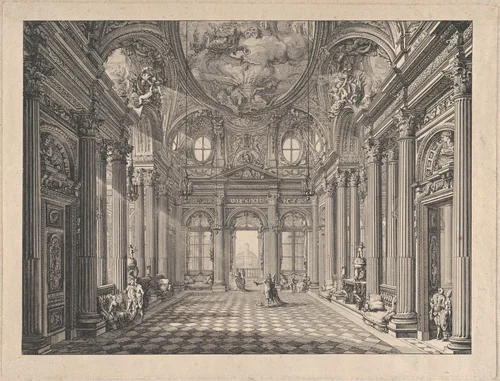
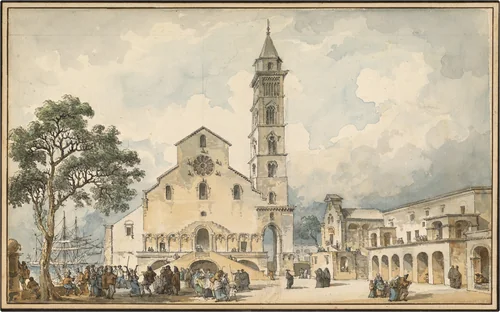
Desprez excelled particularly in the field of scenic design and dramatic architectural renderings. His works are characterized by an acute understanding of perspective and a theatrical flair that allowed him to capture the grand scale of public festivals and historical monuments. This specialized vision is evident in iconic pieces such as the dynamic etching The Girandola at the Castel Sant’Angelo, which captures the famous Roman fireworks display, transforming a fleeting event into a permanent moment of visual intensity. Similarly, his View of the Portal and Principal Entrance of the Cathedral of Palermo during the Festival of Sta. Rosalia demonstrates his ability to integrate temporary structures and teeming crowds into a cohesive and monumental whole.
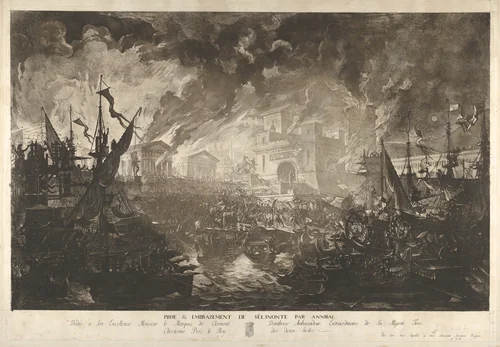
His practice often blurred the lines between architectural drafting and pure painting, especially in his ambitious historical scenes, such as The Capture of Selinus by Hannibal, which employs a stage designer’s precision for positioning figures within a dramatic, ruined landscape. It is perhaps this facility for designing large-scale illusion that made him such a valuable asset to the Swedish court, necessitating the creation of precise Louis Jean Desprez prints for distribution and study.
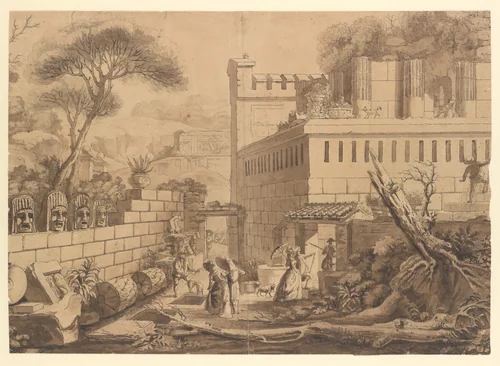
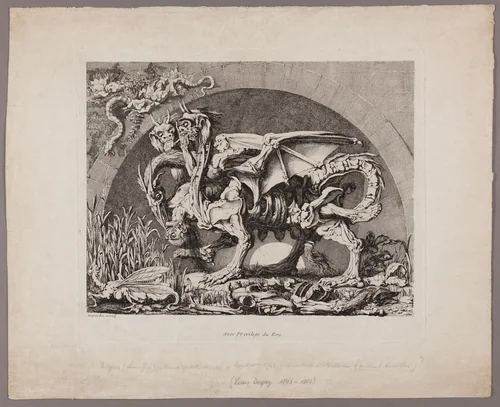
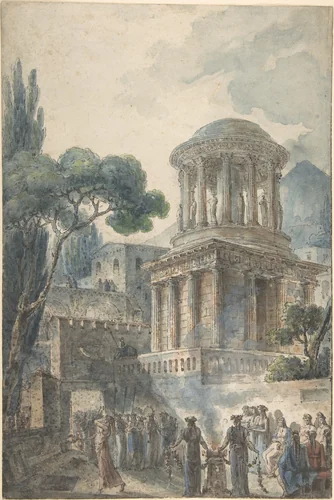
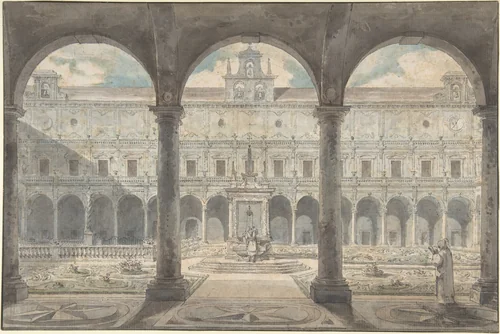
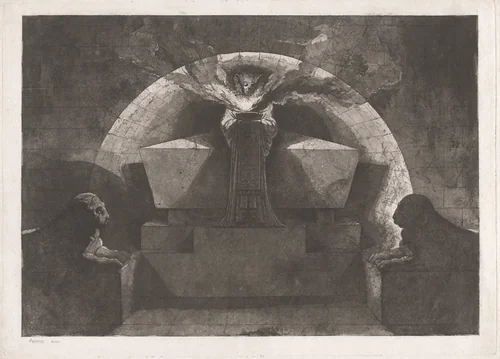
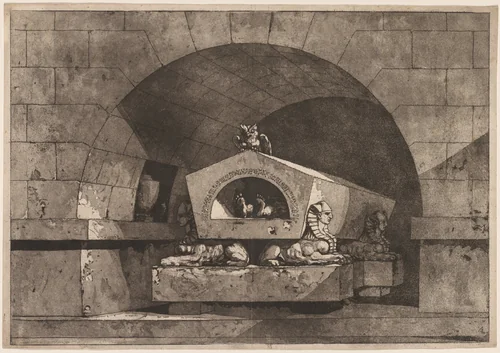
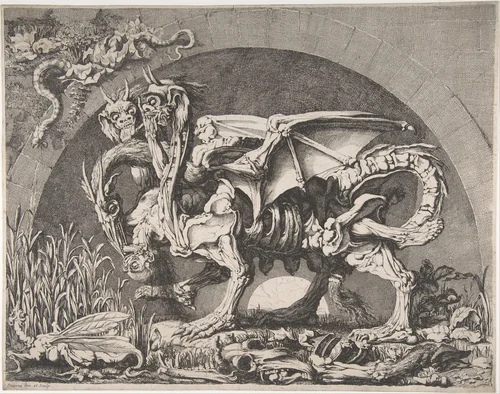
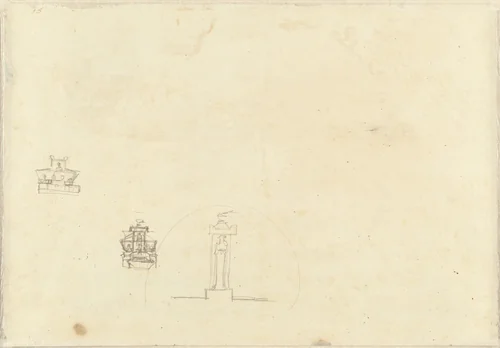
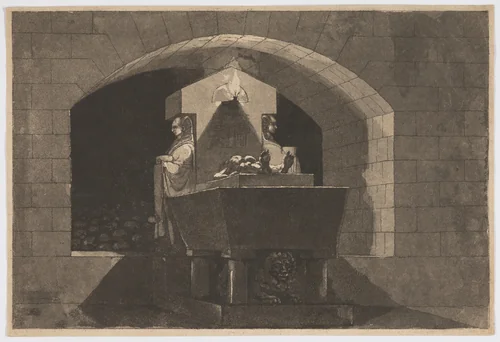
Though celebrated in his time, Desprez’s lasting influence resides largely in the compelling quality and complexity of his graphic works. They provide vital records of 18th-century festival culture and innovative architectural concepts, establishing a museum-quality benchmark for documentation. One curious element of his production is how frequently his Untitled drawings, often quick studies of figures and perspectives, reveal the rapid, underlying competence required for his grand productions—an efficient master, unwilling to waste a single sheet of paper. Due to their age and historical importance, many of his key compositions are now securely in the public domain, making high-quality prints of his spectacular designs readily accessible for researchers and collectors worldwide.
Source: Wikipedia · CC BY-SA 4.0