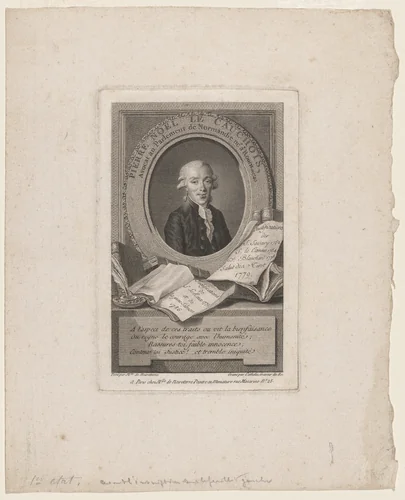
Louis Jacques Cathelin
Louis-Jacques Cathelin (1738-1804) was a highly proficient French engraver whose career coincided with the final, volatile decades of the Ancien Régime. Active primarily between 1774 and 1786, Cathelin specialized in translating oil paintings into detailed copperplate engravings, a crucial medium for disseminating visual information and establishing public identities in the late 18th century.
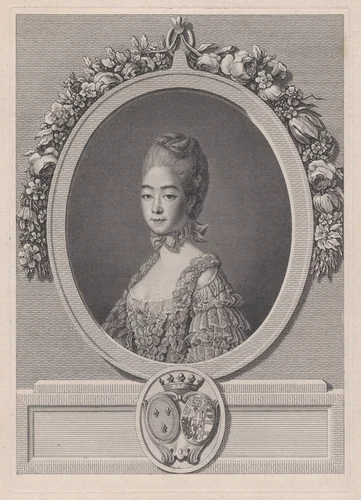
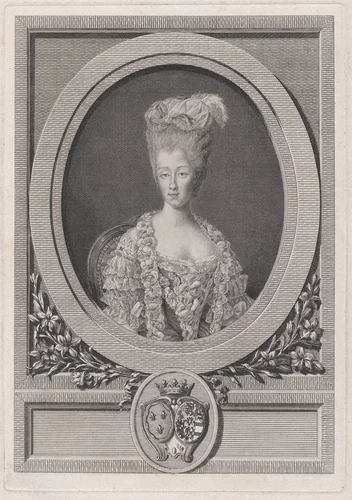
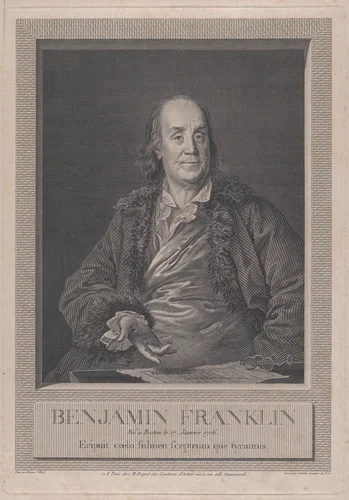
Cathelin’s primary output focused on high-status portraiture, linking him directly to both aristocratic circles and the burgeoning transatlantic Enlightenment. His commissions included dignified representations of the French royal family’s extended sphere, notably the formal Portrait of Marie Joséphine of Savoy, Countess of Provence and the companion piece featuring Maria Theresa of Savoy, The Countess d'Artois. Demonstrating the era's complex blend of traditional patronage and modern celebrity, Cathelin also created a definitive likeness of the celebrated polymath, Portrait of Benjamin Franklin, ensuring the American’s visage was widely known across European capitals.
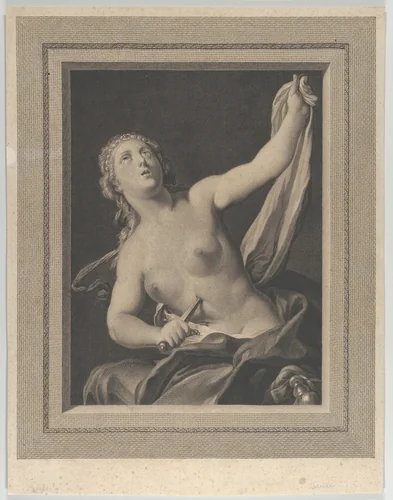
While perhaps best known for his royal and public figures, the engraver also demonstrated versatility in handling historical and mythological subjects. His dramatic plate Lucretia seated, half naked, stabbing herself in the stomach serves as an example of his ability to interpret complex narrative scenes, often derived from Old Masters like Pellegrini. This technical breadth confirmed his importance not merely as an artisan, but as a critical interpreter helping to shape the era’s popular artistic sensibilities. The very specificity of the titles he utilized, detailing the scene and often naming the source painter, underscores the professional economy of reproduction that defined his working life.
The works of Louis Jacques Cathelin prints provide a sharp, precise visual history of the period. While biographical details regarding his later years are scant, the lasting quality of his output ensures his relevance. Examples of his exacting craftsmanship are now preserved in museum-quality collections globally, including the Metropolitan Museum of Art and the National Gallery of Art. Because of their age and significance, many of these historic images have entered the public domain and are available today as downloadable artwork.
Source: Wikipedia · CC BY-SA 4.0