Louis Fabritius Dubourg
Louis Fabricius Dubourg (1693–1775) was an accomplished Dutch artist whose work spanned the disciplinary divide between painting and printmaking during the first half of the 18th century. Active primarily between 1703 and 1747, Dubourg secured his reputation as an academic painter specializing in rigorous historical scenes and classical mythology, alongside the production of expertly rendered arcadian landscapes. His methodical approach to composition and draughtsmanship ensured his continued influence in the academic circles of his era.
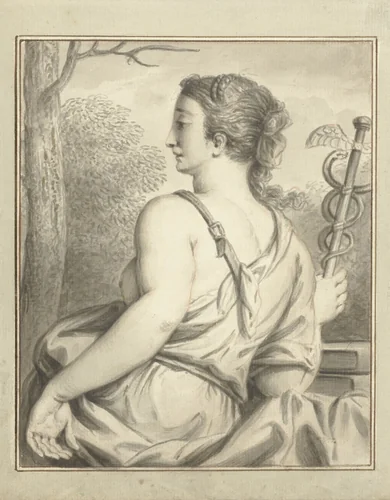
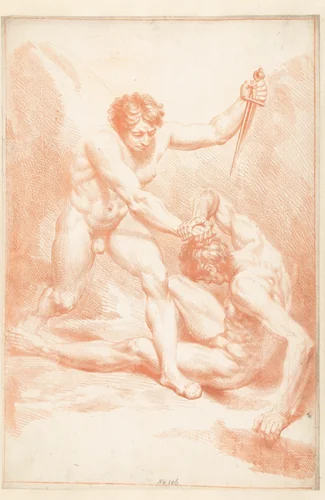
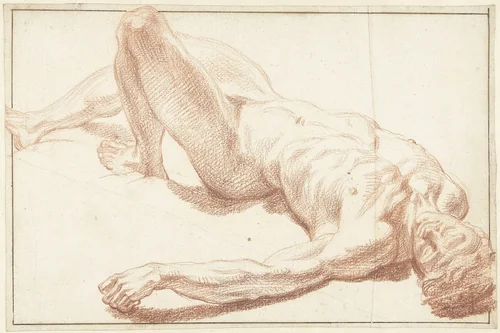
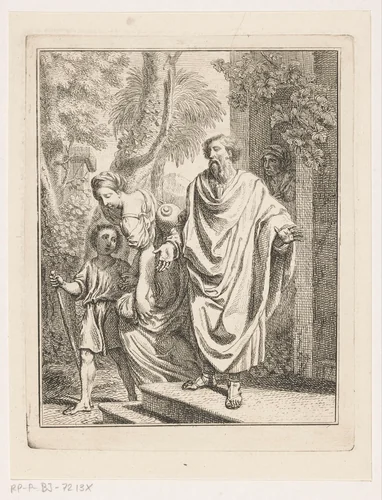
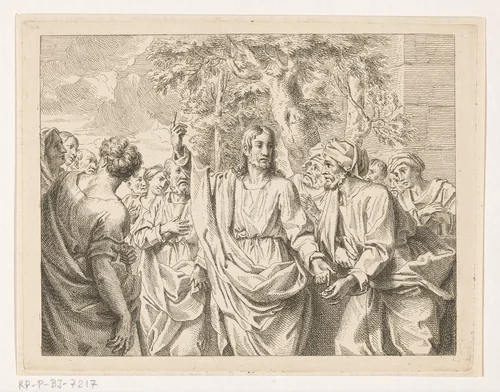
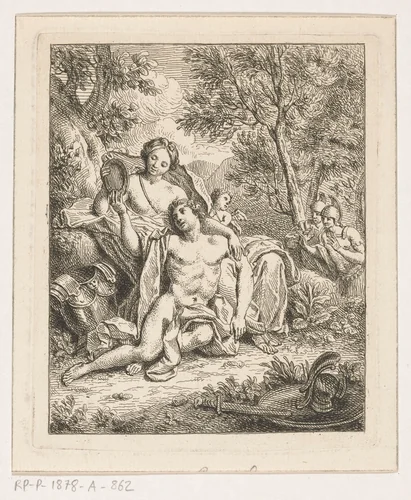
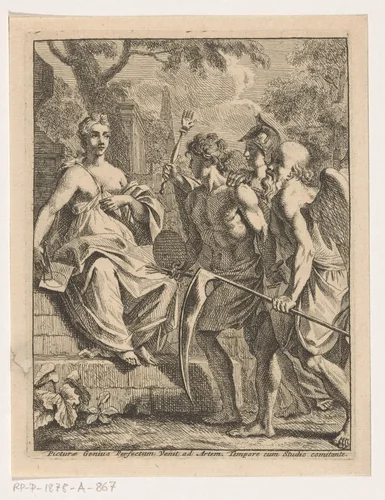
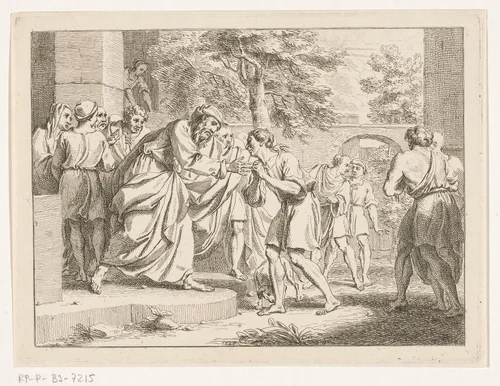
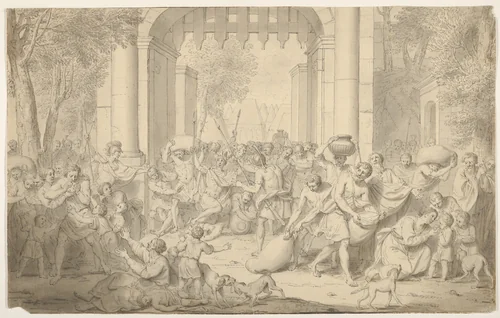
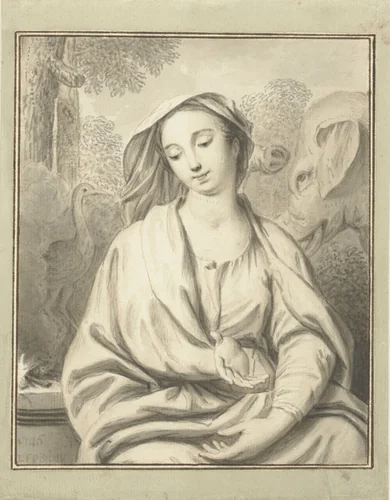
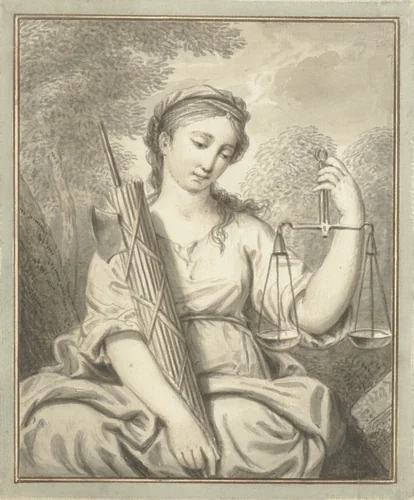
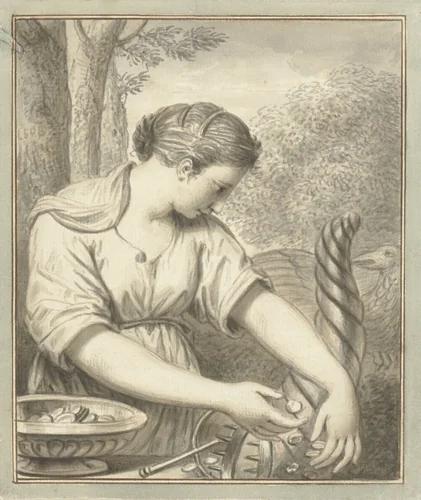
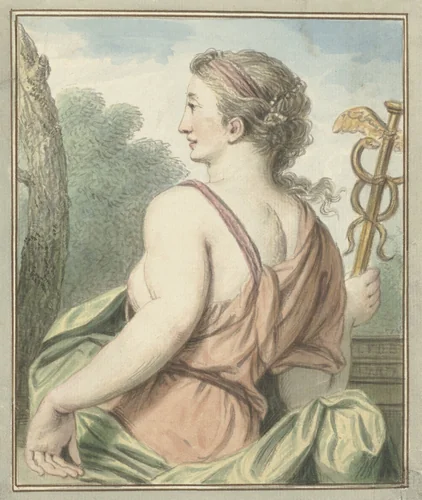
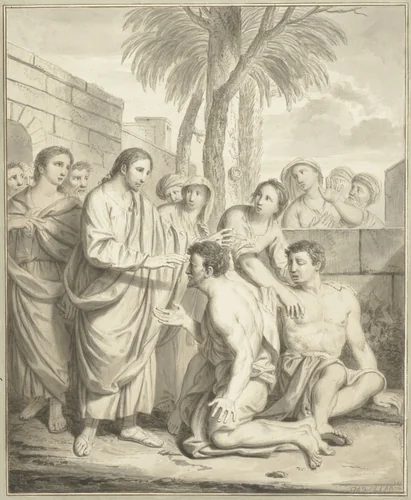
Dubourg's output demonstrates a focused devotion to the classical ideals of form and narrative. Preparatory works, such as the meticulous Studie van mannelijk naakt, liggend op de rug, met gestrekt been, illustrate the exacting standards of anatomical realism required in the 18th-century academy. This foundational rigor was then applied to complex allegorical and historical scenes. Whether examining the rhetorical force needed for subjects like De Welsprekendheid or depicting dramatic biblical narratives, such as Abraham verdrijft Hagar en Ismaël, Dubourg employed a firm, decisive line in both his paintings and his engravings. The survival of eight distinct prints and seven drawings speaks volumes about his dual mastery of oil and etching techniques.
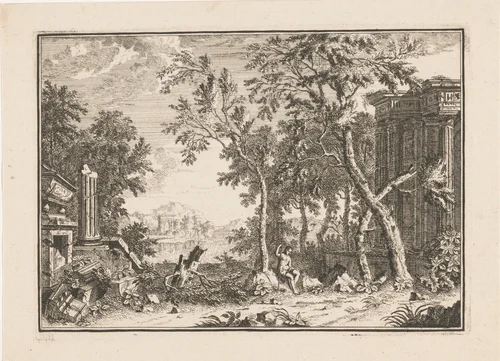
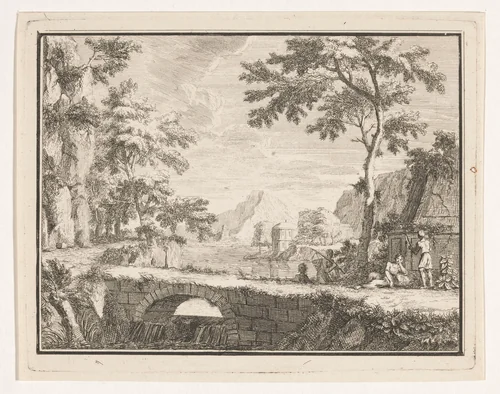
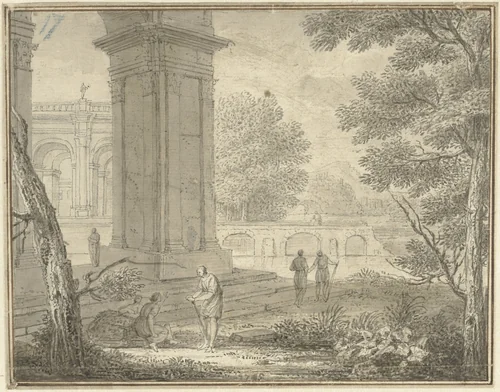
A central thread in his catalog remains the arcadian ideal. Vistas such as Arcadisch landschap met herder tussen ruïnen locate Dubourg firmly within the pastoral revival favored by continental collectors. These scenes of idealized repose, where figures interact gracefully among classical ruins, suggest that Dubourg preferred the imagined warmth of Southern Europe to the often-grey realities of the Northern Netherlands.
Today, the museum-quality importance of Dubourg’s work is recognized internationally, with examples held in the collections of the Rijksmuseum and the Metropolitan Museum of Art. His legacy, fortunately, extends beyond institutional walls. Many of his precise engravings and drawings are now securely in the public domain, allowing institutions to provide downloadable artwork and high-quality prints that preserve the distinct clarity of his execution for modern scholarly engagement and appreciation.
Source: Wikipedia · CC BY-SA 4.0