Louis de Boullogne
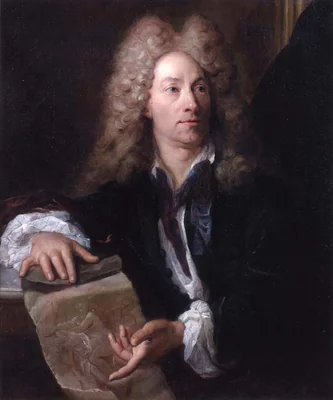
Louis de Boullogne II, known familiarly as Boullogne fils, was an accomplished French painter and member of an influential Parisian artistic dynasty active during the latter half of the seventeenth century. His working life spanned the high-Baroque period, demanding adherence to classical standards of composition and anatomical precision, a mandate he executed with notable technical finesse. While he was formally acknowledged as a painter, much of his enduring scholarly legacy rests upon his rigorous draftsmanship and the substantial collection of preparatory drawings that survive today.
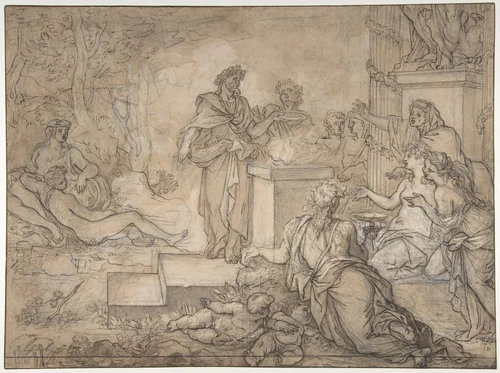
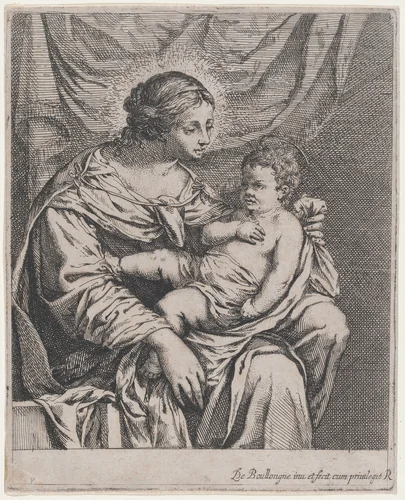
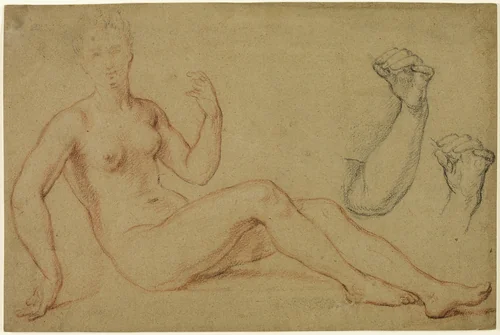
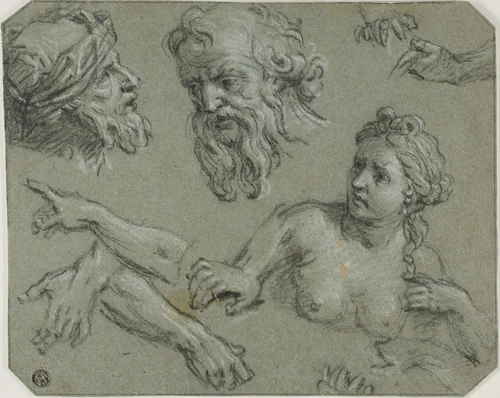
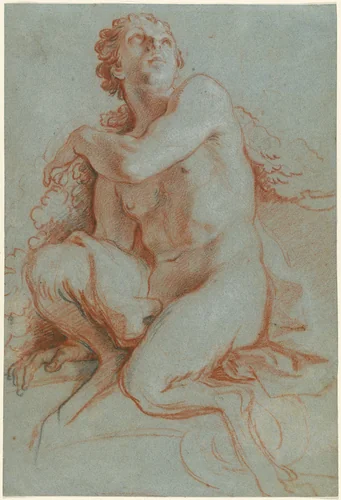
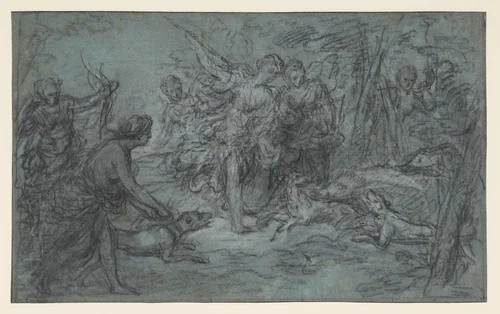
Boullogne’s output showcases an artist deeply engaged with the technical and narrative expectations of the French Academy. His subjects range from religious themes, such as Madonna and Child before a Curtain, to the classical mythology evidenced in Sacrifice Offered before a Statue of Jupiter. However, it is his dedicated focus on the human form that defines his contribution. Drawings like Seated Female Nude with Sketch of Hand and Sketch of Forearm and the highly descriptive Sketches of Half-Length Female Nude, Male Heads, Arms testify to an intense commitment to academic study, which formed the bedrock of high-level French art at the time.
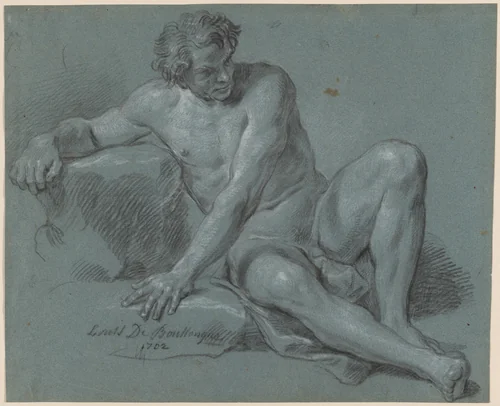
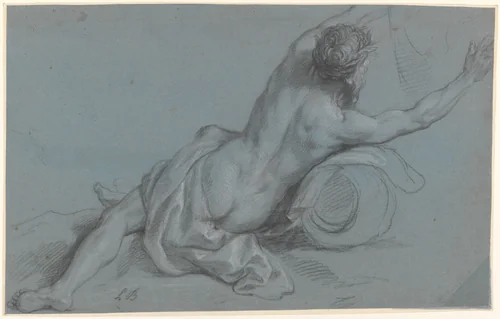
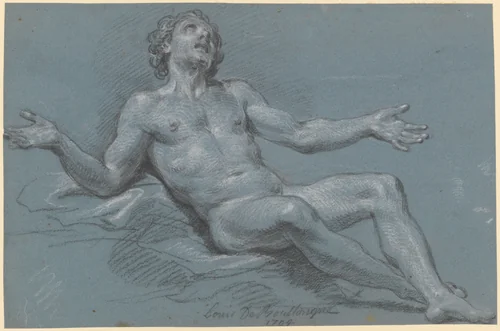
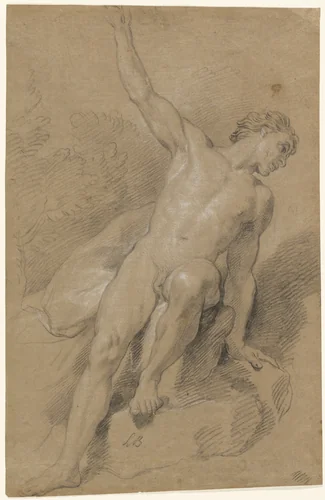
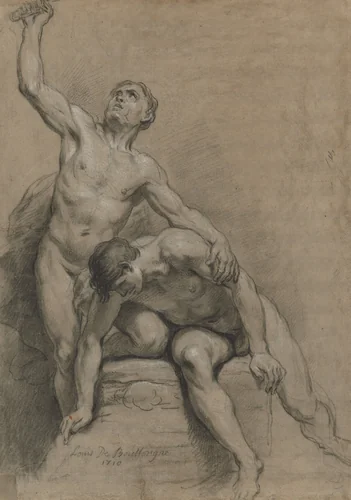
His preparatory studies, often featuring the figure from multiple angles and positions, suggest an almost obsessive dedication to mastering musculature and gesture before approaching the final canvas. This meticulous approach to rendering, exemplified by the detailed figure study Male Nude Seated on the Ground, underscores the intense, intellectual training required of the period’s students; indeed, one might observe that Boullogne was perhaps happiest and most fluent when engaged in the sheer problem-solving inherent in anatomical drawing.
Though often historically overshadowed by contemporary giants like Poussin or Le Brun, Boullogne's work remains a critical resource for understanding the academic process of the seventeenth century. His drawings and single known print hold significant places in prestigious international institutions, including the National Gallery of Art, the Metropolitan Museum of Art, and the Art Institute of Chicago. Many of these important historical documents are now in the public domain, allowing institutions and researchers access to high-quality prints and downloadable artwork, solidifying the modern appreciation for this historically important classical draughtsman.
Source: Wikipedia · CC BY-SA 4.0