Louis-Auguste Bisson, Auguste-Rosalie Bisson
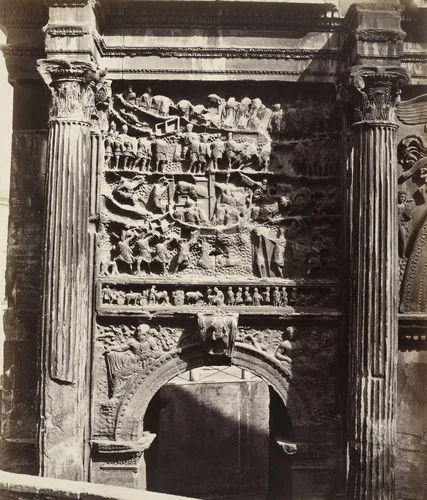
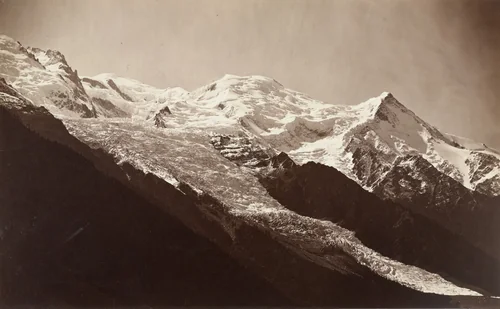
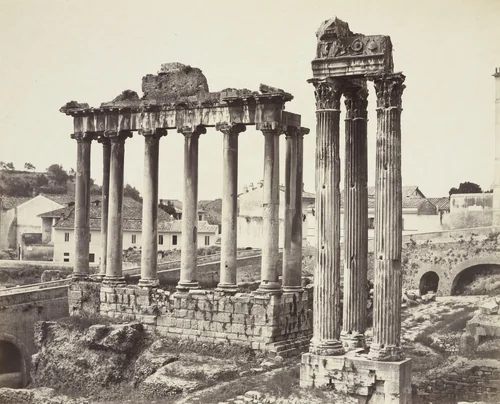
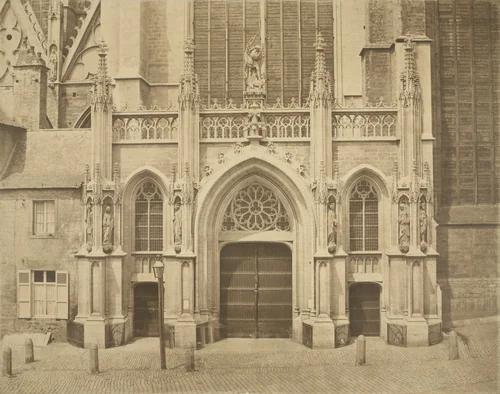
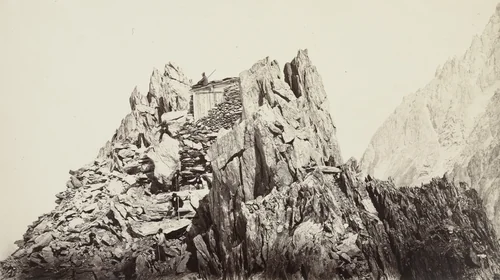
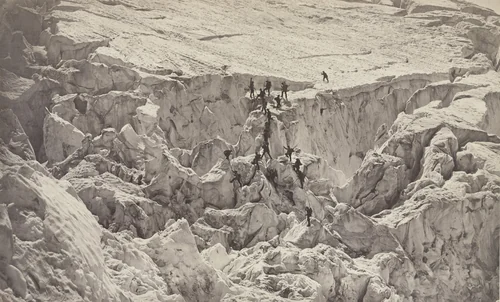
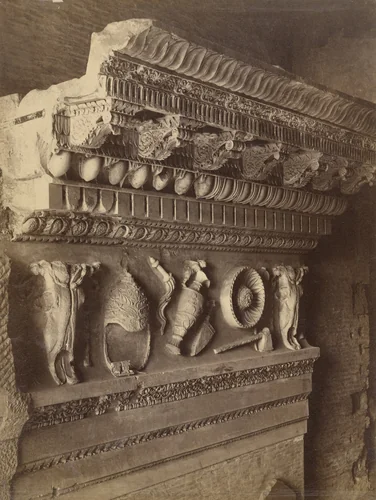
Louis-Auguste Bisson and Auguste-Rosalie Bisson, typically recognized for their collaboration as Bisson Frères, were photographic pioneers active during the decade 1850-1860. Their primary output consisted of architectural studies and large-format photographic prints, meticulously documenting significant European landmarks.
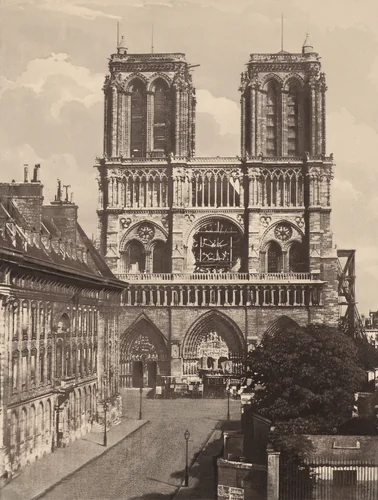
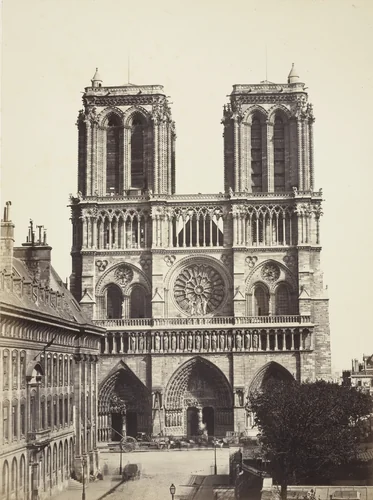
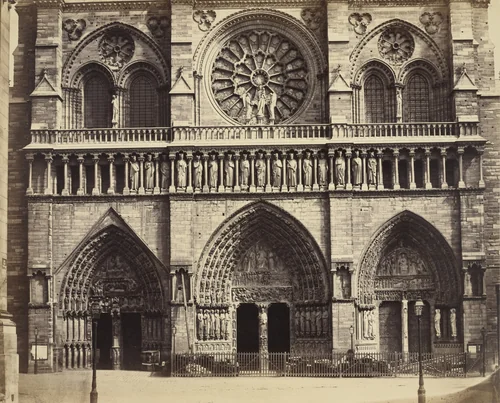
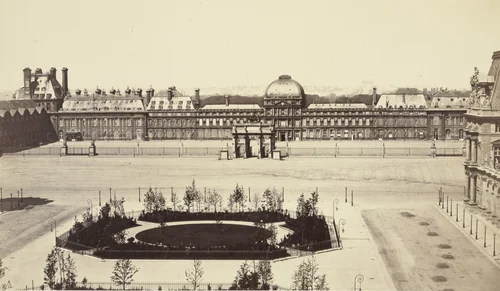
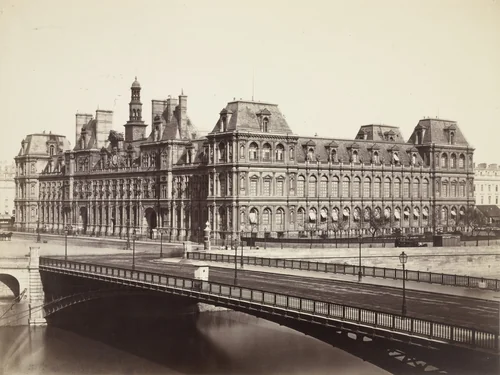
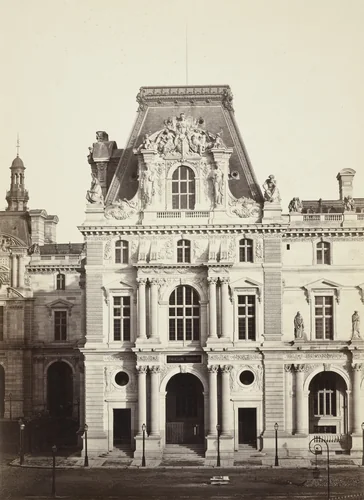
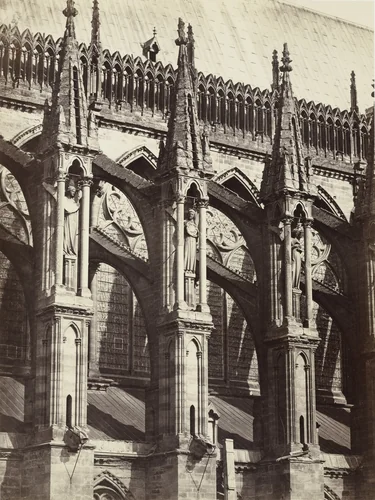
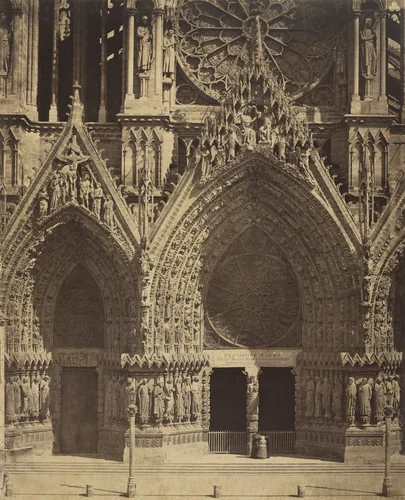
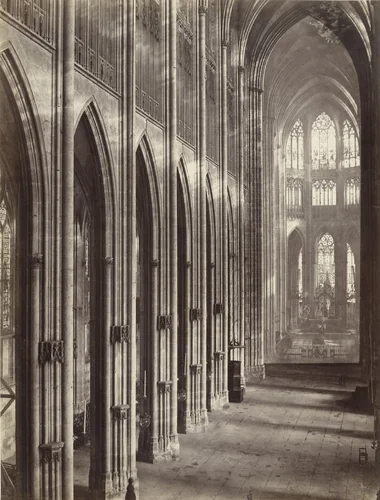
The artists’ verifiable output demonstrates a focus on rigorous architectural documentation. Key works represented in collections include photographs of Parisian monuments such as Notre-Dame, Cathedral of Notre Dame, Paris, Cathedral of Notre Dame, Paris (detail of facade), and Hôtel De Ville, Paris. Other notable urban studies include the Arc du Carrousel and the Palais des Tuillreies.
Approximately fifteen of their photographs are represented in museum collections, confirming their status as historically important figures in early photography. Their work is held in the permanent collections of major institutions, including the National Gallery of Art and the Museum of Modern Art. Today, many Louis-Auguste Bisson, Auguste-Rosalie Bisson prints are available for study as high-quality prints, given that much of their documentation is now in the public domain. These works are frequently cited as museum-quality examples of mid-19th century photographic practice.