Lorenzo Tiepolo
Lorenzo Tiepolo occupies a curious dual position in Venetian history. While the name is famously attached to the Doge who governed the Republic from 1268 until his death, the enduring artistic legacy associated with the name stems from a later figure, likely a skilled printmaker and draftsman active during the mid-eighteenth century (1745-1759).
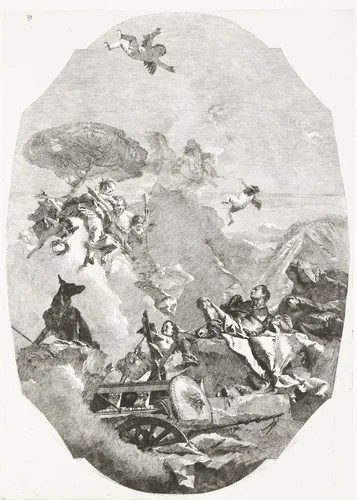
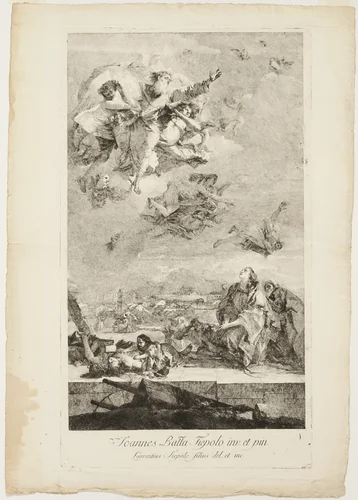
The artist's surviving output is concise and highly refined, consisting of seven prints and two drawings, a small but essential collection that demonstrates significant technical expertise. These works reveal an artist dedicated to exploring the varied visual demands of the Settecento era, equally comfortable rendering intense religious devotion and classical literary drama.
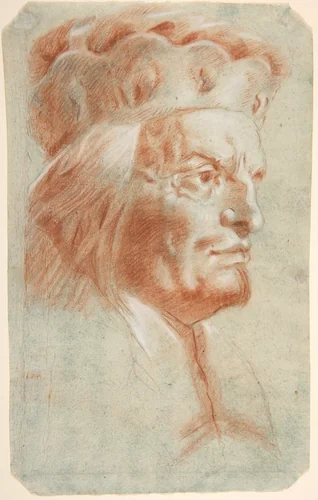
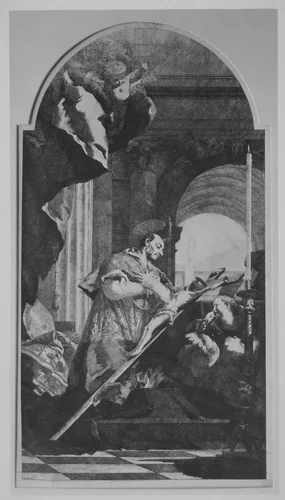
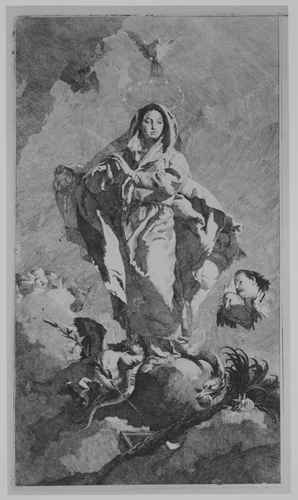
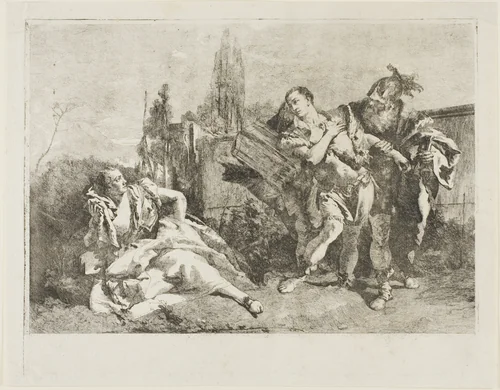
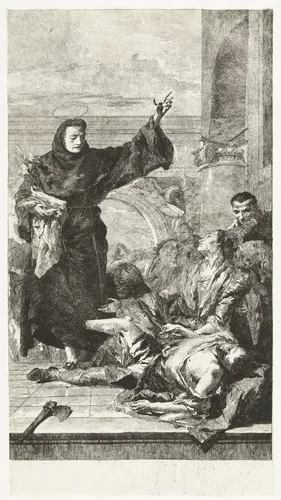
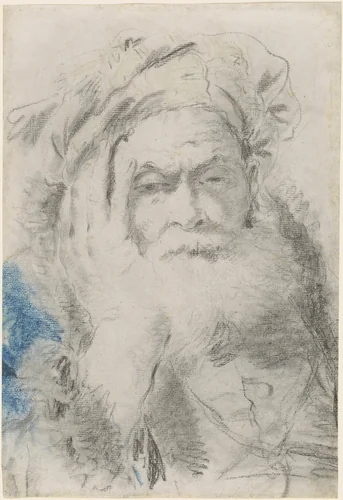
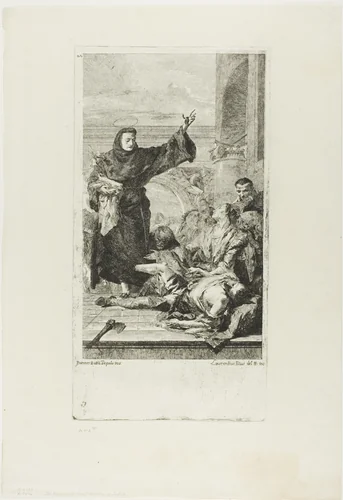
Tiepolo’s graphic work exhibits a distinct clarity of line and psychological penetration. This is evident in studies like Bust-Length Study of a Man Wearing a Hat in Three-Quarter View (a Frankish Nobleman), a drawing prized for its immediacy, and his intense devotional prints, such as Saint Charles Borromeo Venerating the Crucifix. Other important works document his range, moving from the ethereal beauty of The Immaculate Conception to the dramatic mythological scene of Rinaldo Leaving Armida. The inclusion of the etching Heilige Antonius van Padua verricht wonder (Saint Anthony of Padua Performing a Miracle) in the Rijksmuseum collection highlights the broad European circulation and appeal of Lorenzo Tiepolo prints during this period.
It is a quiet historical irony that the name Lorenzo Tiepolo, which once commanded the political machinery of Venice, is now chiefly associated with the intimate scale of the engraver's needle and the deftness of his surviving preparatory studies. Due to the high-quality prints that survived the centuries and the diligent work of cataloging institutions, these works maintain a strong presence in foundational collections. They are held by major institutions including the National Gallery of Art, the Metropolitan Museum of Art, and the Rijksmuseum, ensuring their continuing study and accessibility to scholars interested in the tradition of Italian drawing and graphic arts.