Lorenzo di Credi
Lorenzo di Credi (c. 1459-1537) occupies a distinguished position within the highly competitive landscape of late Florentine Renaissance art, recognized primarily for his meticulous religious paintings and finely wrought portraits. Though his output was not prolific, his sustained refinement of technique and sensitive approach to subject matter ensure his status as a key inheritor of the city’s core artistic traditions. Di Credi’s entire professional life, save for brief excursions to nearby cities, was anchored in Florence, allowing him to absorb and execute the sophisticated demands of local patronage over five decades.
His artistic development was fundamentally shaped by the crucial time he spent in the workshop of Andrea del Verrocchio. Verrocchio’s studio was the preeminent incubator of talent in Quattrocento Florence, and it was here that di Credi worked concurrently with the young Leonardo da Vinci. This shared environment proved pivotal. While Verrocchio instilled the foundation of sculptural precision, it was the influence of Da Vinci’s early methods, particularly the subtle modeling through sfumato, that profoundly impacted di Credi’s mature style.
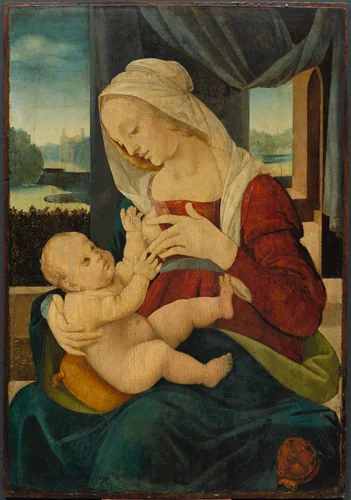
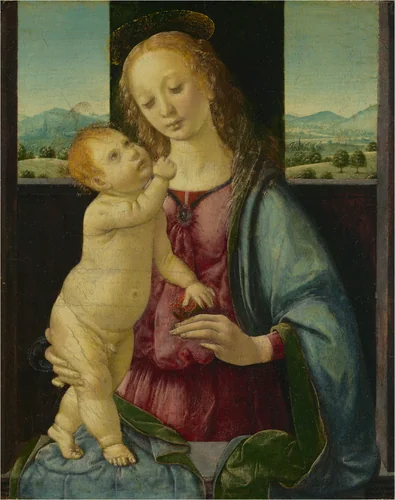
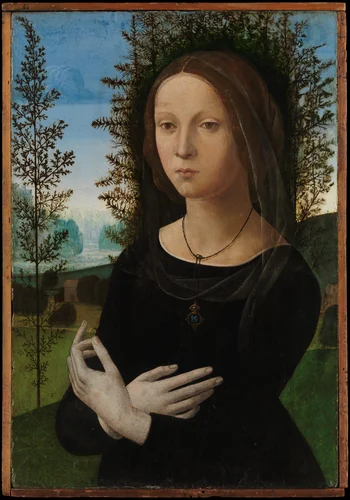
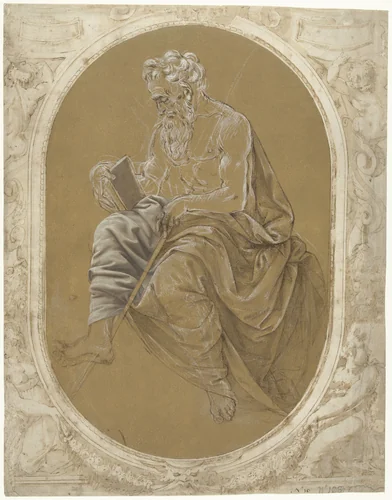
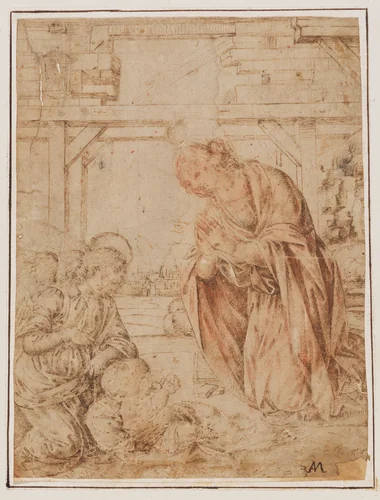
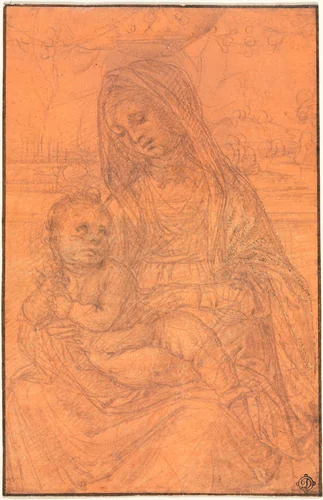
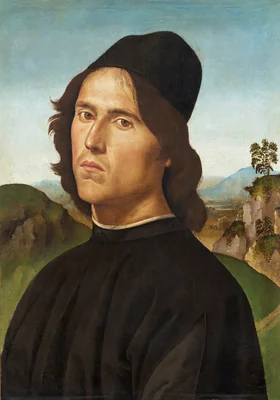
Di Credi’s most celebrated Lorenzo di Credi paintings display a characteristic luminosity in the flesh tones, often achieved through delicate glazing, and an emotional reserve that defines his particular sensibility. He excelled at the widely requested theme of the Virgin and Child, contributing definitive examples such as the Madonna and Child with a Pomegranate and the complex devotional panel Madonna Adoring the Child with the Infant Saint John the Baptist and an Angel. Di Credi had a particular gift for portraiture, evidenced by works like the Portrait of a Young Woman, which capture a polished, perhaps slightly anxious, Florentine expression of the era.
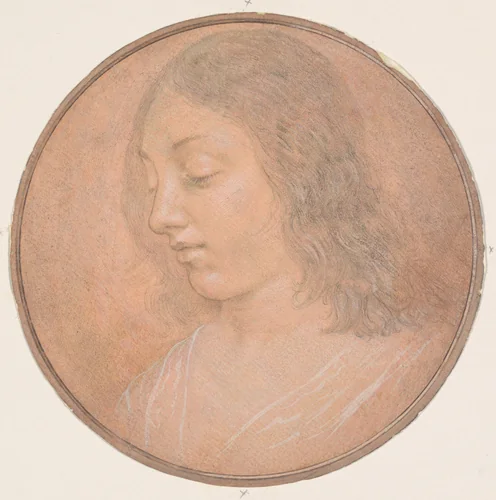
Today, his oeuvre, which includes eight documented works across painting and drawing, is preserved in collections of the highest caliber, including the Rijksmuseum and the Metropolitan Museum of Art. Because of the age of these creations, many of the artworks have entered the public domain. Consequently, museum-quality documentation of these pieces is often available as downloadable artwork, offering students and admirers access to high-quality prints of Di Credi’s masterful contributions to the Renaissance.
Source: Wikipedia · CC BY-SA 4.0