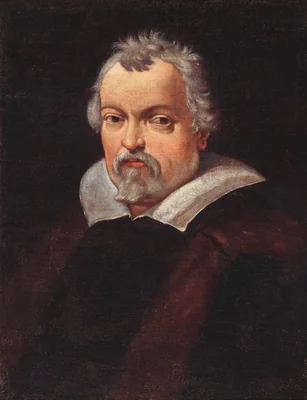
Lodovico Carracci
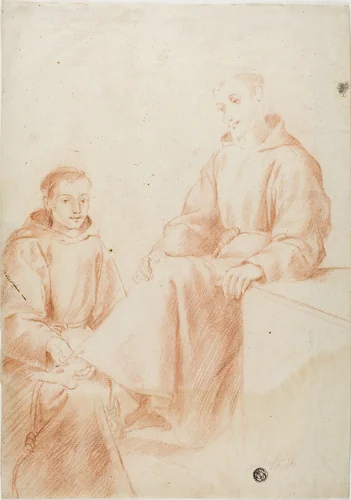
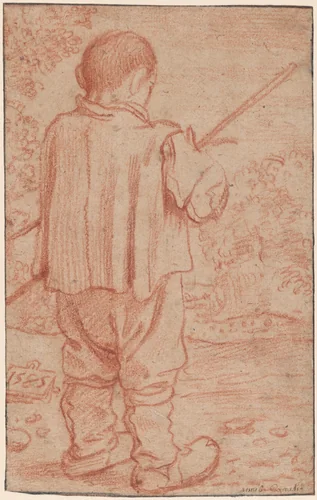
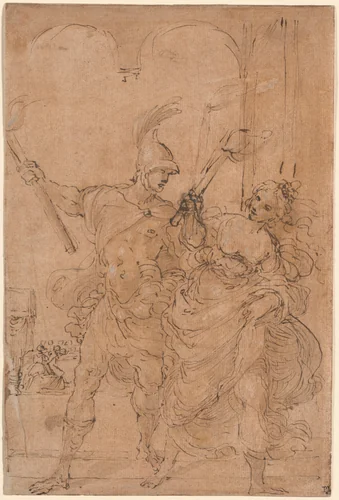
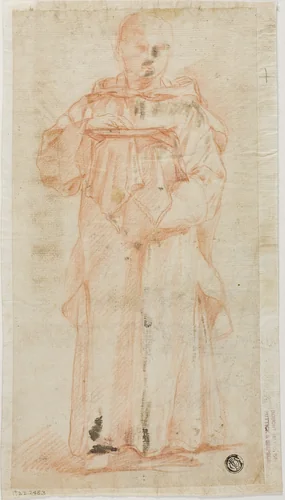
Lodovico Carracci (1555-1619) stands as a foundational figure in the transition from late Mannerism to the emotive dynamism of the early Baroque. A painter, etcher, and printmaker active primarily in Bologna, Carracci was instrumental in reforming the artistic climate of the late Cinquecento, moving away from prevailing intellectualized formalisms. Alongside his cousins, Agostino and Annibale, he championed a style rooted in direct spiritual communication, setting the stage for the dramatic flair that would define 17th-century Italian art.
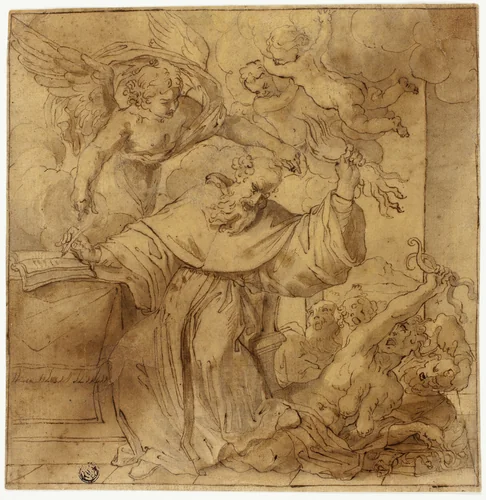
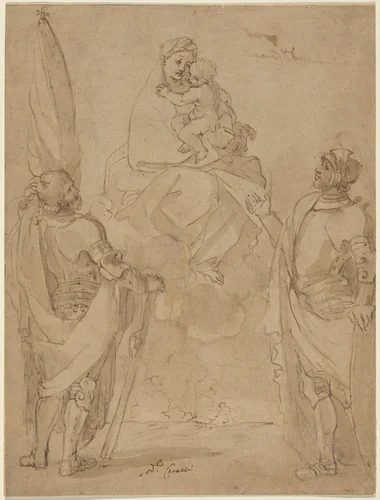
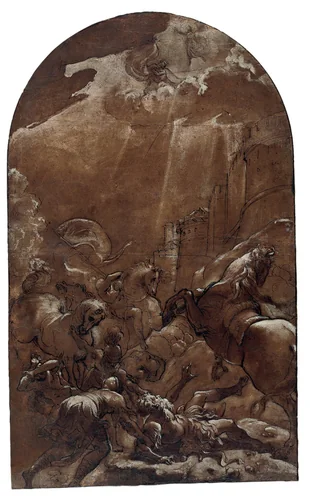
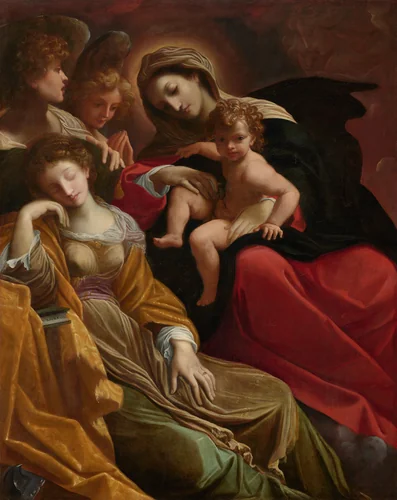
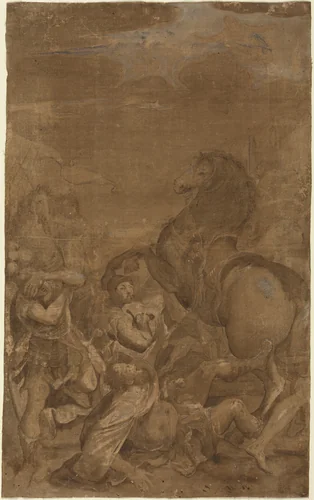
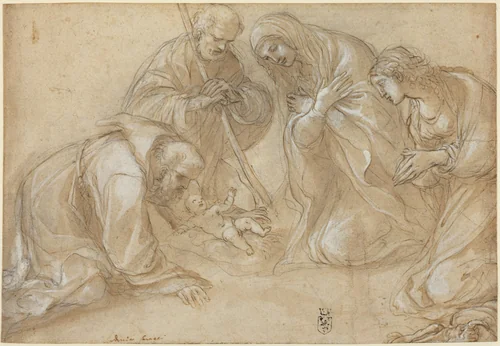
Carracci’s technical mastery is characterized by a deliberate manipulation of light and shadow, not merely for illumination but to intensify psychological and spiritual impact. His compositions, such as the powerful Temptation of Saint Anthony or the complex The Virgin and Child Appearing to Saints George and William, utilize broad, legible gestures and sharply flickering light to generate profound emotional states. This focus on pathos represented a conscious rejection of the often static, academically complex figures popular among late Mannerist practitioners.
Carracci’s innovations successfully reinvigorated Italian painting, particularly the demanding art of fresco, which had become subsumed by overly formalistic tendencies. By combining the rich colorism of the Venetian school with the Florentine emphasis on disegno, he forged a balanced yet profoundly moving style credited with laying the groundwork for the Roman Baroque movement.
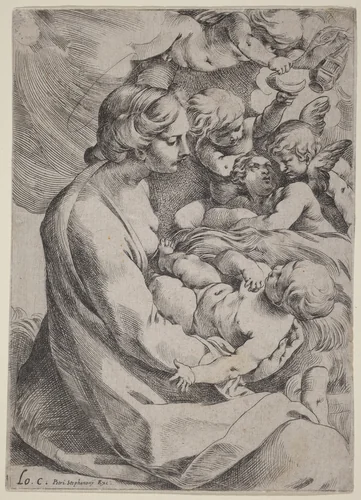
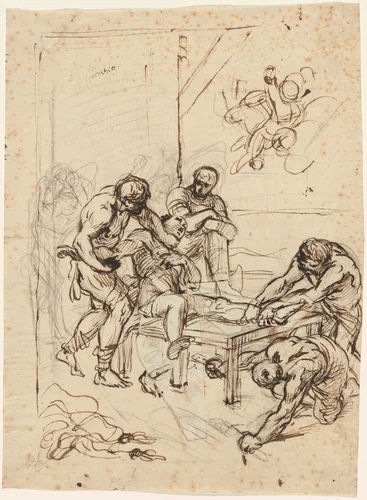
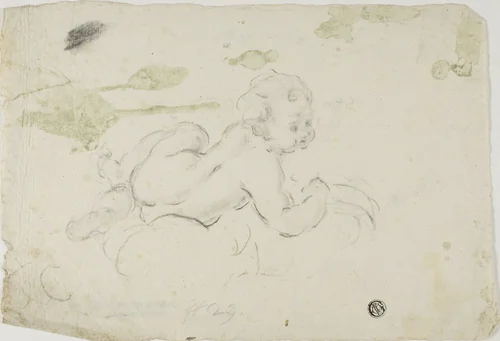
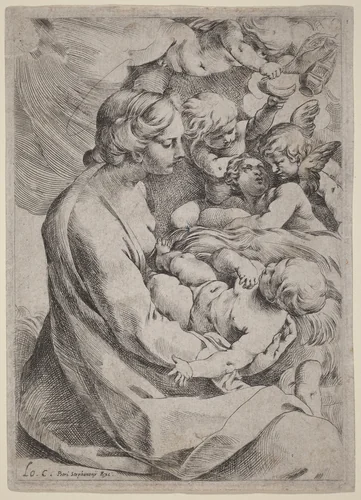
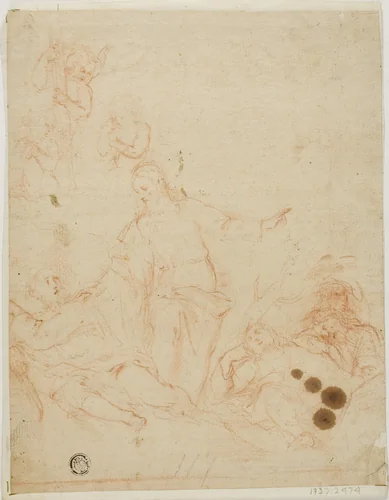
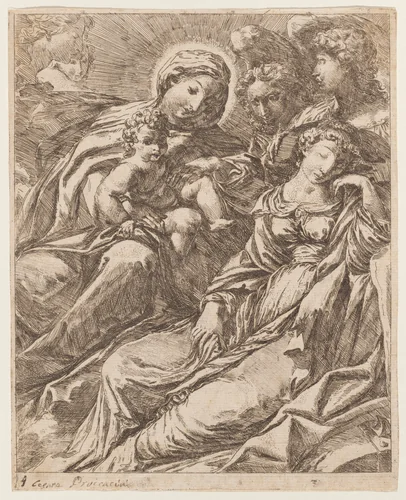
While the record shows a prolific output of drawings and prints, Lodovico Carracci paintings, such as Madonna and Child with Angels and The Martyrdom of Saint Lawrence, continue to be studied for their compositional rigor and emotional depth. His works are held in major institutions globally, including the Art Institute of Chicago and the National Gallery of Art. One understated observation often made about Carracci is his unusual dedication to teaching; his commitment to developing a comprehensive curriculum ensured that the Bolognese school became the foremost training center in Italy for the subsequent generation. Today, many of these important historical works are available for study as downloadable artwork in the public domain, allowing contemporary viewers to fully appreciate the depth of his contribution.
Source: Wikipedia · CC BY-SA 4.0