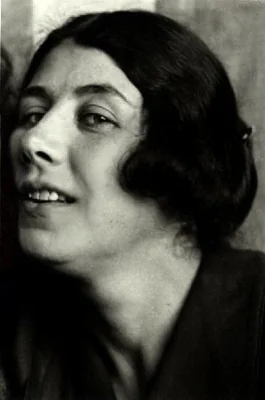
Liubov Popova
Liubov Sergeyevna Popova (1889-1924) stands as a pivotal force within the tumultuous and profoundly innovative period of the Russian-Soviet avant-garde. An artist, painter, and designer, her career spanned a crucial seven-year window, 1914 to 1921, during which she systematically explored, mastered, and often dissolved the boundaries between painting, graphic design, and pure architectural form. Her work represents one of the most rigorous and disciplined investigations into non-objective painting initiated in the 20th century.
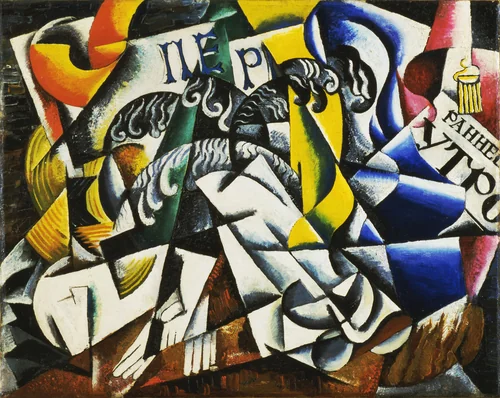
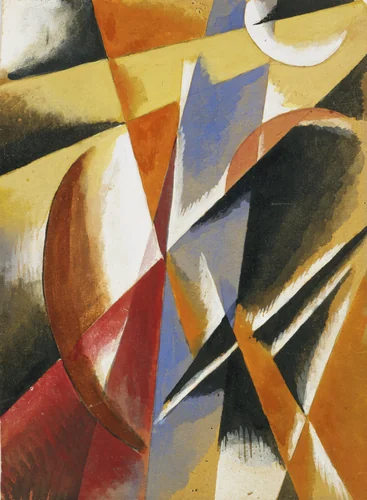
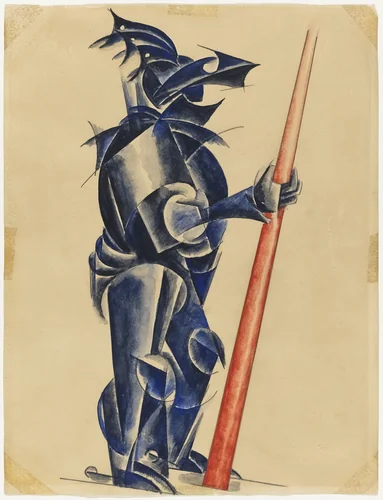
Initially influenced by Parisian art following her 1912 studies, Popova swiftly integrated the formal dissection of Cubism with the dynamism of Russian Futurism. This synthesis resulted in a powerful personal style known as Cubo-Futurism, characterized by overlapping planes, rhythmic energy, and an interest in depicting objects through layered texture. This approach is strikingly evident in early works such as Objects from a Dyer's Shop. Her methodology was rooted in structural logic rather than mere representation, viewing the canvas as a laboratory for organizing materials and forces.
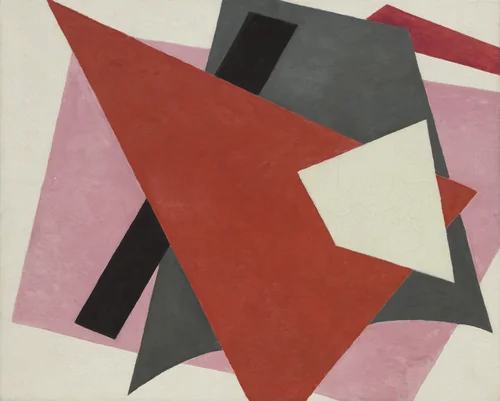
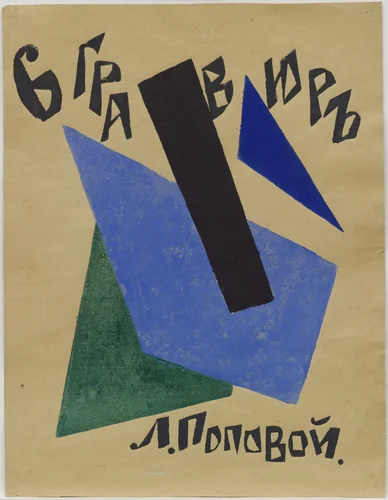
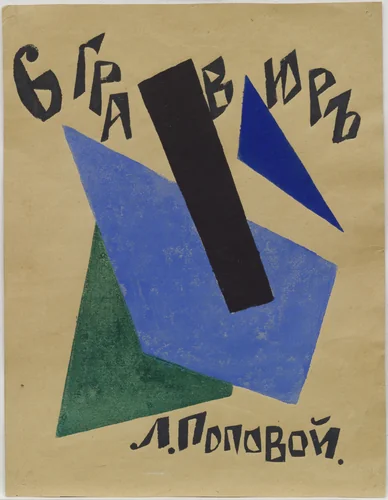
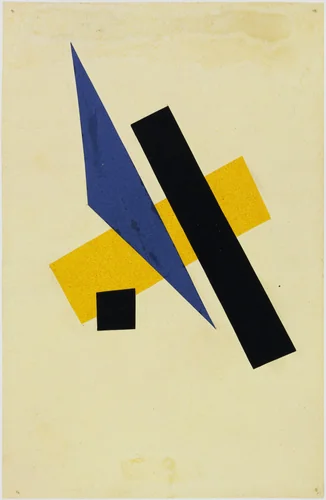
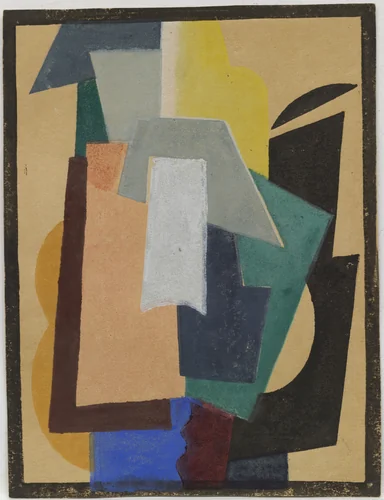
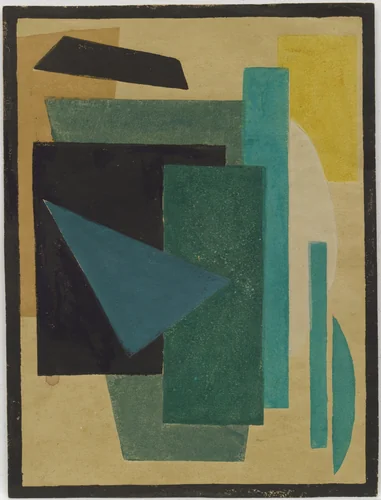
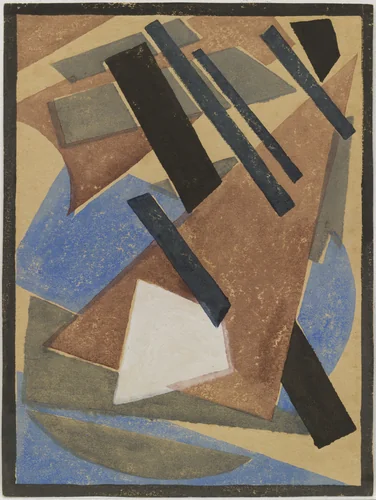
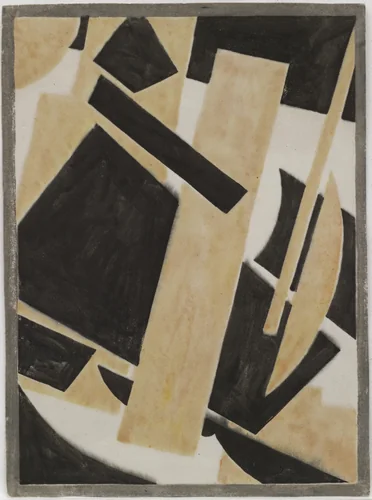
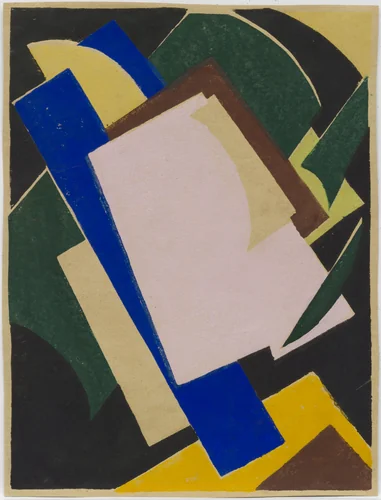
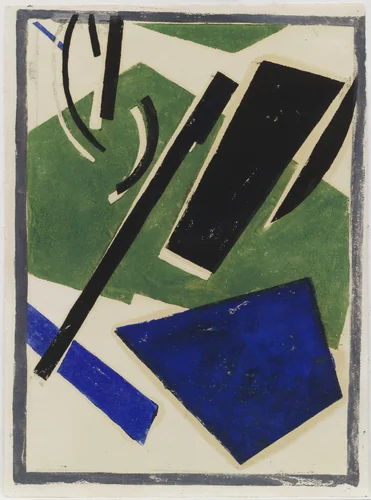
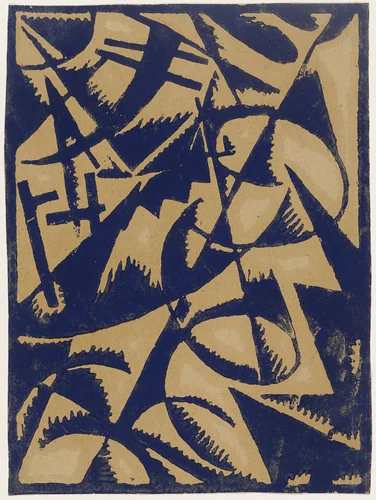
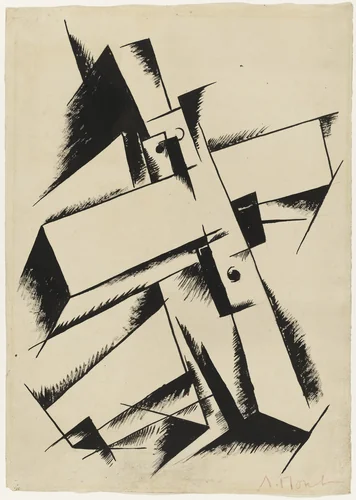
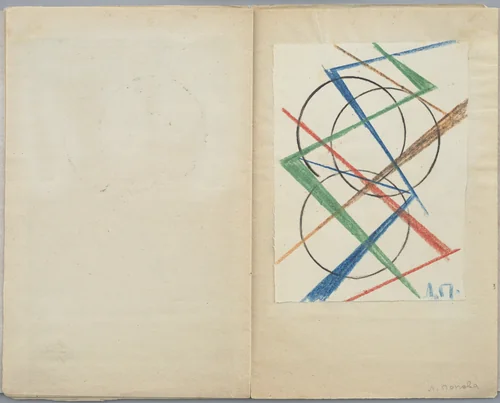
By 1918, Popova moved fully toward geometric abstraction, integrating principles of Suprematism under the influence of Kazimir Malevich before quickly progressing toward Constructivism. Her celebrated cycle of works, the Painterly Architectonics, demonstrates this shift. These compositions, built from densely painted slabs of color, emphasize tension, rhythm, and material structure over spiritual transcendence. Her approach to composition was so precise that the resulting high-quality prints and drawings, such as the suite Six Prints, feel less like static images and more like blueprints for complex machines. Unlike many of her contemporaries who focused solely on geometric purity, Popova maintained a distinct, almost tactile fascination with the surface quality of her Liubov Popova paintings; she often incorporated sand, plaster, or metallic powders to push the optical limits of texture.
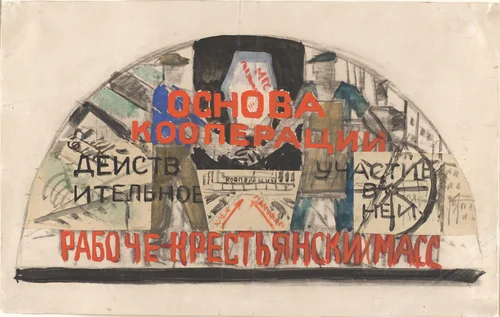
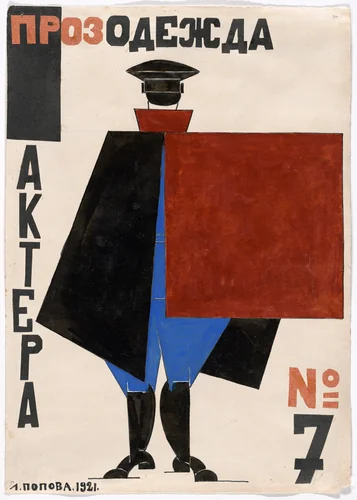
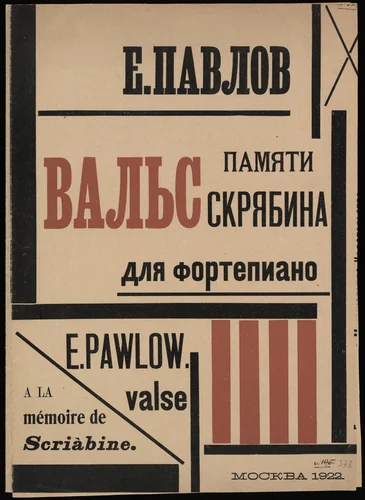
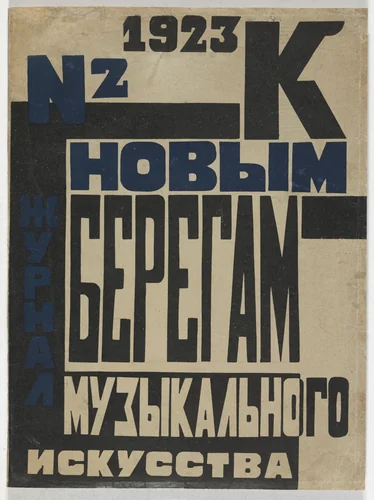
Popova’s intense dedication to pure structure led her, in the early 1920s, to abandon easel painting entirely in favor of applied art and industrial design, believing that her innovations should serve the new society directly through textiles, typography, and theater. Her commitment to functional art, though tragically cut short by her early death, cemented her legacy as a designer of staggering foresight. Today, major collections, including the Museum of Modern Art, hold significant examples of her output, ensuring that her pioneering works remain central to the understanding of modernist abstraction. Many of her designs are increasingly available in the public domain for scholarship and appreciation as downloadable artwork.
Source: Wikipedia · CC BY-SA 4.0