Linnaeus Tripe
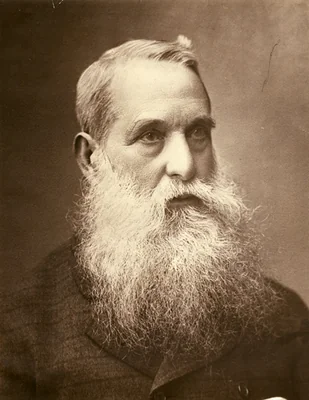
Linnaeus Tripe was a pivotal figure in the development of photographic documentation, defining the visual record of South Asia during a period of intense historical transition. A British pioneer, Tripe is primarily celebrated for the high-quality prints resulting from his expeditions across India and Burma (now Myanmar) between 1852 and 1855. This intensely focused four-year period of activity established him as one of the earliest photographers to successfully capture complex foreign architecture and landscapes in remote environments.
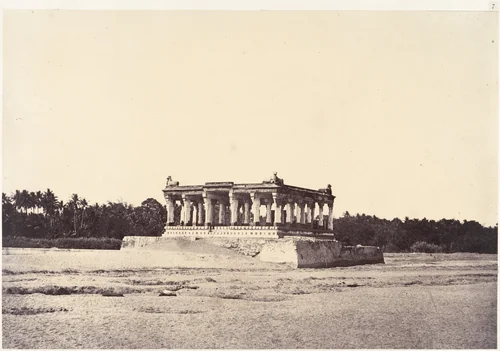
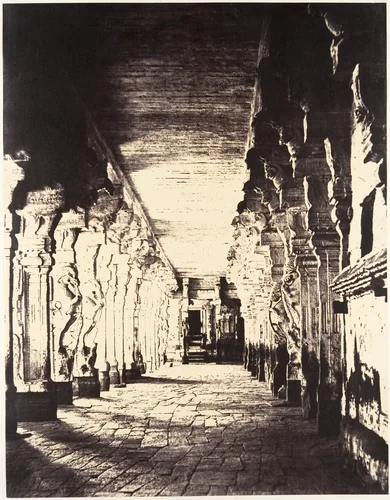
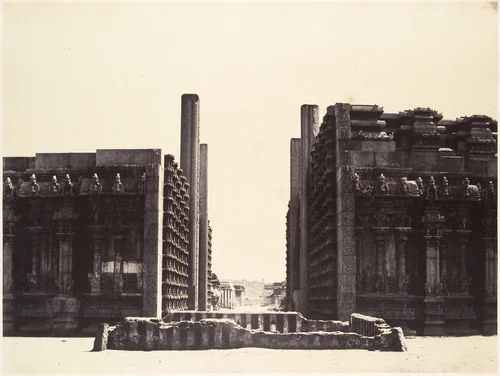
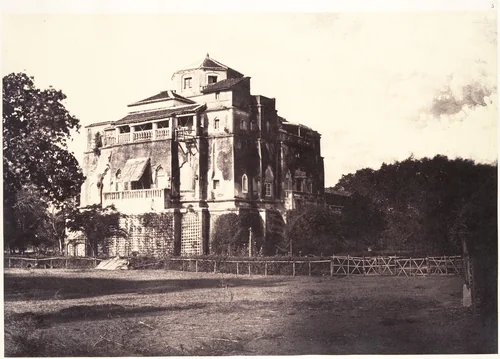
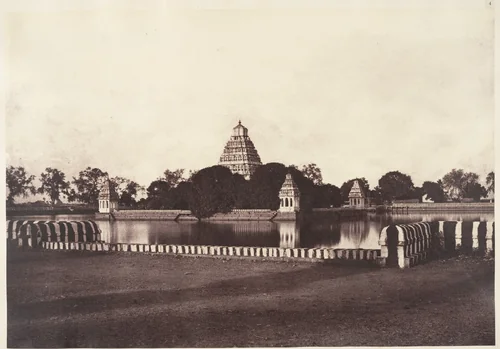
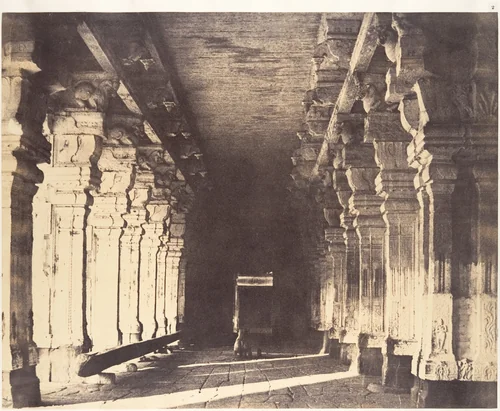
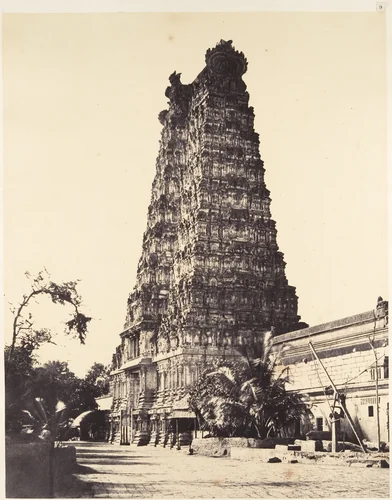
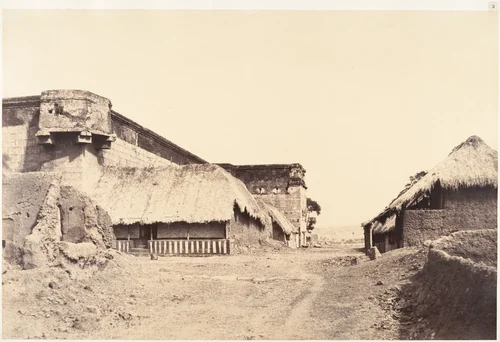
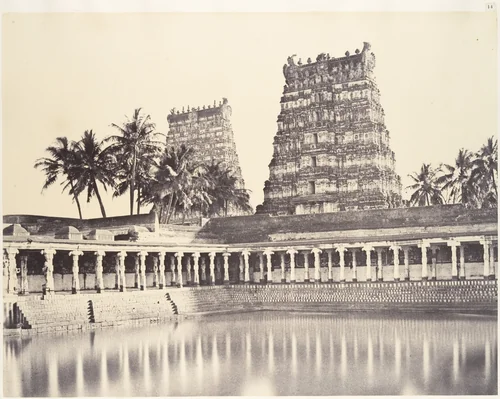
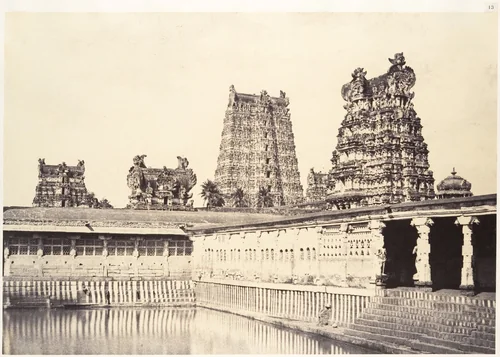
Serving as a Captain in the 12th Regiment of the Bengal Native Infantry, Tripe's photographic commissions initially stemmed from official requirements to document local culture and monuments. He traveled extensively through Mysore and Madras, culminating in highly influential expeditions to the former Burmese capital, Amerapoora. Unlike many contemporaries who treated photography as simple topographical recording, Tripe demonstrated a profound sensitivity to light, composition, and symmetry. His works, such as Amerapoora, Palace of the White Elephant and Amerapoora, Barracks of the Burmese Guard, rise above their utilitarian function, offering finely detailed studies of religious and civic structures often overlooked by Western observers.
The technical proficiency required to produce such clarity in the mid-19th century—using cumbersome equipment and processing chemicals far from modern darkrooms—lends an added dimension of mastery to his output. It is perhaps the most enduring characteristic of Tripe’s career that the entirety of his essential photographic output, which permanently shaped Western perceptions of the region, was completed in just four years.
His dedicated efforts resulted in large-format, museum-quality records that were technically ambitious for their era. Although he ceased active photography relatively early, his works continue to be studied for their historical accuracy and artistic merit. They are held in major institutions globally, including the Metropolitan Museum of Art and the National Gallery of Art. Thanks to the long history of his career, many original Linnaeus Tripe prints are now frequently available as downloadable artwork within the public domain, securing the lasting reach of this pioneering military photographer.
Source: Wikipedia · CC BY-SA 4.0