Linda Connor
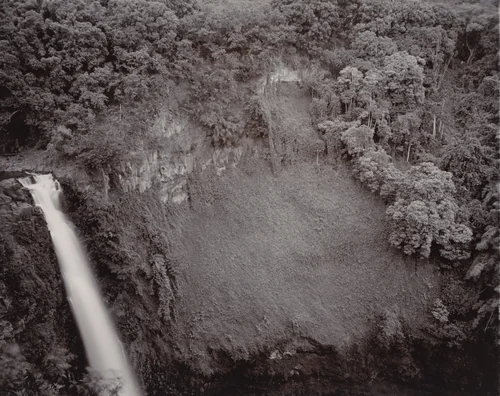
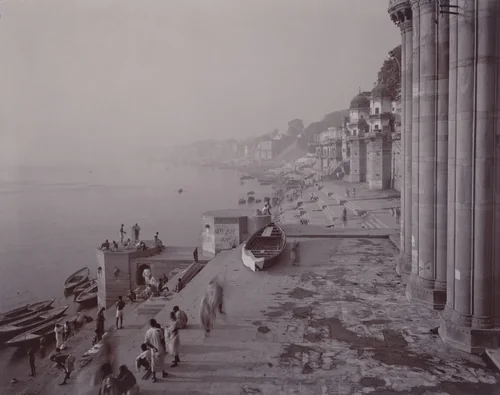
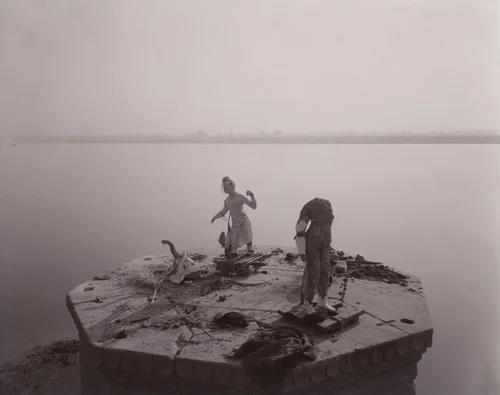
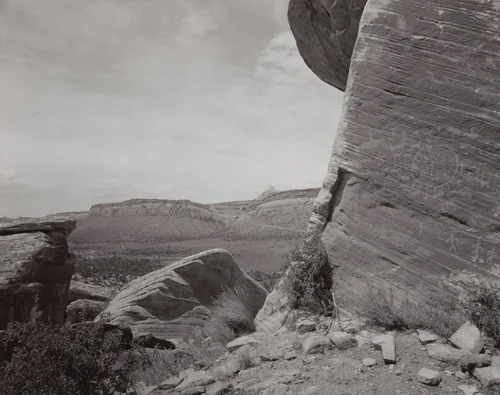
Linda Connor is one of the definitive American photographers of the late twentieth century, whose influential practice, developed primarily while based in San Francisco, California, centered on global landscapes and the documentation of spiritual sites. Active between 1974 and 2002, Connor established a profound reputation for images that often exist at the intersection of geographical record and metaphysical reflection. Her photographs are less conventional vistas and more invitations into concentrated observation, often isolating singular, evocative objects within vast spaces.
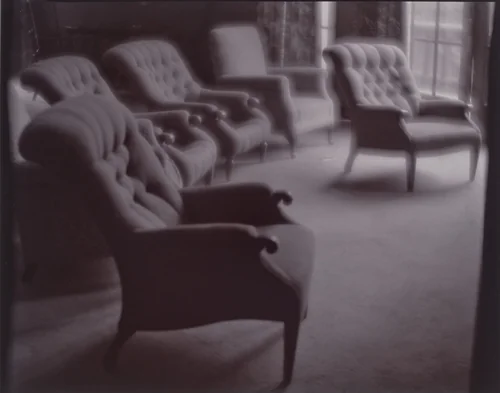
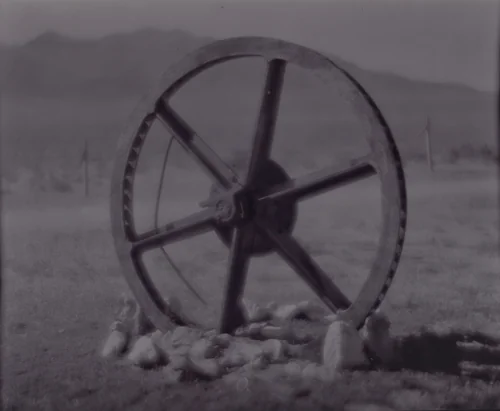
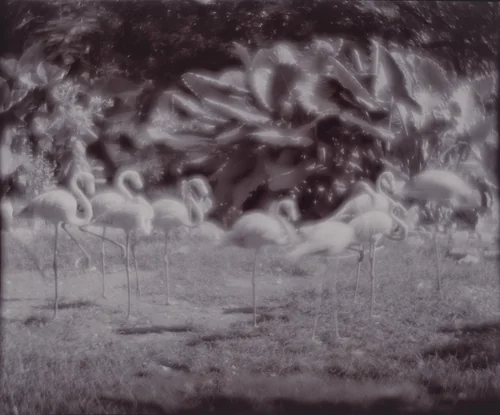
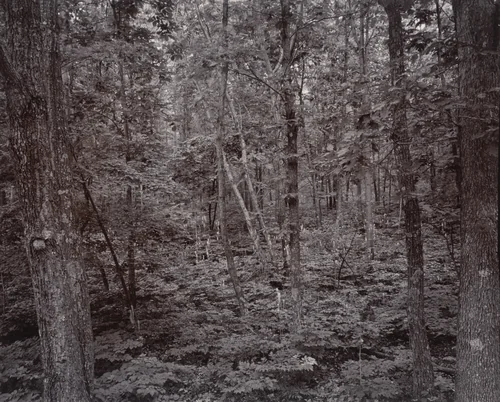
Connor’s repertoire demonstrates a remarkable capacity to treat disparate subject matter-from the everyday to the sacred-with equal meditative weight. A single body of work might juxtapose the human-made geometry of Chairs against the devotional power of a Prayer Wheel, or the inherent spectacle of Flamingos against the quiet, formal organization found in Forest, Blue Ridge Mountains, Virginia. This subtle, yet powerful, intellectual rigor prevents her landscapes from becoming merely pictorial, instead infusing them with a sense of wonder derived from precise composition and controlled tonality. Her ability to find resonance in these disparate elements is perhaps her greatest contribution: she treats natural formations, devotional objects, and architectural fragments as equivalent sources of visual and historical information.
The formal strength and historical significance of Connor’s images have ensured her place in the canon of American photography. Her work is held in major institutional collections, including the National Gallery of Art, validating their enduring status. For curators and enthusiasts alike, the persistent quality of her vision is recognized as achieving museum-quality distinction. While her early career coincided with the rise of color photography, Connor often favored the rich detail and historical continuity of the black-and-white print, lending her images a timeless gravitas. Today, collectors continue to seek high-quality prints of her work, recognizing her pivotal role in elevating landscape documentation into an exploration of cultural and spiritual geography.
Source: Wikipedia · CC BY-SA 4.0