Lilly Reich
Lilly Reich (1885-1947) was a pivotal German designer whose pioneering work in textiles, furniture, and exhibition architecture fundamentally contributed to the character of the early Modern Movement. Active primarily during the intellectually fertile Weimar period from 1925 to 1938, Reich was an important figure who defined space not through solid mass, but through light, texture, and the innovative deployment of materiality.
Reich is perhaps best known for her intensive, decade-long professional collaboration with architect Ludwig Mies van der Rohe, which began in 1925. Their partnership extended beyond the design of iconic furniture to the revolutionary conception of architectural display strategies, elevating exhibition planning to a high art. Reich specialized in creating spatial definition using lightweight, ephemeral materials. Her designs transformed temporary architecture into definitive statements of the emerging functionalist aesthetic.
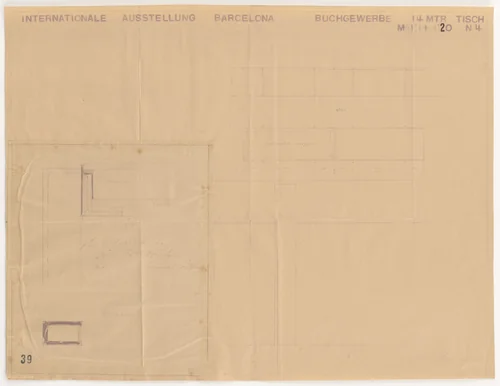
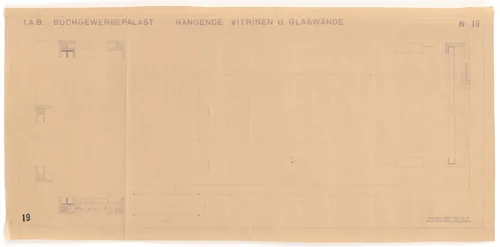
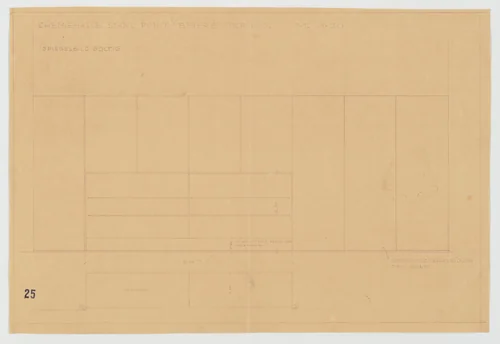
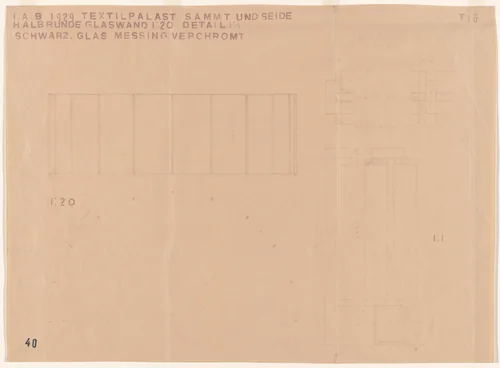
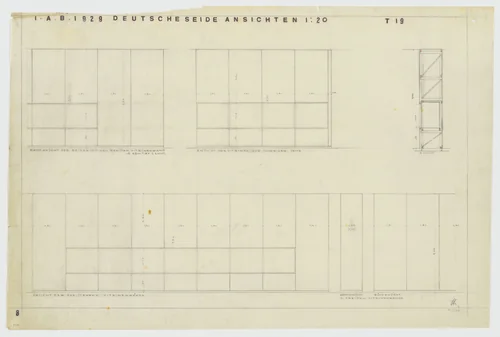
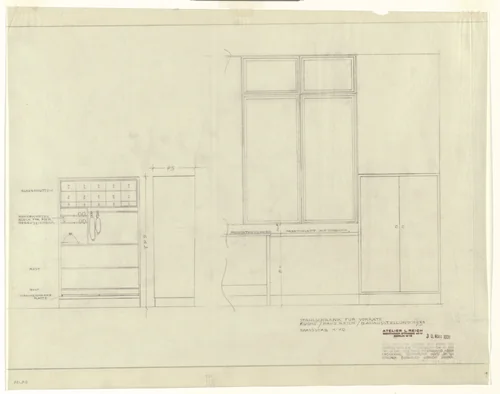
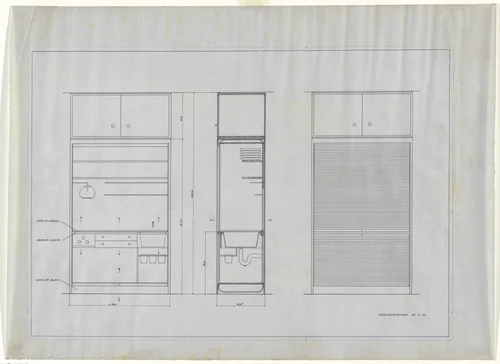
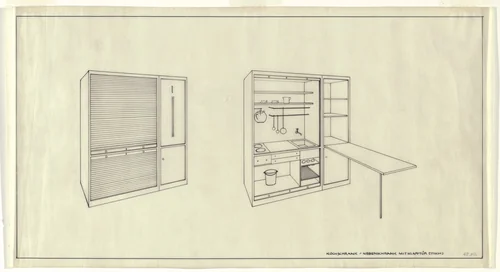
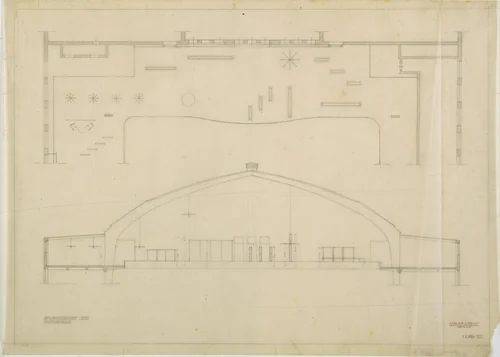
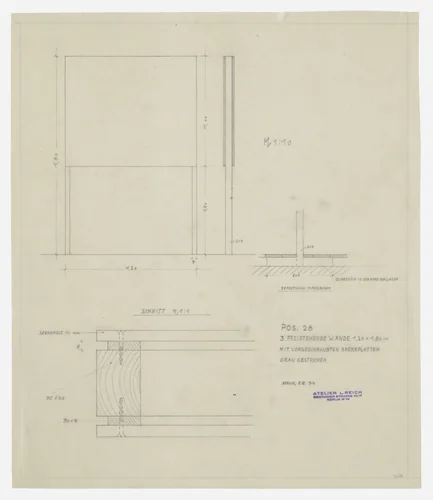
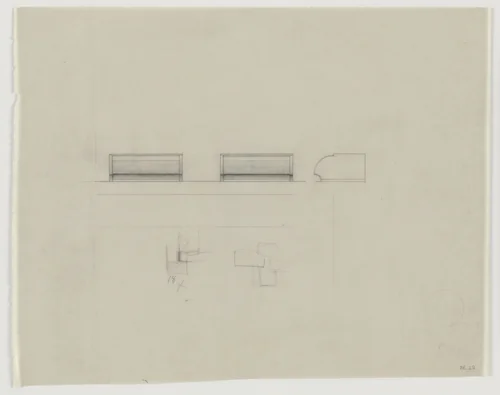
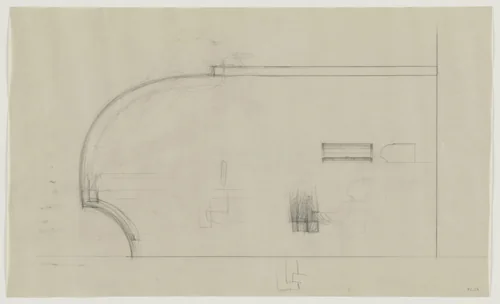
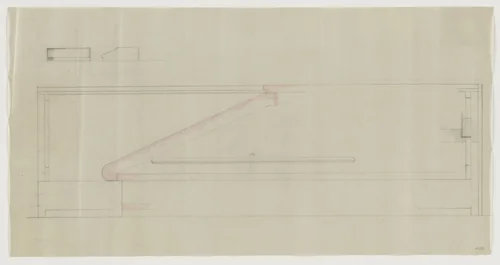
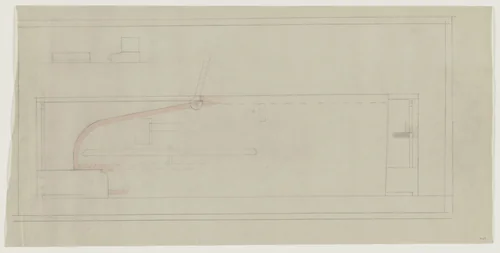
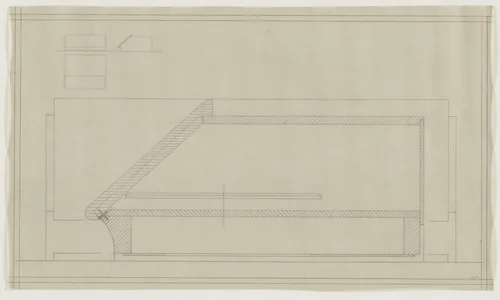
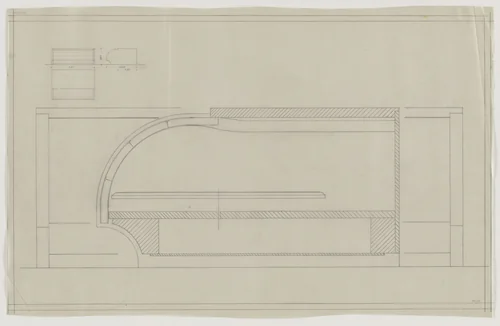
The apex of this collaborative work is the German Section of the 1929 Barcelona Exhibition. Reich was responsible for the detailed planning and interior execution across key structures, including the Book-printing trade palace, the Chemistry Hall, and the Textile Palace. Her revolutionary use of freestanding walls, suspended vitrines, and carefully coordinated elevation and plan arrangements served as early, exemplary instances of using precise material detailing and sheer partitions to define flow and intimacy within monumental spaces.
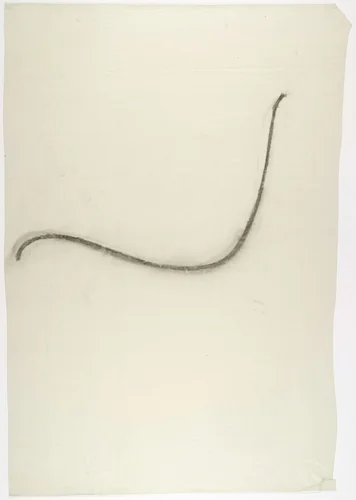
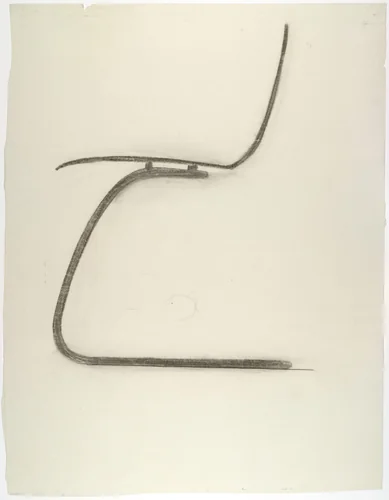
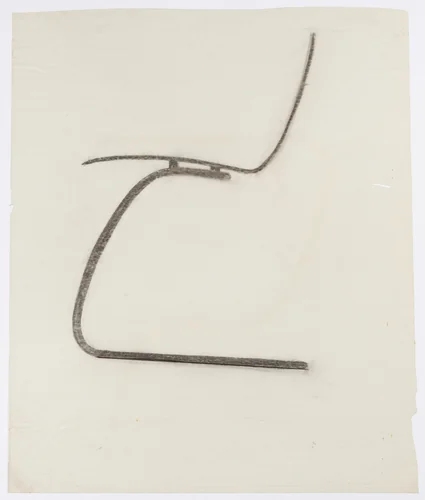
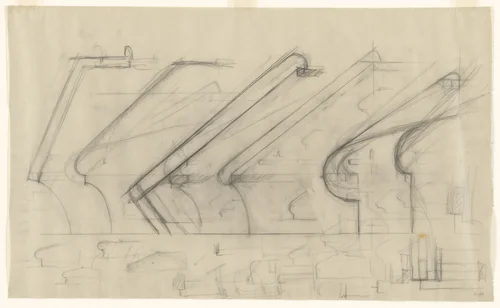
Despite her crucial role in shaping some of the most recognized projects of the era, Reich’s historical recognition was significantly delayed. The full import of her sophisticated contribution to the evolution of Modernism only became clear through subsequent research, confirming her status as an independent visionary rather than merely a collaborator. It is an interesting footnote that much of her foundational documentation, detailing her plans for the Barcelona Exhibition and other projects, is now preserved in collections like the Museum of Modern Art. These archives often make her original plans and studies, including early Lilly Reich prints, accessible in the public domain, allowing researchers worldwide to study the meticulous geometry underlying her groundbreaking high-quality designs. Her lasting legacy rests on a profound, precise understanding of structure, texture, and the powerful potential of the temporary architectural installation.
Source: Wikipedia · CC BY-SA 4.0