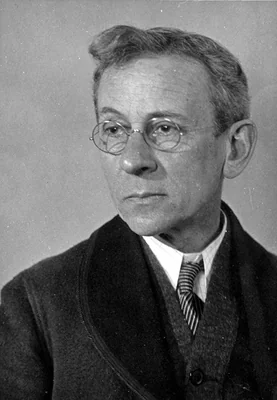
Lewis Wickes Hine
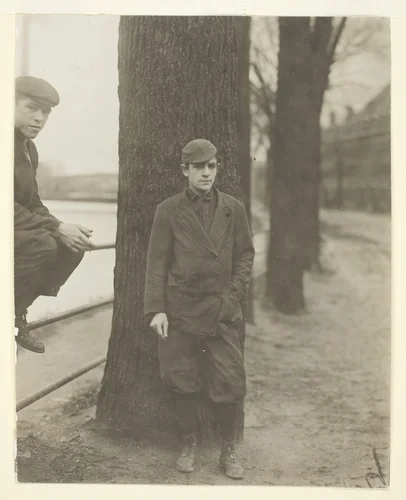
Lewis Wickes Hine (1874-1940) occupies a foundational position in American documentary photography, uniquely utilizing the medium not merely for aesthetic expression but as an essential instrument of legislative change. As a trained sociologist and educator, Hine recognized the singular power of the photographic image to bypass rhetoric and deliver undeniable visual evidence. His work, active particularly between 1900 and 1905, established the ethical and practical blueprint for modern photojournalism.
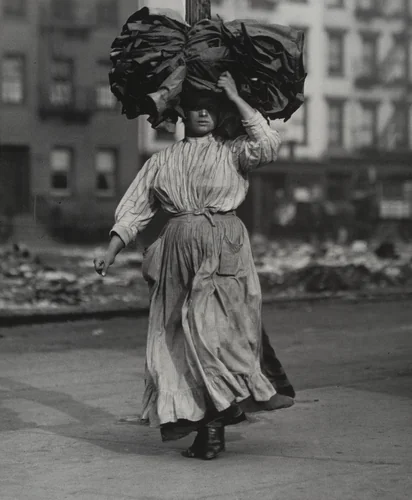
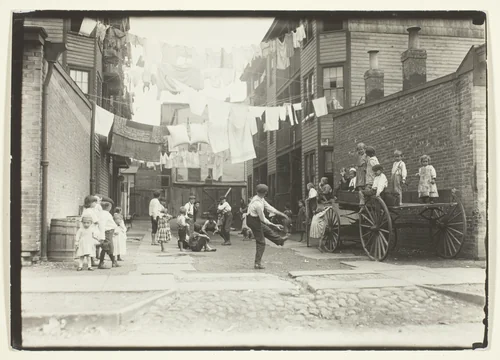
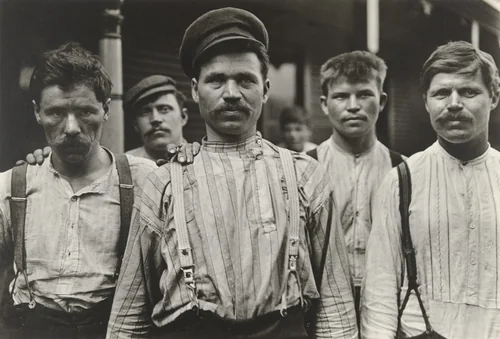
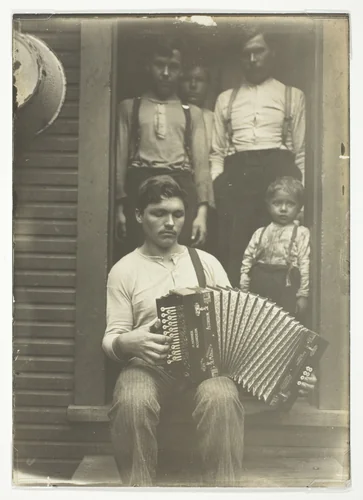
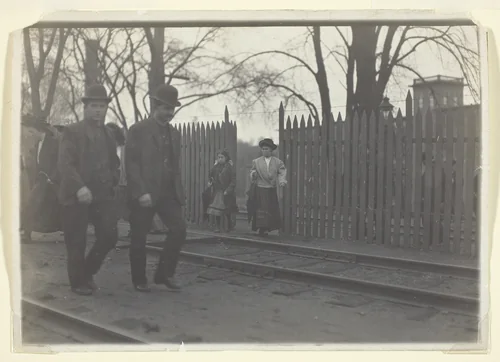
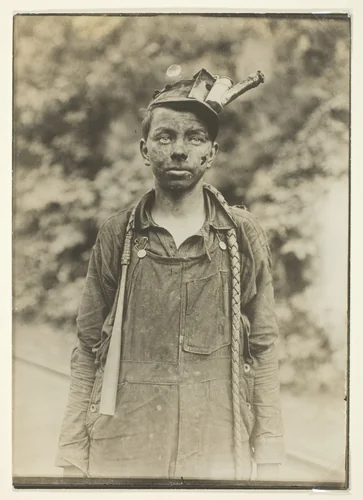
Hine’s early focus was documenting the waves of immigrants arriving at Ellis Island, capturing individual portraits such as Albanian Woman, Ellis Island, where he prioritized the dignity and psychological weight carried by his subjects. This emphasis on humanizing the marginalized informed his later, more politically charged assignments. During the Progressive Era, he was commissioned to document the widespread use of child labor across American industries.
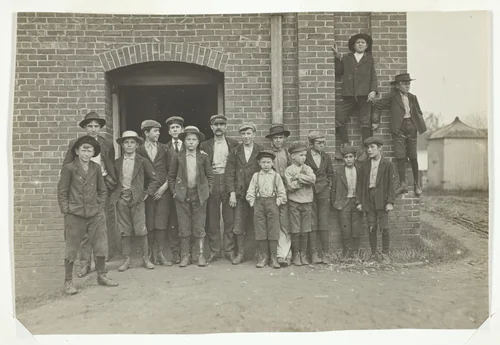
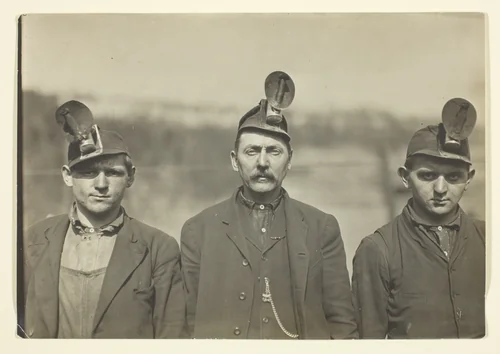
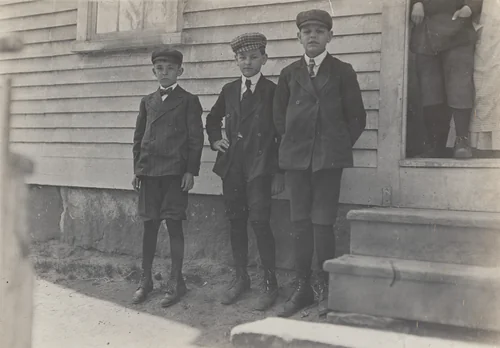
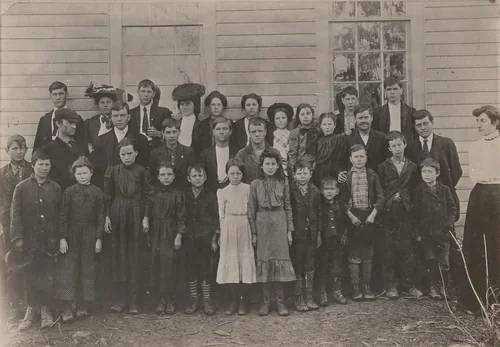
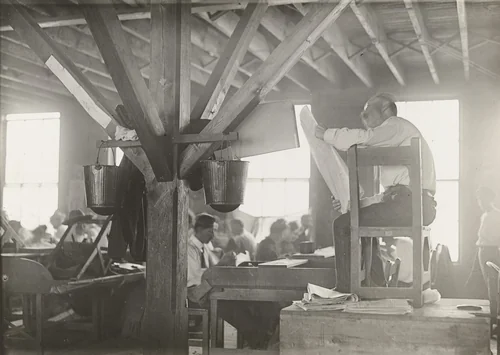
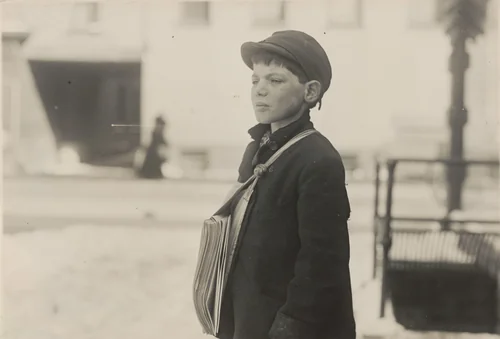
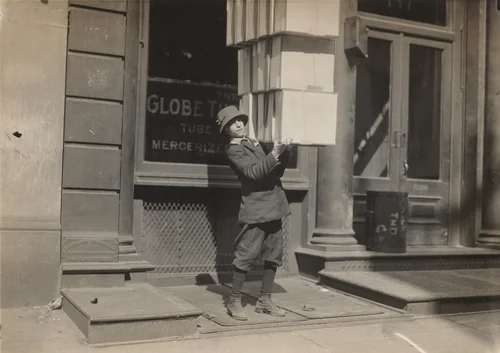
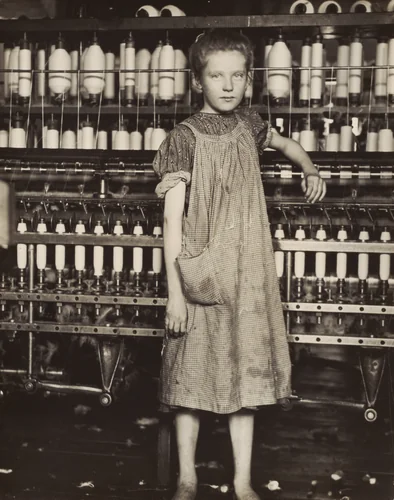
The ensuing years saw Hine undertake a vital, yet precarious, covert mission. He traveled across the United States, infiltrating factories, mines, and mills, often posing as a fire inspector, machinery salesman, or Bible seller to gain access. This dedication to documenting the unforgiving working environments faced by children exemplifies the fusion of artistic commitment and social justice that defined his career. He utilized the camera to systematically capture the conditions that would ultimately lead to the passage of the first child labor laws in the United States.
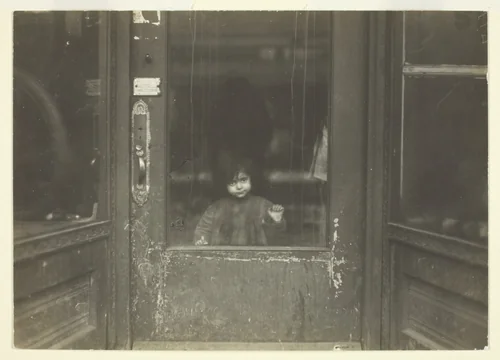
While categorized historically as a "muckraker," Hine’s output transcends simple activist propaganda. Photographs such as A Madonna of the Tenements and Cotton Mill Workers are striking compositions, recognized today as museum-quality works held in premier collections like the Museum of Modern Art and the Art Institute of Chicago. They possess a profound compositional clarity and an unflinching empathy for the subjects, transforming policy documentation into enduring art.
Because many of Hine’s images were created for sociological agencies, ensuring their wide distribution, a significant portion of Lewis Wickes Hine prints are now considered public domain. This accessibility allows researchers and the public to acquire downloadable artwork, ensuring that his powerful visual indictment of industrial exploitation remains widely studied and continues to influence contemporary photographic practice.
Source: Wikipedia · CC BY-SA 4.0