Lewis Carroll
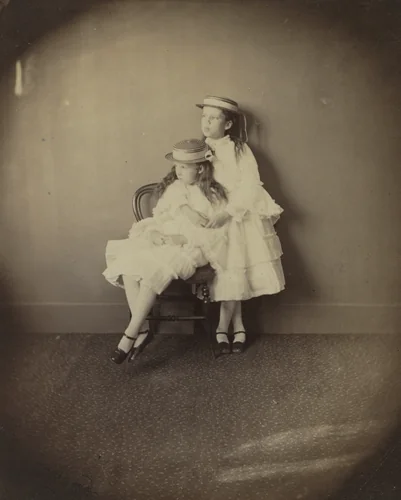
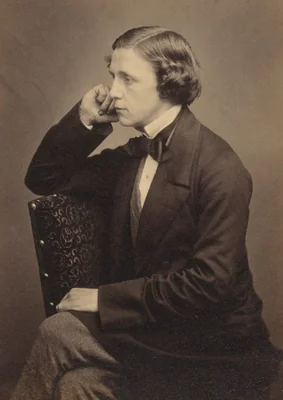
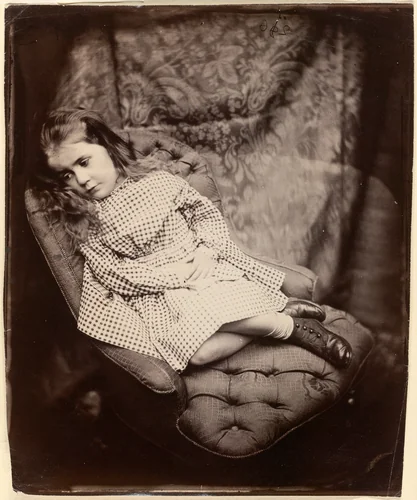
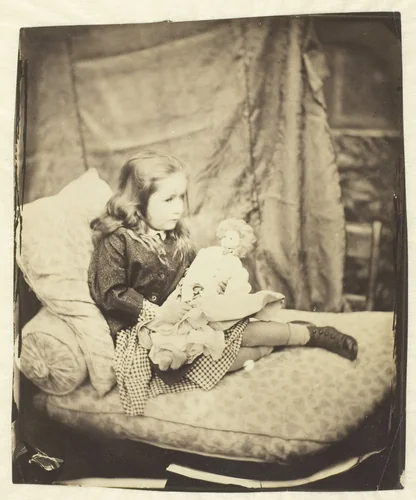
Charles Lutwidge Dodgson (1832-1898), universally known by his literary pseudonym Lewis Carroll, was a committed and highly proficient photographer during the medium’s nascent decades, active primarily between 1858 and 1872. While his global legacy is fixed by his landmark contributions to Victorian literature, including the mathematical logic and calculated fantasy of Alice’s Adventures in Wonderland (1865) and its sequel, Dodgson pursued the challenging, highly technical art of photography with equal intellectual intensity.
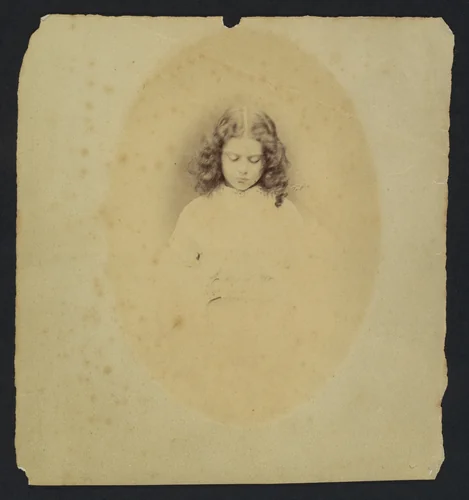
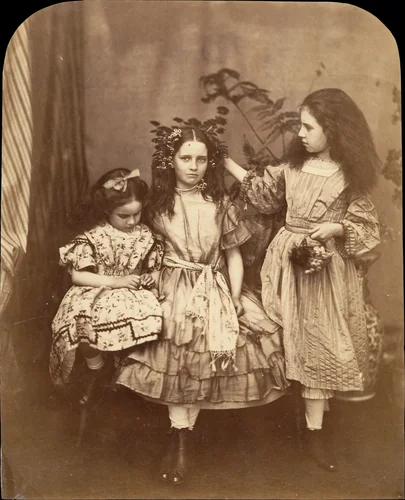
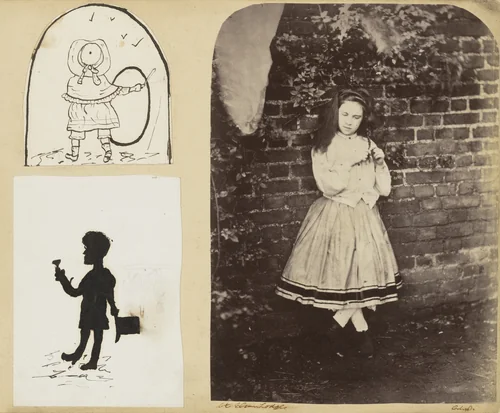
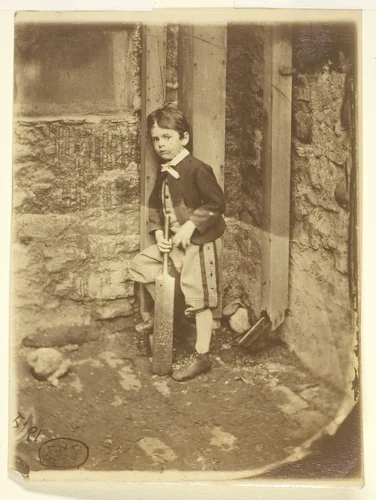
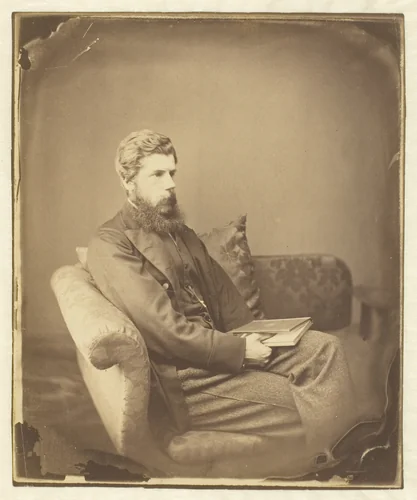
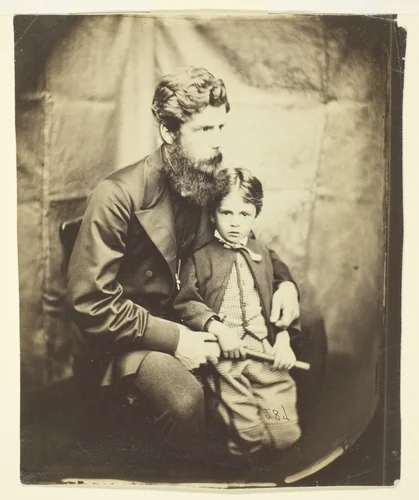
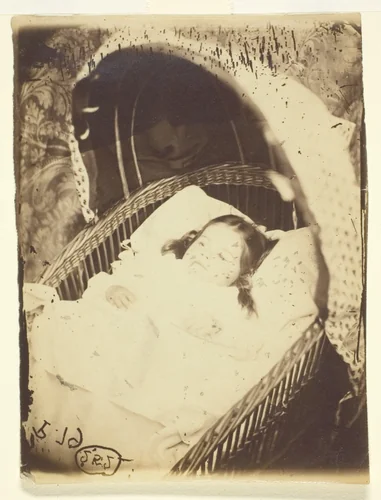
Operating during a critical formative period for the photographic arts, Dodgson favored the precise, demanding wet-plate collodion process. His surviving portfolio, though contained, is overwhelmingly centered on carefully observed portraits, almost exclusively featuring children and young adults within his immediate academic and social sphere. Dodgson’s excellence lay in his acute sensitivity to composition and his ability to transcend mere documentation. He frequently staged complex, tableau-like scenes that shifted the portrait into sophisticated narrative and allegory.
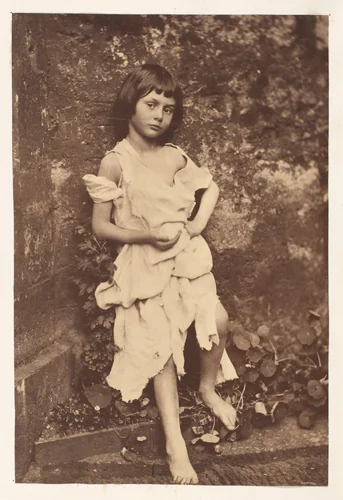
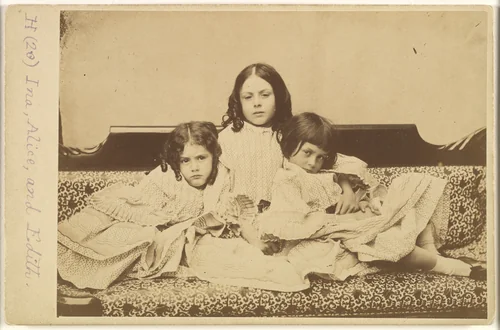
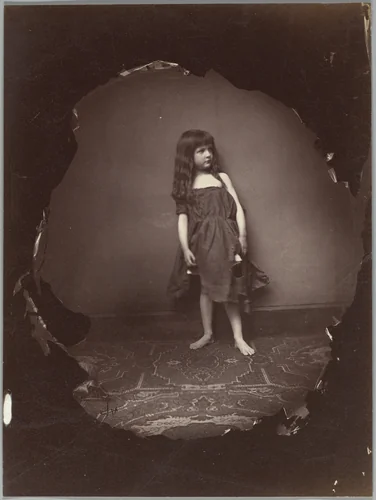
Works such as Edith, Ina and Alice Liddell on a Sofa demonstrate a highly balanced composition and command of light, providing a distinct record of Victorian domesticity. However, his lens often sought out the theatrical, reflecting the same fertile imagination that conceived of literary nonsense and the complex wordplay seen in the poem Jabberwocky. In images like Alice Liddell as "The Beggar Maid", he employed elaborate costume and deliberate gesture, transforming his muse into a sophisticated artistic subject.
Dodgson abandoned the camera abruptly in 1872, reportedly due to the immense effort required by the process, coinciding with the ascendance of his literary career. Despite the relatively few images that remain from his fourteen years of active practice, their formal quality is widely recognized. Original prints, acknowledged for their museum-quality status, are securely held in leading collections, including the Metropolitan Museum of Art and the Art Institute of Chicago. Recognizing their historical significance, these photographs are often digitized, making high-quality prints widely accessible through the public domain.
Source: Wikipedia · CC BY-SA 4.0
![[Alice Liddell] by Lewis Carroll, photograph, 1870](https://img.artbee.org/6b12d1b1-a9cc-462f-8000-622f2709b6cd/small.webp)