Leukas
The attribution Leukas defines the source for a highly concentrated body of textile work, comprising eight distinct fragments and accessories produced within the extraordinarily narrow active period of 1700 to 1701. These artifacts establish a precise snapshot of high-quality domestic and sartorial craft originating from the Ionian Sea region, and are preserved today within esteemed international collections, most notably the Art Institute of Chicago. The name Leukas itself derives from the key Greek island of Lefkada, a significant trading post known for its municipal seat in the northern region, connected to the Greek mainland by a functional causeway and floating bridge.
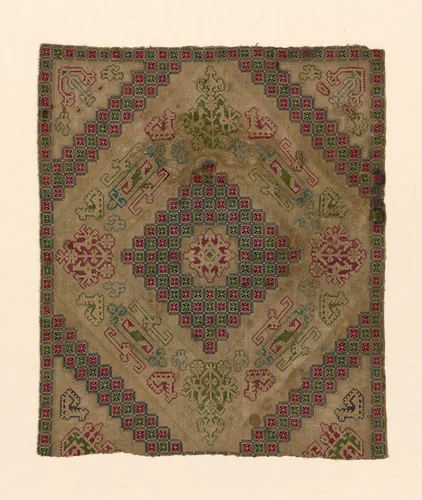
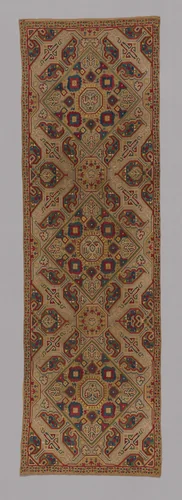
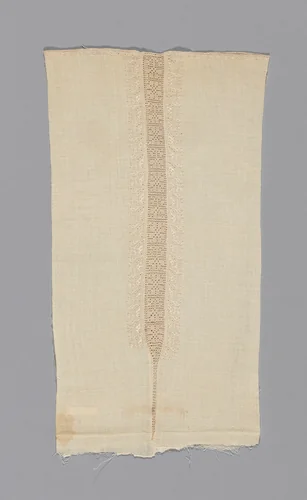
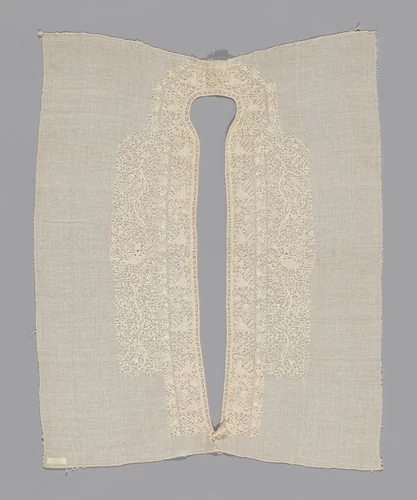
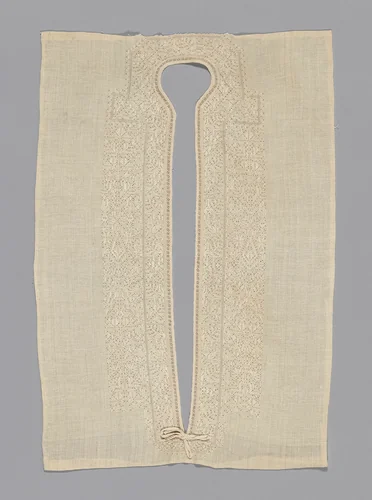
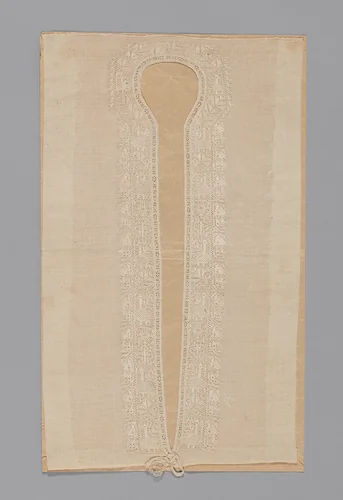
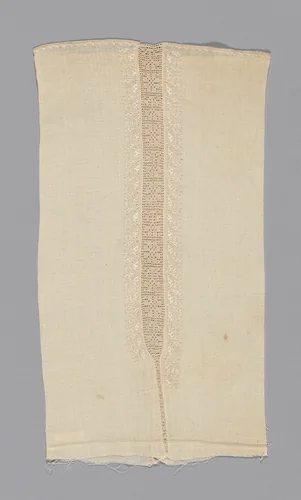
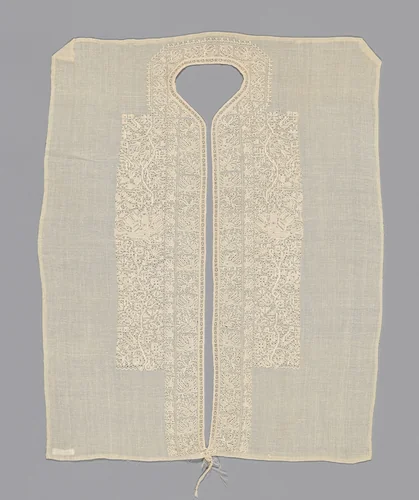
The surviving corpus demonstrates an exacting standard of eighteenth-century needlework applied to functional luxury items. The works include two substantial pieces focused on bedding and comfort—the Fragment (From a Bolster Cover) and the full Panel (Bolster Cover)—which reveal complex patterning likely incorporating silk or fine linen foundations. Equally important are the three examples of the Neck Insert, accessories that illustrate the fine calibration and precise finishing required for affluent local and regional costume. The limited output and extremely short timeframe suggest that Leukas represents either the output of a specialized workshop operating under a specific, demanding commission, or an anonymous attribution assigned to a standardized style flourishing in the town of Lefkada during that brief window.
The island’s unique geographic position as a connected waypoint was crucial, enabling the dissemination of these designs. The causeway connection ensured textiles and patterns could readily move from the municipal center to the mainland, fostering an influential standard for regional Greek textile art. This vital link contributed significantly to the circulation of these high-quality materials throughout the Mediterranean. It is an understated observation that Leukas, the town, retained its role as a convenient access point for centuries; even now, it is situated a manageable distance by automobile from Aktion National Airport. Though the works themselves are preserved as original museum-quality artifacts, comparable historical pieces often enter the public domain, allowing broader academic access to downloadable artwork for study. The surviving eight pieces by Leukas thus stand as essential markers of regional sophistication within the context of early modern trade and craft.
Source: Wikipedia · CC BY-SA 4.0