Leopold von Kalckreuth
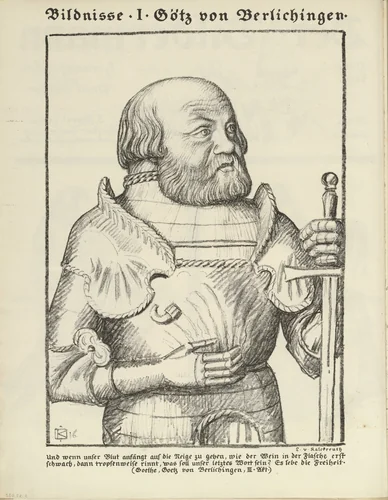
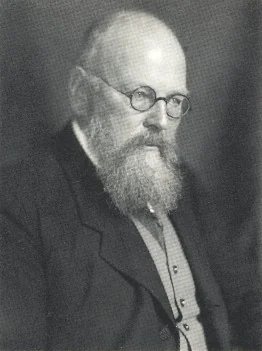
Leopold von Kalckreuth (1855-1928), celebrated for his profound sensitivity in portraiture and his mastery of graphic technique, secured a crucial place in the lineage of late nineteenth and early twentieth-century German art. Active primarily between 1885 and 1916, Kalckreuth moved effortlessly across media, producing substantial oil paintings alongside a major corpus of intimate drawings and prints. His consistent inclusion in major international collections, including the Museum of Modern Art and the National Gallery of Art, attests to his enduring relevance as an observer of domestic life.
Though historical analysis often focuses on his grander canvases, the artistic legacy of Leopold von Kalckreuth prints and drawings holds particular significance. He developed an unflinching, unvarnished naturalism that favored psychological insight over academic convention. Unlike many of his contemporaries, Kalckreuth dedicated his most powerful efforts to depicting his immediate family, focusing on private, unguarded moments. This approach elevated the ordinary, transforming simple acts of reading or repose into profound subjects for artistic study.
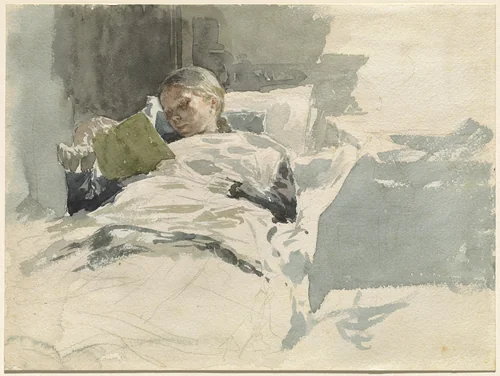
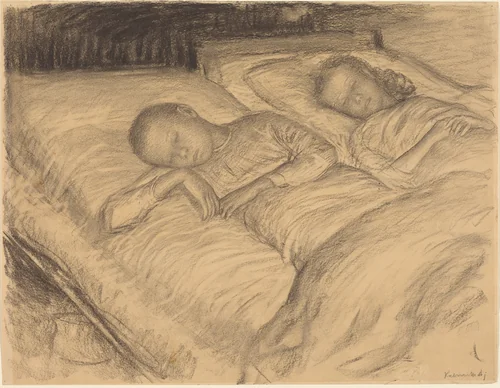
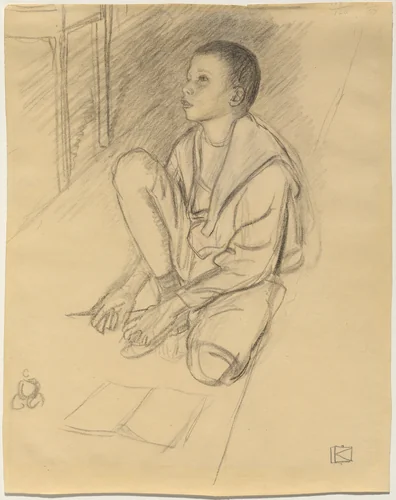
Works such as the graphite drawing The Artist's Wife Reading in Bed or the study The Artist's Son Wolf Crouching on the Floor showcase his technical dexterity in capturing spontaneous gestures. His meticulous cross-hatching and control of shadow lend a palpable atmosphere to these scenes. The celebrated work The Artist's Children Wolf and Anna Asleep is a masterful exploration of innocence and vulnerability, subjects handled with deep sincerity. It is perhaps a subtle irony that a figure who carried the inherited title of Graf (Count, until the title became part of the family name in 1919) chose to focus his lens so intensely on the simple interiority of the home, treating his subjects with absolute aesthetic equality.
Kalckreuth’s consistent focus on character, combined with his exceptional skill, ensures that his work remains compelling today. As a result of the passage of time, many of his preparatory drawings and high-quality prints are now in the public domain. This accessibility allows researchers and enthusiasts globally to study this master draftsman, offering a rich source of downloadable artwork that exemplifies the shift toward empathetic realism in the modern era.
Source: Wikipedia · CC BY-SA 4.0