Léopold Survage
Léopold Survage (1879-1968) stands as a foundational figure bridging the radical developments of the Russian avant-garde and the sophisticated abstraction emerging in pre-World War I Paris. A Russian-French painter of Finnish origin, his early artistic training in Moscow placed him at the core of the nascent revolutionary movements that sought to divorce art from representational demands.
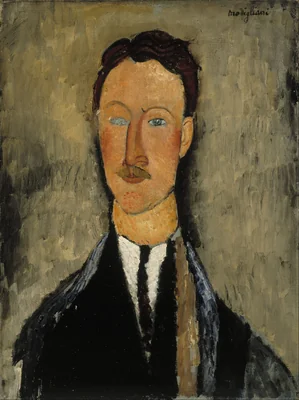
Upon his relocation to Paris, Survage quickly integrated into the cosmopolitan artistic dialogue, sharing a studio with Amedeo Modigliani. While many of his peers were dedicated to deconstructing reality through Cubism, Survage pursued a distinct and far more forward-looking path: the synthesis of abstract form and movement through the medium of film.
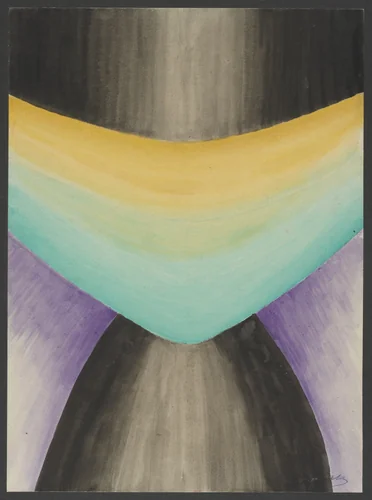
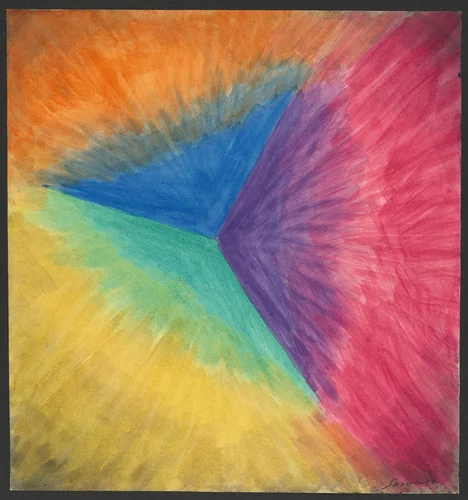
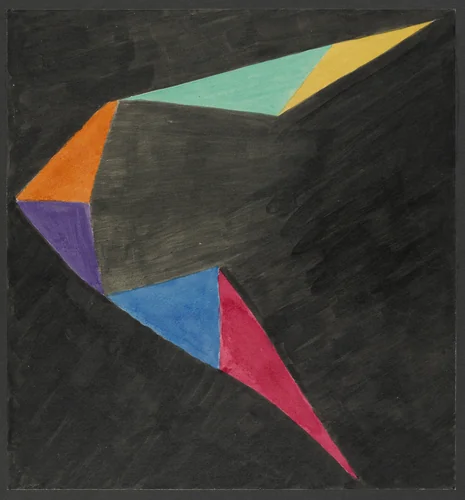
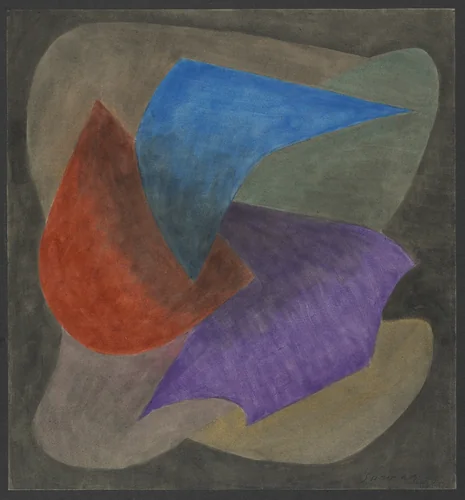
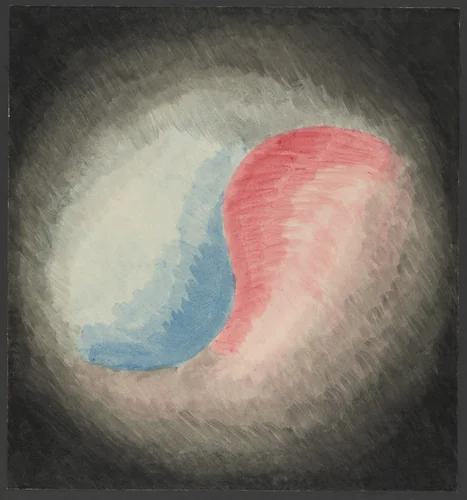
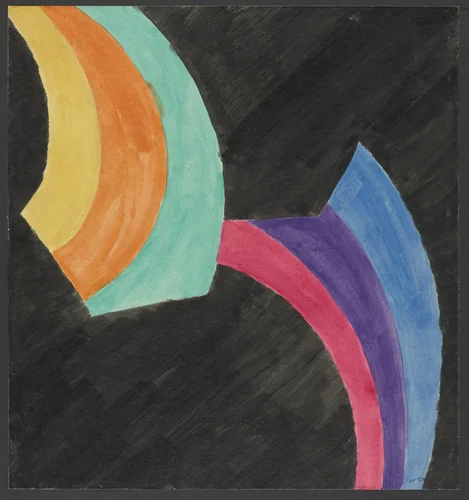
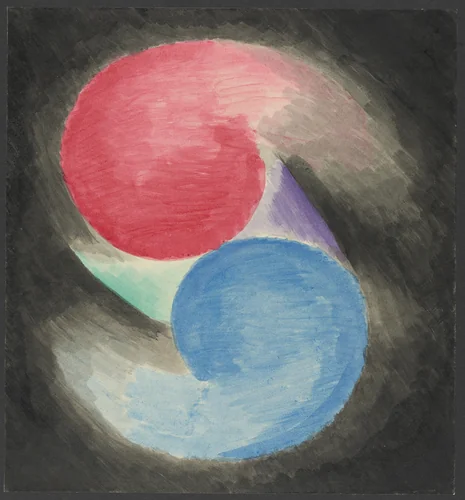
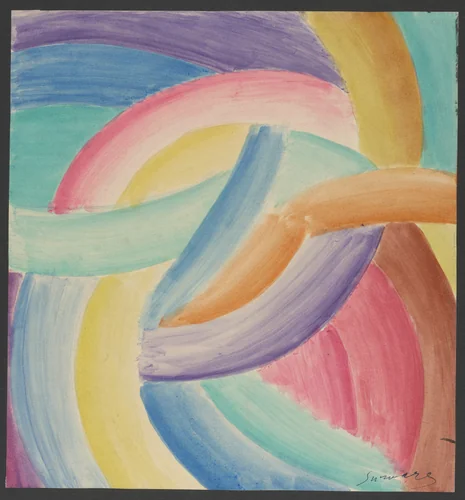
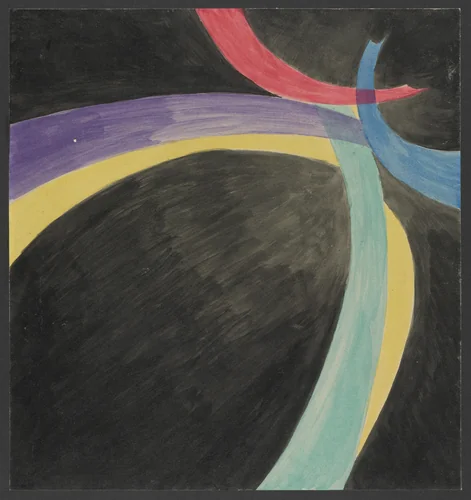
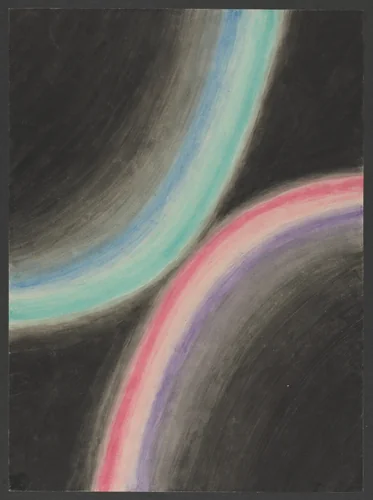
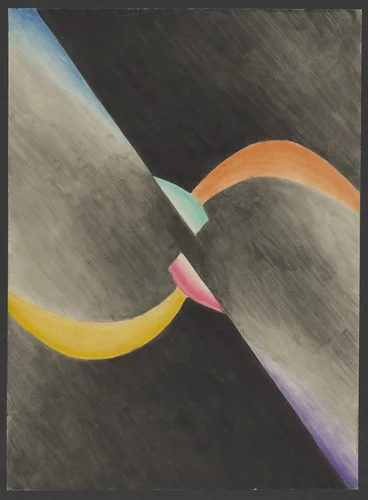
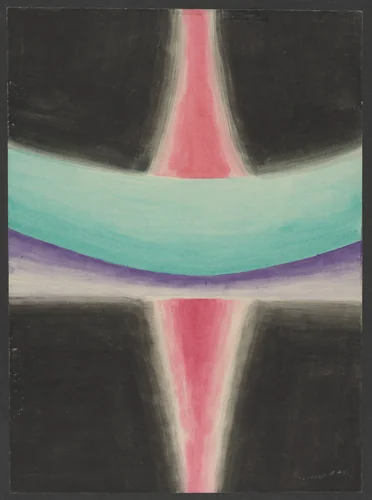
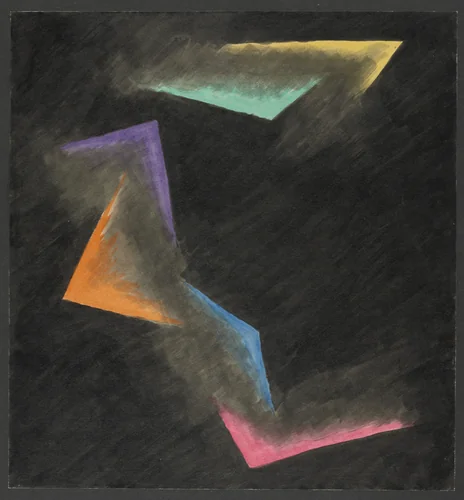
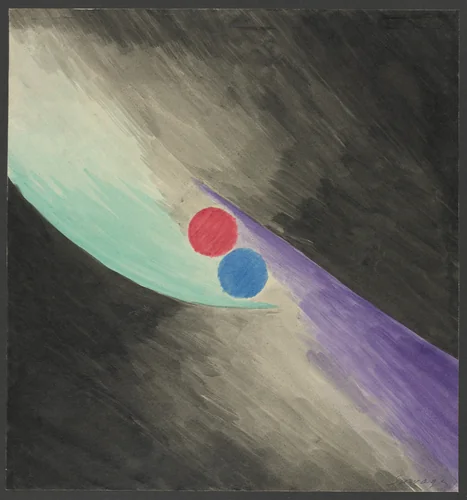
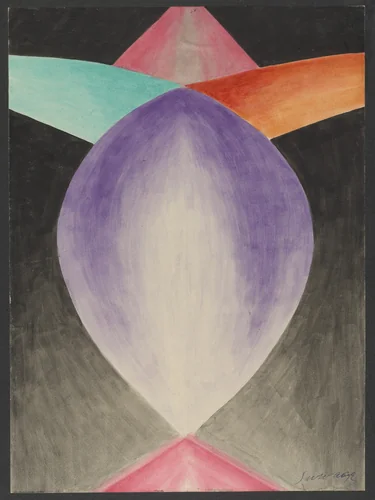
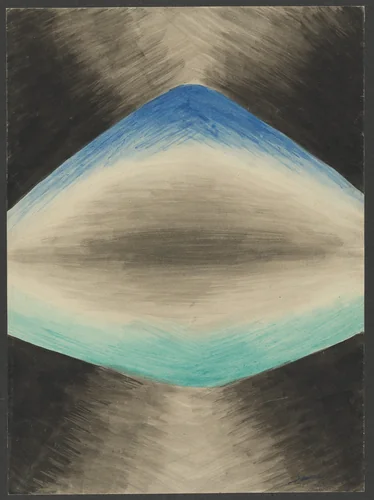
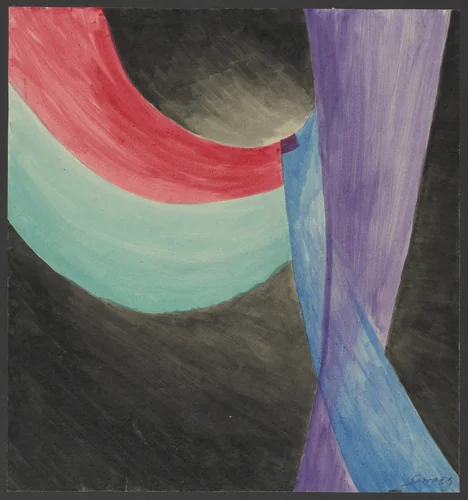
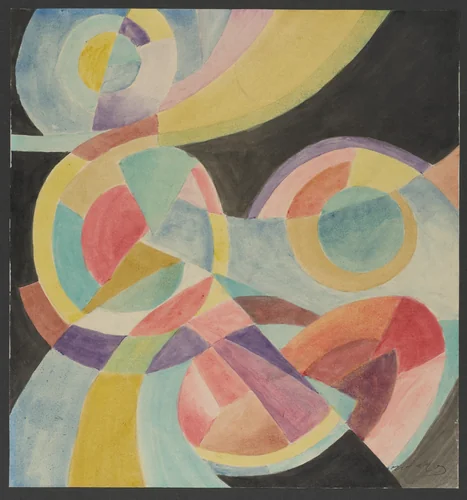
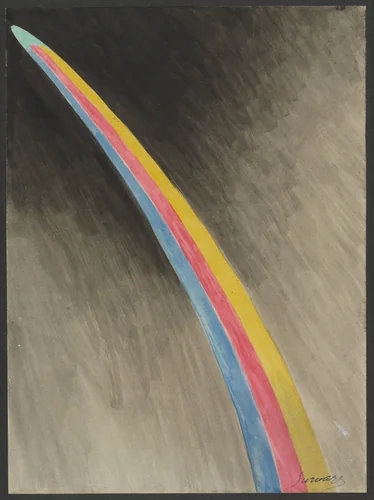
This pioneering investigation culminated in 1913 with a series of works titled Colored Rhythm: Study for the Film. These fifteen drawings were not sketches in the conventional sense, but detailed storyboards for a conceptual work of rhythmic abstract cinema. Survage envisioned a non-narrative film dictated purely by the calibrated movement of colored shapes, synchronized to music. This dedication to the precise logistics of color in motion reveals an engineer’s rigor beneath the modernist painter’s guise. Conceived years before similar experiments by artists like Viking Eggeling and Hans Richter, Colored Rhythm represents one of the earliest documented global attempts to map out purely abstract animation.
Survage’s mastery of dynamic abstract composition attracted influential patrons, expanding his impact beyond the canvas. He secured significant commissions designing sets and costumes for Serge Diaghilev’s internationally renowned Ballets Russes, seamlessly applying his geometric vocabulary to theatrical design. Today, institutional holdings, including the Museum of Modern Art, preserve these pivotal abstract studies.
Many significant Léopold Survage paintings and studies are now entering the public domain, offering researchers and collectors direct access to his inventive methodologies. The proliferation of high-quality prints and downloadable artwork ensures that Survage’s essential, boundary-pushing contributions to both abstract painting and kinetic art remain widely accessible. His innovative approach confirms his status as a critical, if sometimes underestimated, early voice in twentieth-century abstraction, linking canvas to screen.
Source: Wikipedia · CC BY-SA 4.0