Leonhard Beck
Leonhard Beck (active c. 1500–1514) holds a significant position within the early sixteenth-century artistic community of Augsburg, Germany. Primarily known as a designer of intricate woodcuts, Beck’s career effectively bridges the late Gothic period with the burgeoning Renaissance aesthetic that characterized Southern German visual culture. His works, which include both paintings and extensive graphic series, are today housed in major institutions globally, including the National Gallery of Art, the Cleveland Museum of Art, and the Rijksmuseum.
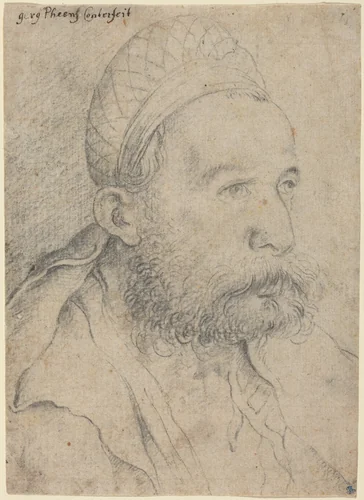
Beck’s initial training was rooted firmly in family practice. He was the son of the miniaturist Georg Beck, who was a known entity in Augsburg roughly between 1490 and 1512/15. This lineage immediately established Leonhard’s grounding in detailed, minute artistic execution, crucial for his later graphic designs. This early partnership is formally documented by their collaborative effort on two psalters commissioned for the local Augsburg monastery in 1495.
Elevating his skills beyond illumination, Beck joined one of the region’s most important workshops, serving as an assistant to Hans Holbein the Elder. During this pivotal period, between 1500 and 1501, Beck contributed to a major altarpiece commission, a significant work of painting now preserved in the Städel Museum in Frankfurt am Main. This exposure to Holbein’s ambitious scale and complex narrative construction proved essential to Beck’s mature output.
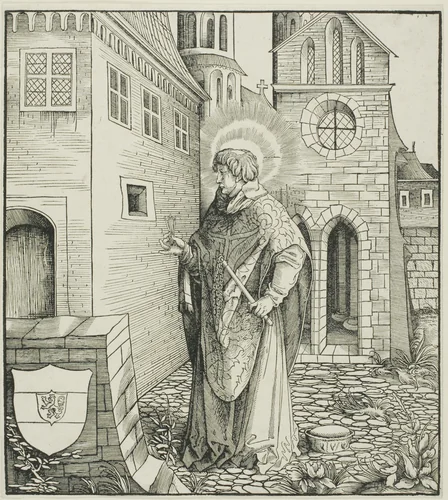
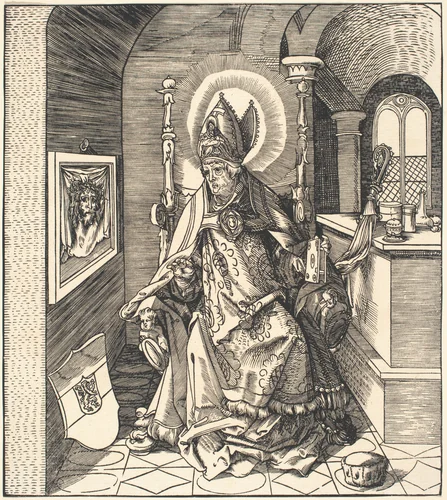
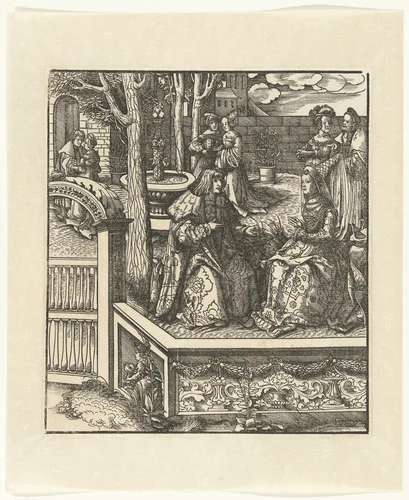
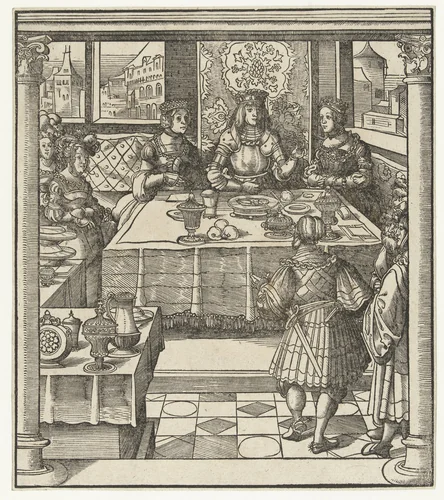
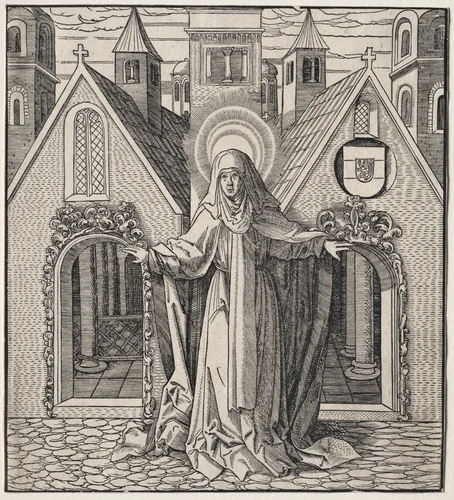
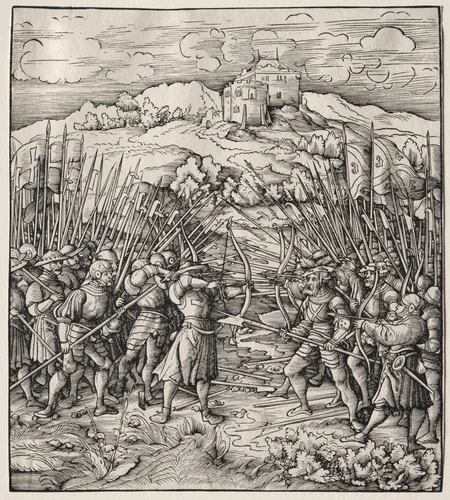
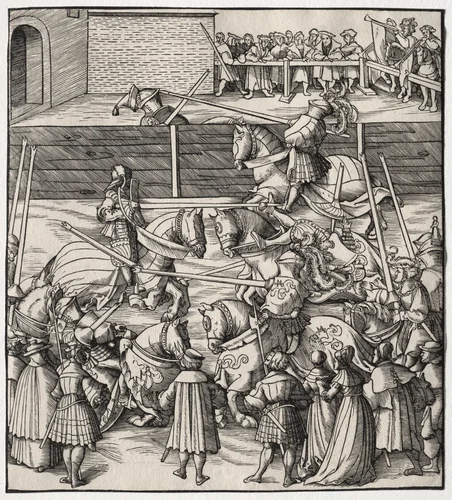
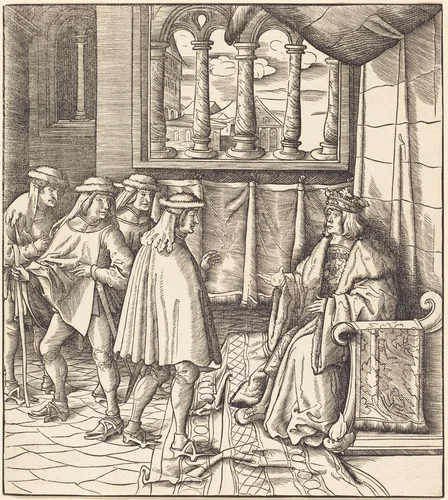
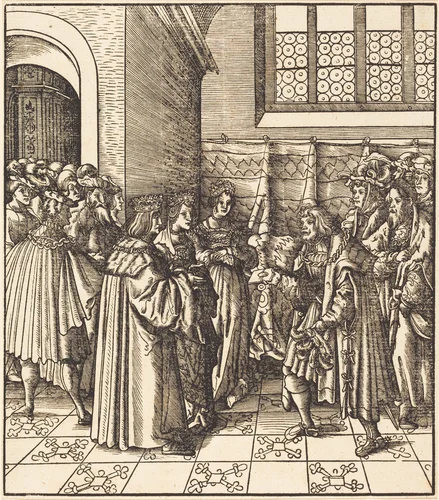
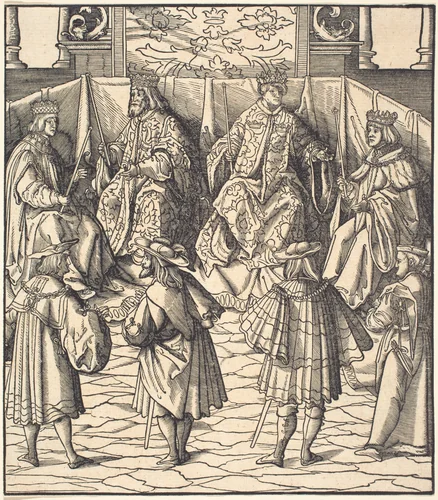
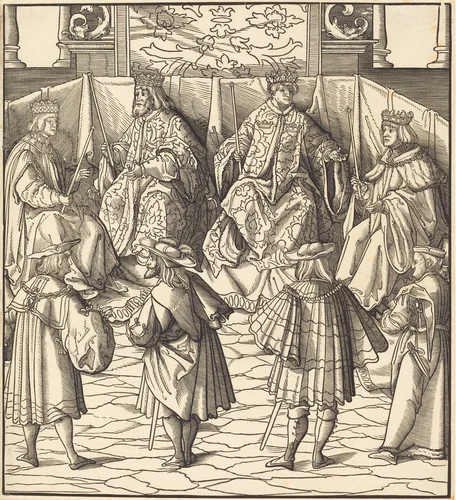
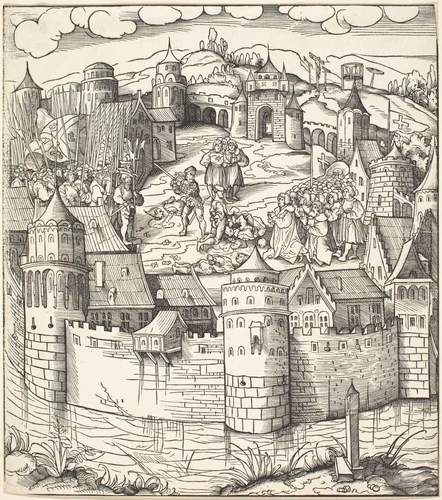
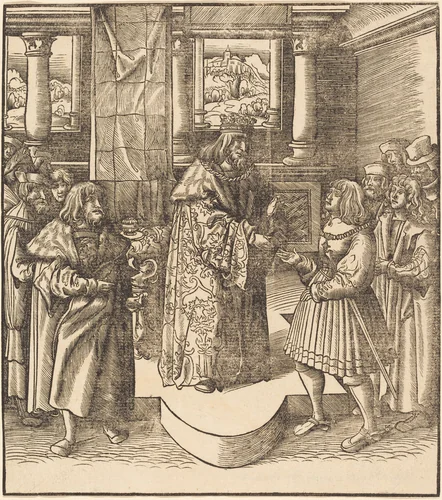
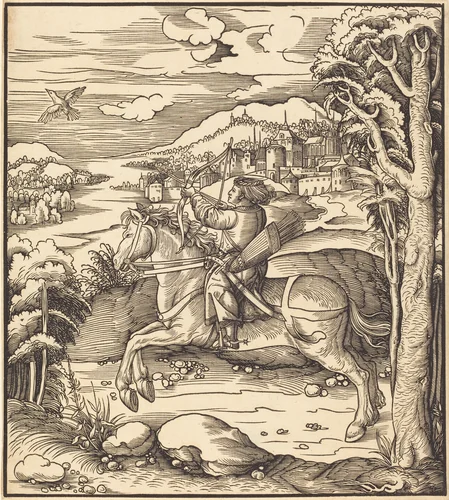
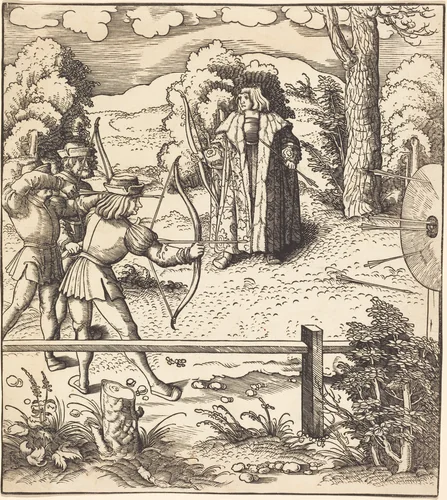
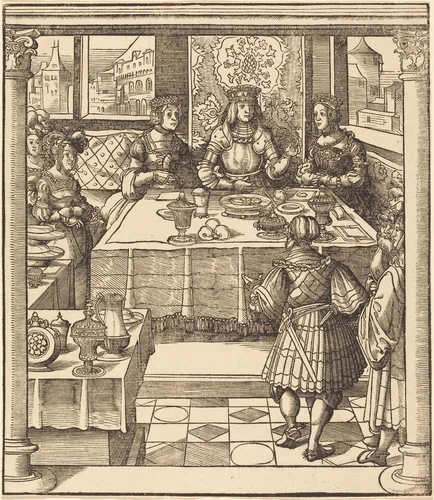
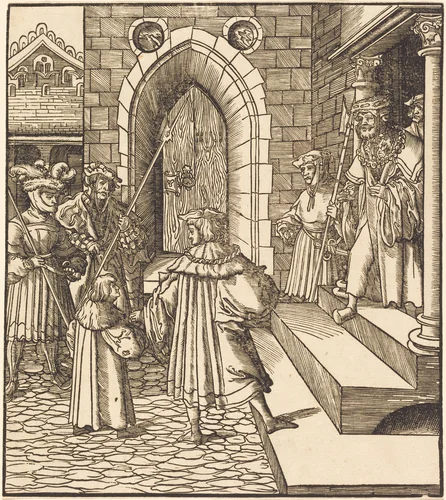
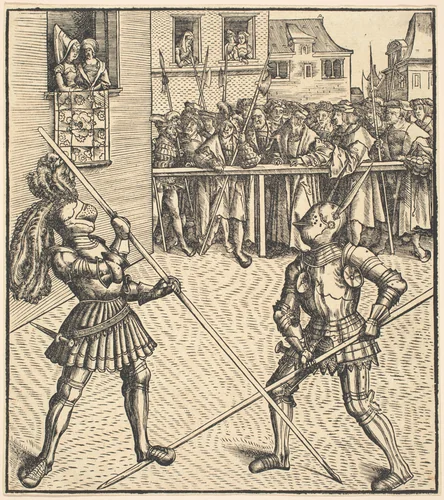
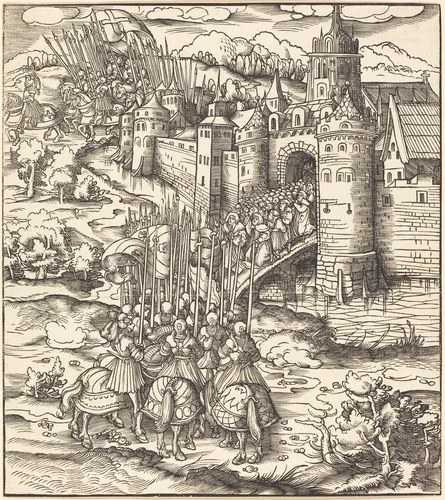
While his paintings provide insight into his skill as a colorist, it is the extensive catalogue of Leonhard Beck prints that defines his lasting contribution to art history. His graphic work often focused on the elaborate historical and religious iconography necessary for Imperial patrons. Notable surviving examples include complex historical narratives such as Maximiliaan en Maria van Bourgondië leren elkaar hun taal, and devotional figures such as Saint Ferreolus and Sancta Rega, derived from his series documenting the Saints Connected with the House of Habsburg. The prolific nature and demanding detail of these commissions suggest an artist equally capable of deep piety and complex political messaging.
Today, much of this meticulously detailed output is available as downloadable artwork, having entered the public domain. This accessibility allows contemporary audiences to study the craftsmanship and enduring legacy of his designs, making Leonhard Beck paintings and his masterful high-quality prints vital documents of early sixteenth-century German art.
Source: Wikipedia · CC BY-SA 4.0