Leone Leoni
Leone Leoni (active 1519-1555) stands as the preeminent medallist and sculptor of the Italian Cinquecento. His international reputation was forged not just in Italy, but across Europe, where he traveled extensively, securing major commissions in Germany, Austria, France, Spain, and the Netherlands. This unique mobility allowed Leoni to absorb diverse cultural influences while simultaneously defining the standards for court portraiture across the continent.
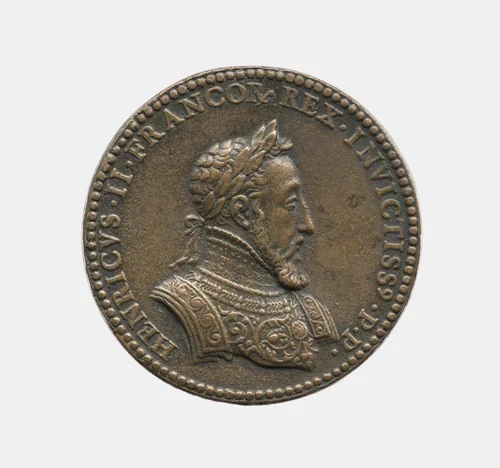
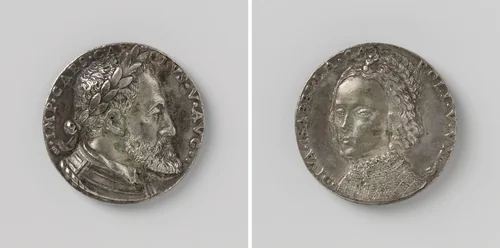
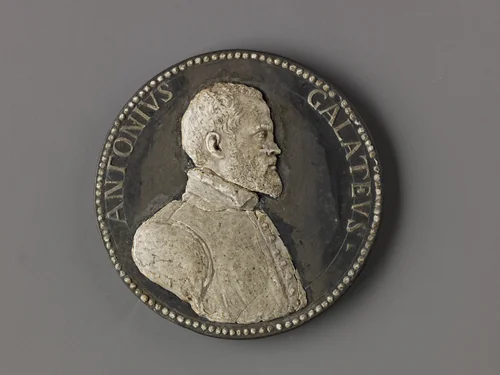
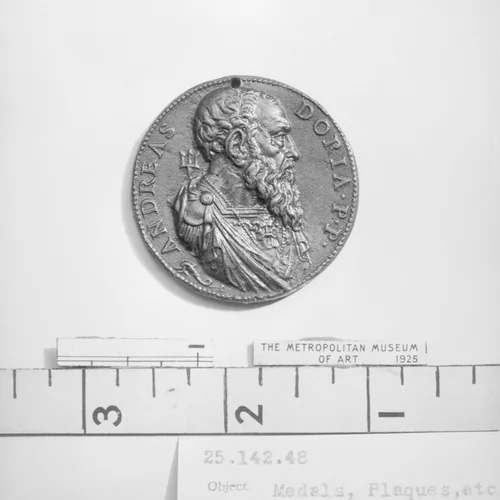
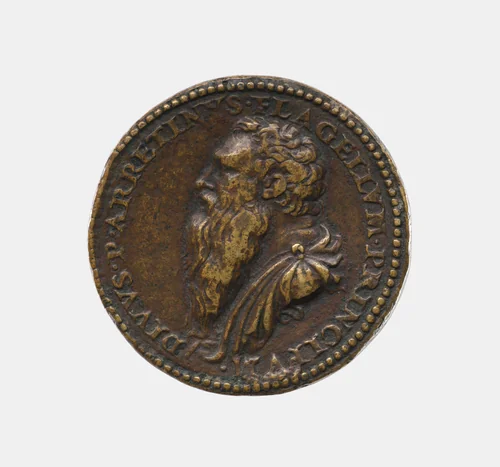
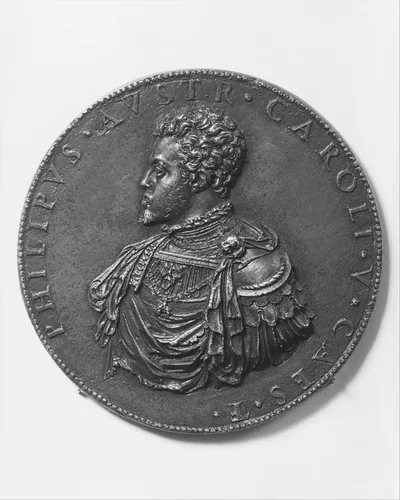
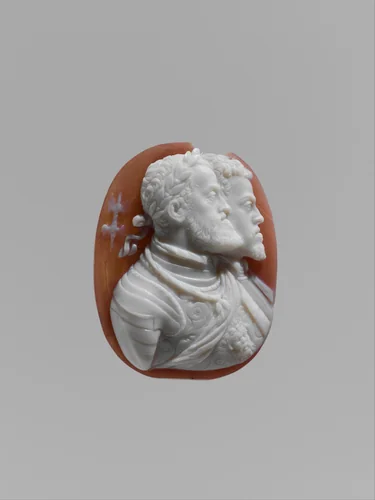
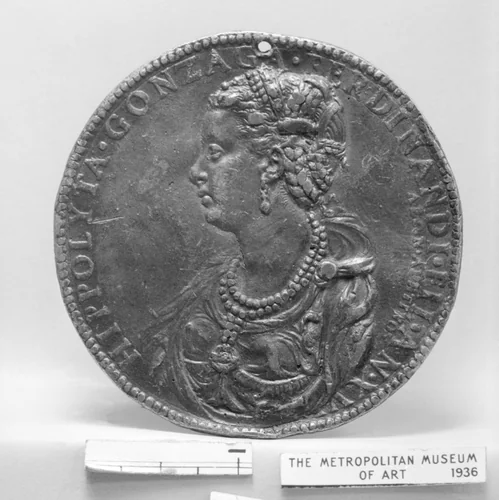
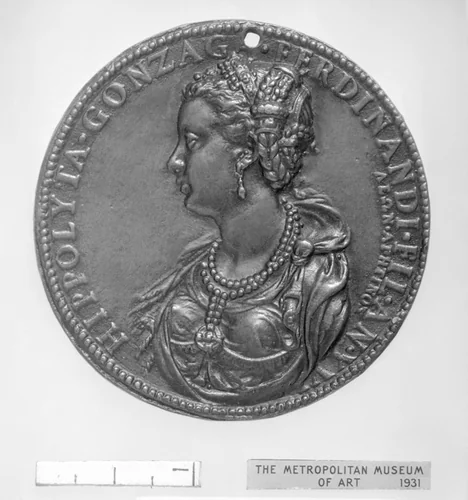
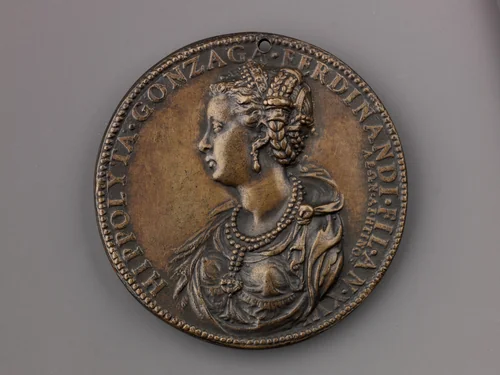
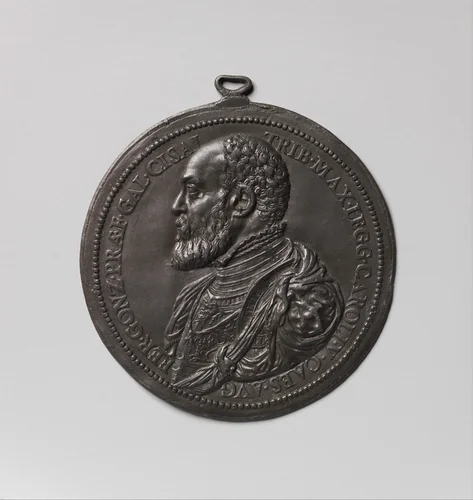
Leoni’s career was defined by his sustained patronage by the powerful Habsburg dynasty. Both Charles V, Holy Roman Emperor, and his son, Philip II of Spain, repeatedly employed Leoni, cementing his status as the court artist for the era’s most influential rulers. While renowned as the finest of the Cinquecento medallists, producing detailed bronze pieces like the celebrated portrait of Emperor Charles V, Leoni was a versatile craftsman. His repertoire extended beyond the intricate metalworks to encompass larger sculptural commissions in marble and alabaster. He also practiced the delicate art of carving gemstones, designed currency, and sometimes left works finished only in preparatory wax.
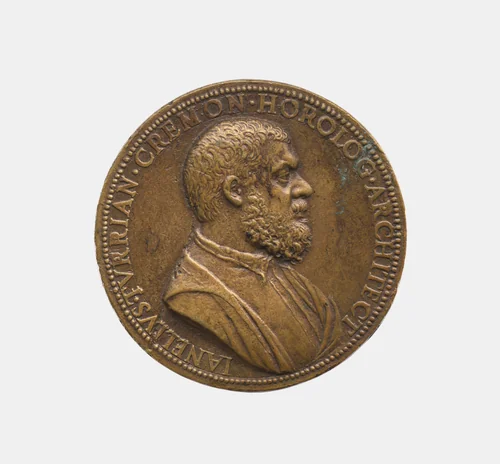
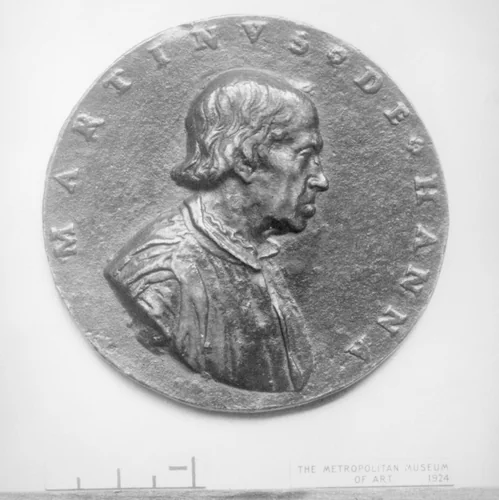
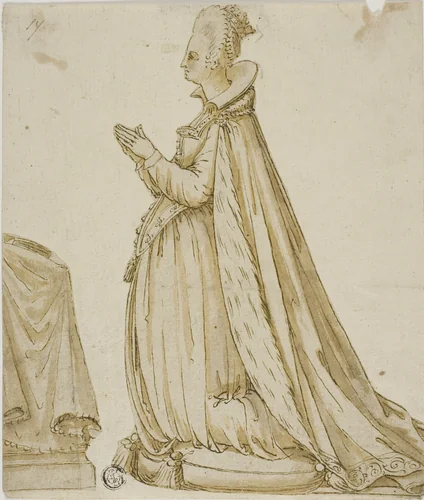
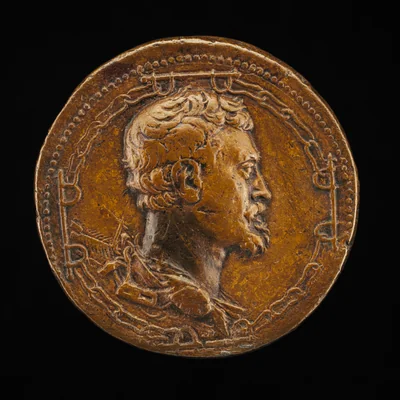
His subjects ranged widely, illustrating both the apex of political power and the rise of the merchant class. Leoni captured prominent figures such as the inventor and engineer Gianello della Torre and members of influential merchant families, including Daniel de Hanna, whose Flemish kin had established themselves successfully in Venice. It is perhaps an understated observation that Leoni, traveling across half a continent to serve royal clients, still found time to precisely document the faces of the rising mercantile aristocracy. These intimate studies, such as the contemplative Lady Before a Prie-Dieu, provide an invaluable visual record of Renaissance society.
Leoni's technical mastery ensured his lasting legacy. His precise, sensitive portraiture defined the aesthetic standards for European court sculpture for decades. His works are now highly sought after, residing in major institutions including the Rijksmuseum, the Metropolitan Museum of Art, and the Art Institute of Chicago. The surviving Leone Leoni prints and high-quality prints of his medals remain highly valued as museum-quality examples of Renaissance metalwork, providing scholars and enthusiasts alike crucial access to this period of European art.
Source: Wikipedia · CC BY-SA 4.0