Leonardo Marini
Leonardo Marini (flourished circa 1700) holds a unique position within the early Baroque drawing tradition, defined equally by his clerical duties and his sophisticated hand as an architectural draftsman. Though chiefly known through historical records as an Italian theologian and archbishop of the Dominican Order, Marini’s lasting contribution to visual culture resides in the compact, compelling portfolio of drawings that survive today, dating from the transitional period leading into the 18th century.
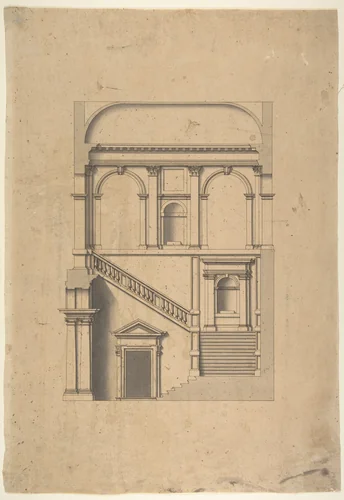
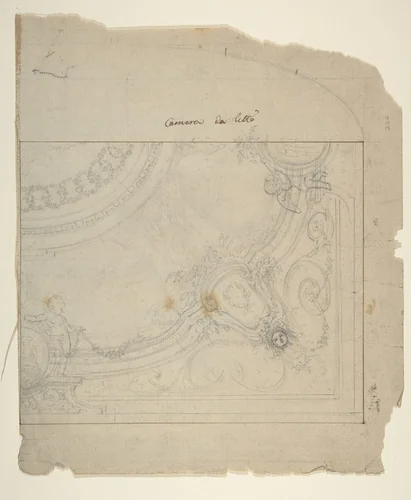
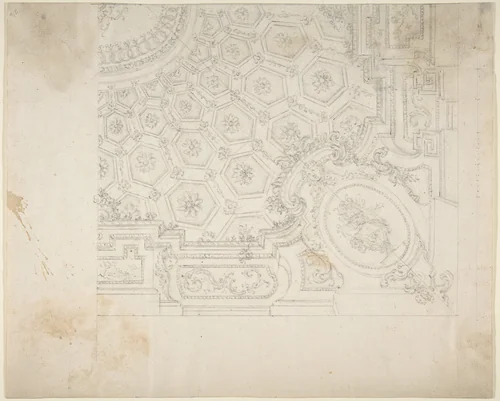
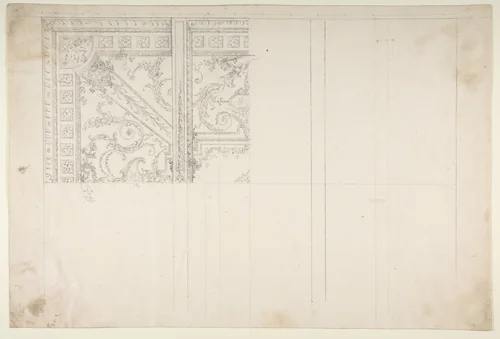
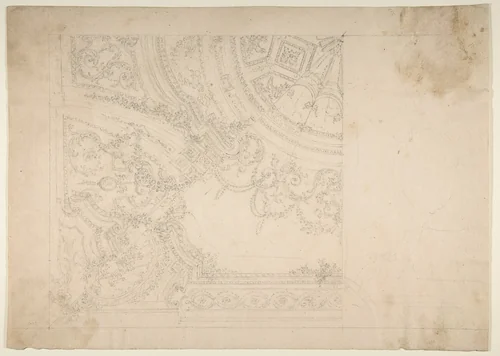
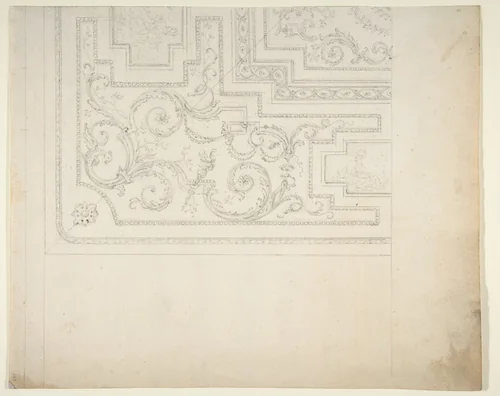
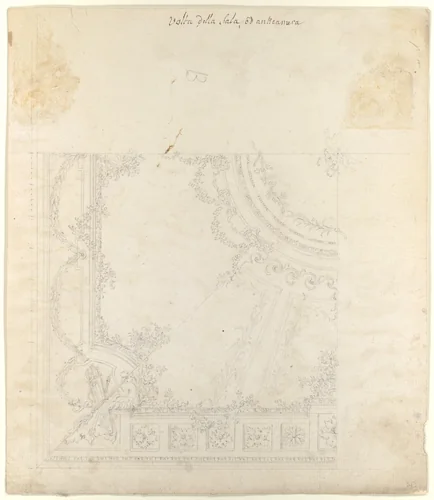
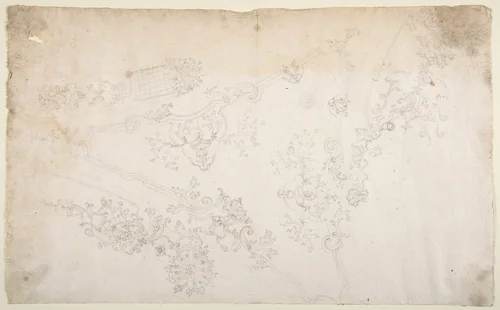
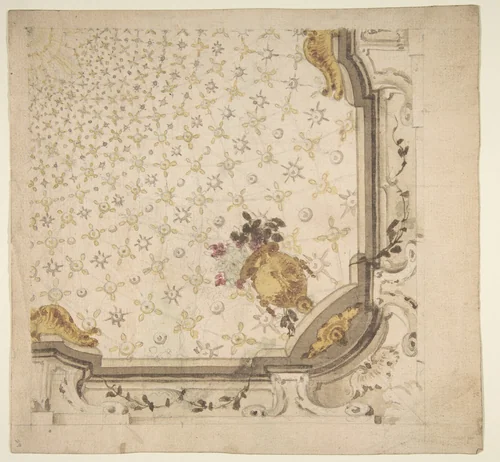
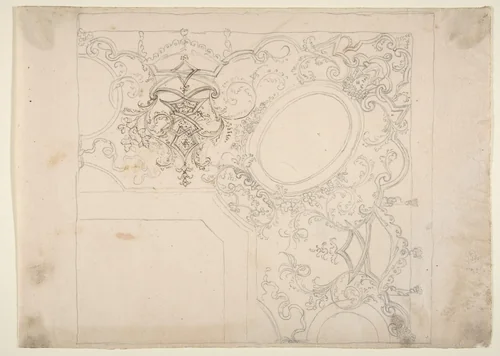
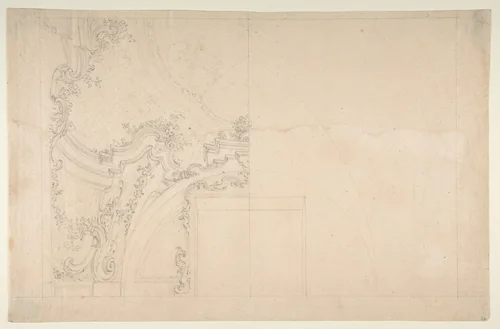
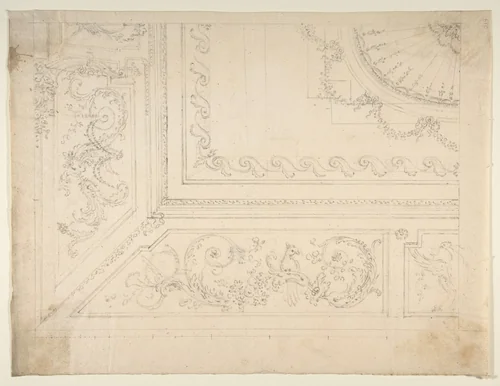
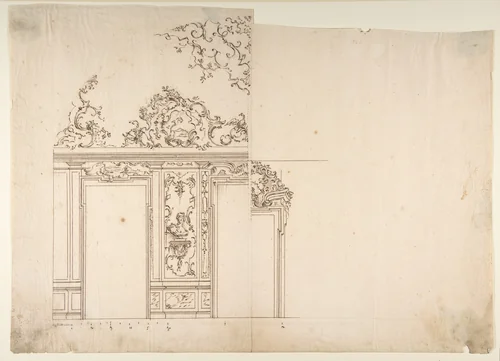
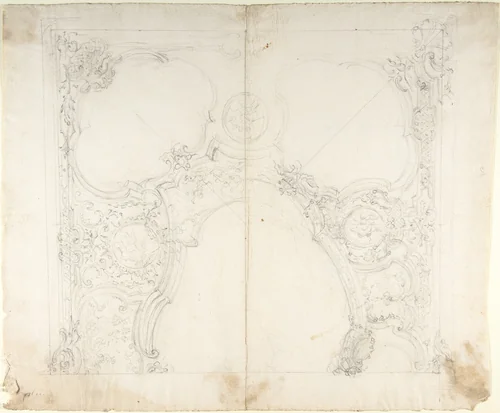
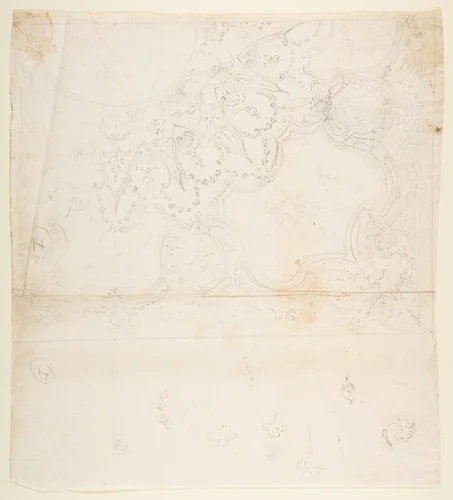
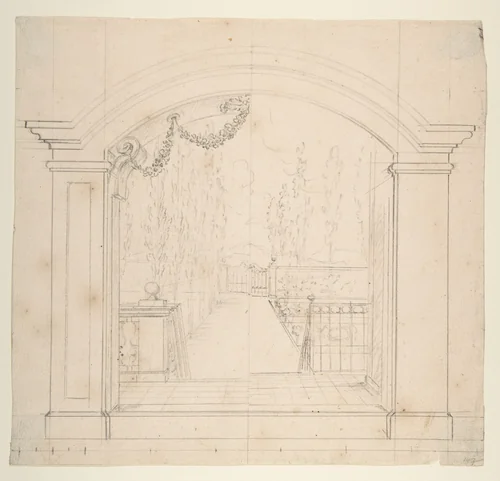
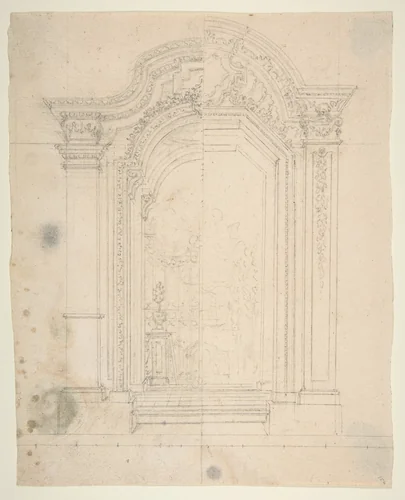
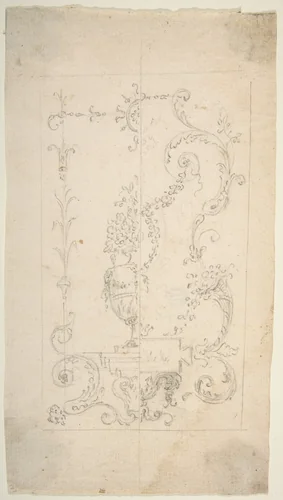
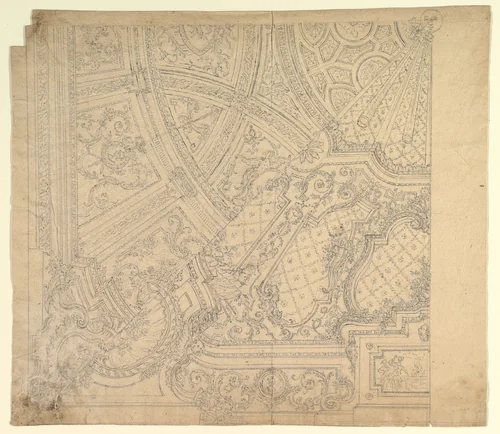
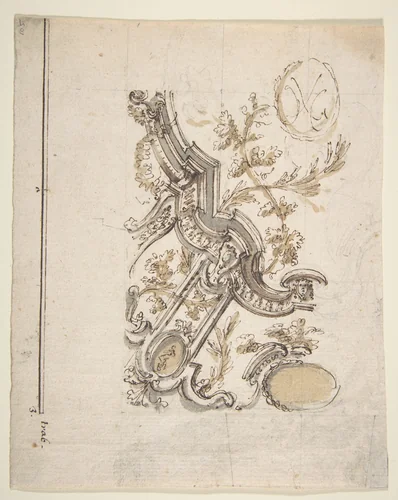
The surviving output, numbering approximately fifteen known drawings, pivots entirely around large-scale architectural design, specifically focusing on interior elevations and complex ceiling treatments suitable for ecclesiastical or noble commissions. Works such as Architectural Design in Section and the various iterations titled Ceiling Design and Design for Ceiling offer a rare glimpse into the practical design aesthetics required at the turn of the 18th century. His designs are characterized by meticulous rendering, utilizing cross-section views to define volume, depth, and the intricate interplay between painted illusion and stucco relief.
The precision required for such specialized work suggests that while Marini occupied high office within the Church, he clearly possessed dedicated training, or at minimum, a profound affinity for the highly formalized language of Late Baroque ornamentation. His drawings prioritize structure over symbolism, offering technical guidance that transcends mere preliminary sketches. It is perhaps an intriguing historical footnote that an Archbishop would dedicate such intense focus to intricate, highly technical schematics, suggesting a deep personal dedication to craft outside of his official duties.
Marini’s significance in documenting the decorative impulses of Italian Baroque architecture is confirmed by the preservation of his work in major collections, including the Metropolitan Museum of Art. These 1700-era pieces are now increasingly accessible to a wider audience. Scholars and enthusiasts seeking royalty-free images for study and reproduction can find many examples of Leonardo Marini prints available as downloadable artwork through major institutional archives, ensuring that his technical genius is preserved for contemporary appreciation.
Source: Wikipedia · CC BY-SA 4.0