Léonard Gaultier
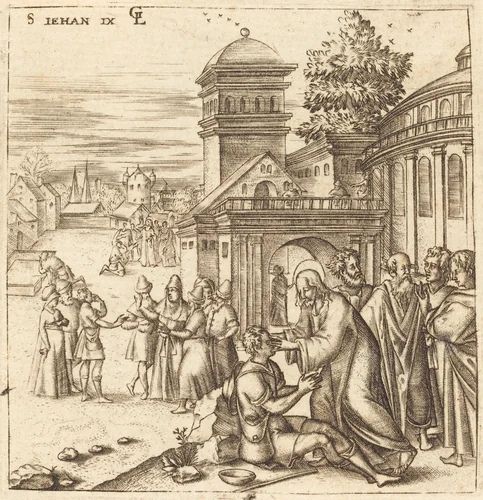
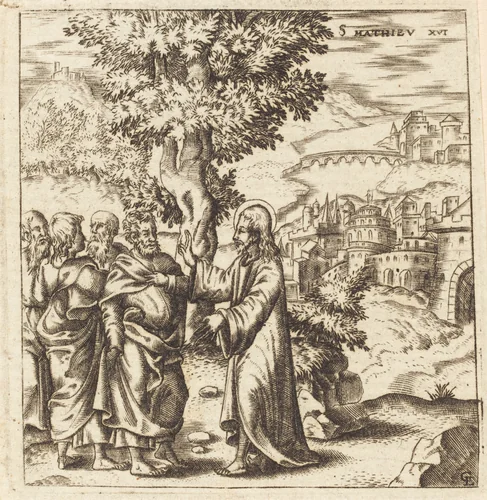
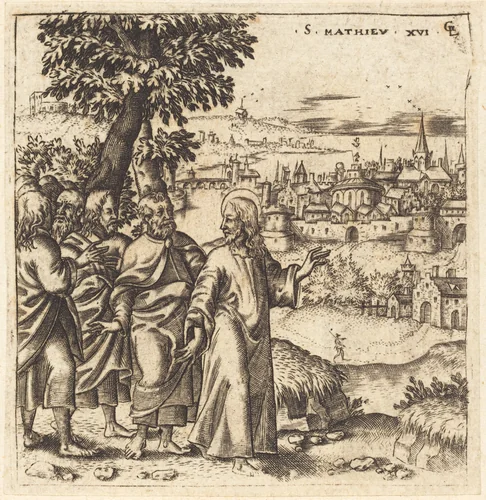
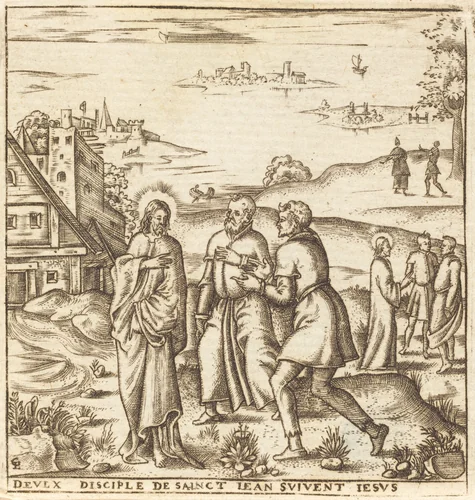
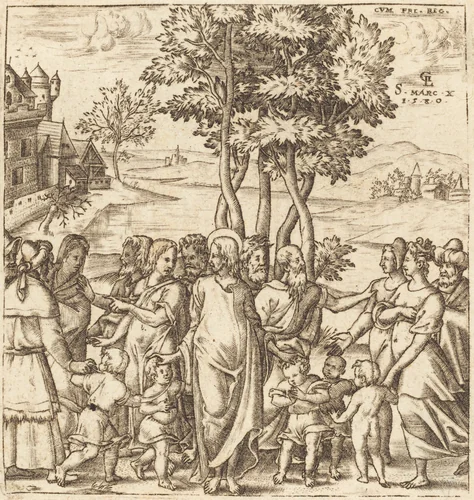
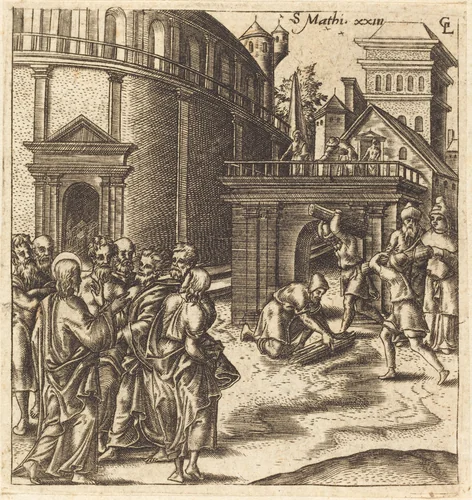
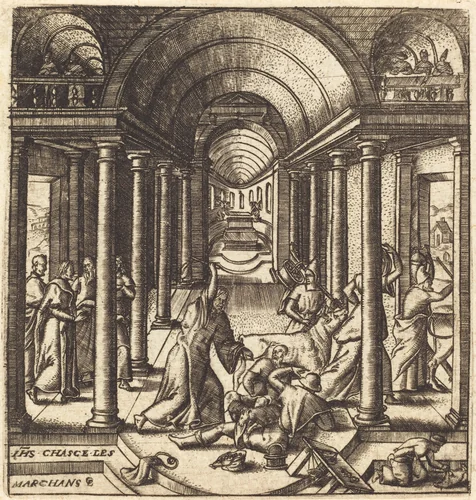
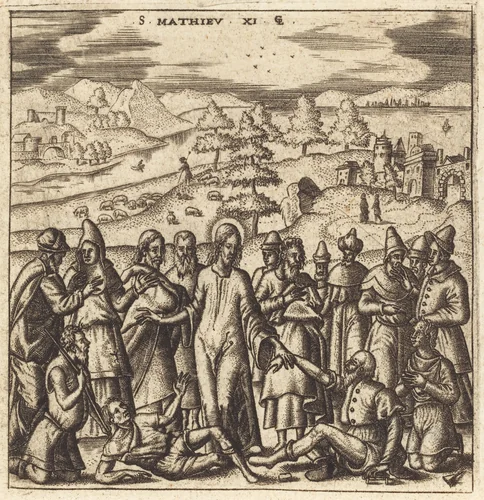
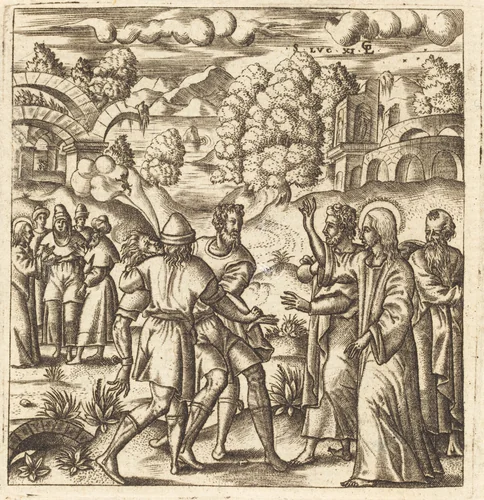
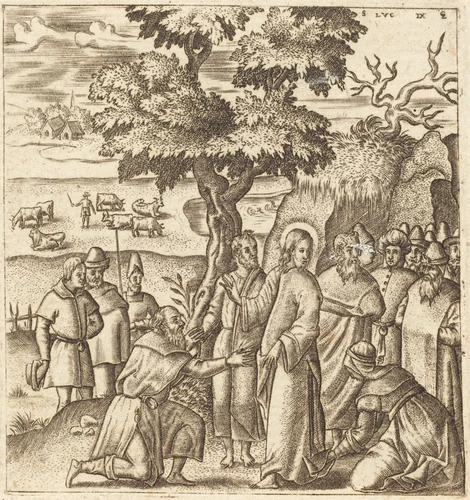
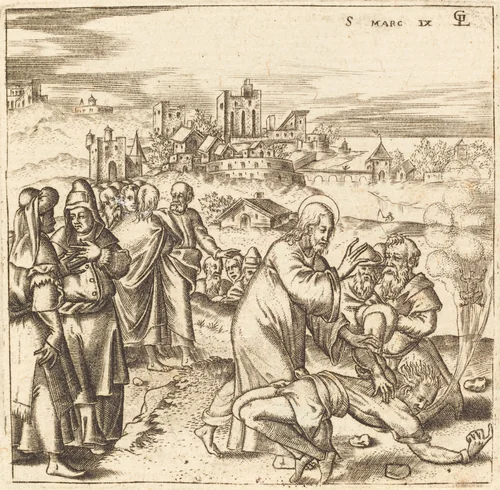
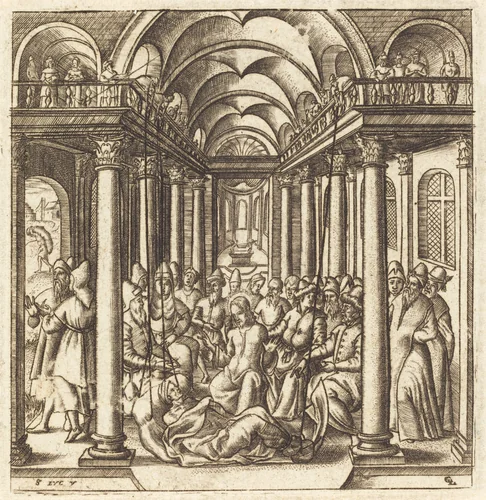
Léonard Gaultier (c. 1561-1641), known also by his variant signature Galter, stands as a significant figure in French engraving, spanning the late Renaissance and early Baroque periods. Born in Mainz and based primarily in Paris, his highly systematic approach to printmaking positioned him stylistically close to contemporaries such as the Wierix family and Crispyn van de Passe. Gaultier’s technical mastery centered on the rigorous application of the graver. His images are characterized by an impressive precision that, while executed with painstaking detail, maintained a stiff and formal manner, a quality often sought after in the intellectual documentation of the era. His substantial body of work is testament to his dedication, with major examples now held in prestigious collections, including the Metropolitan Museum of Art and the National Gallery of Art.
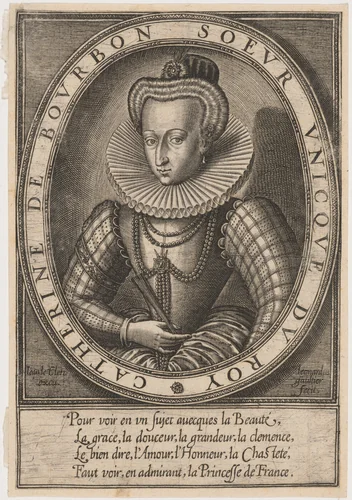
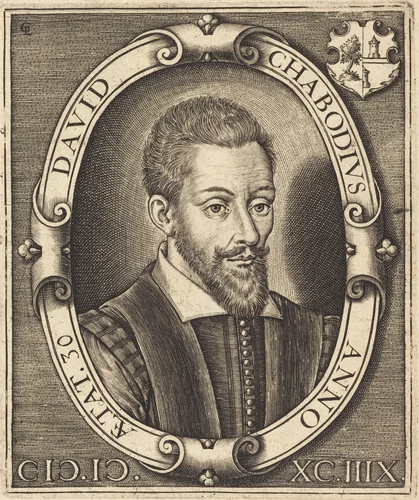
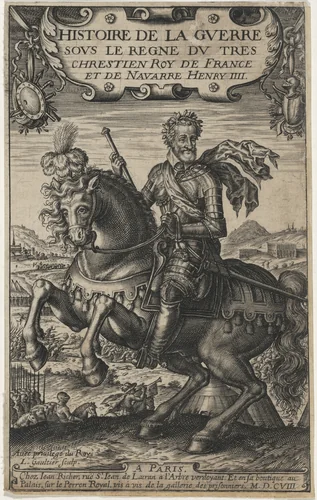
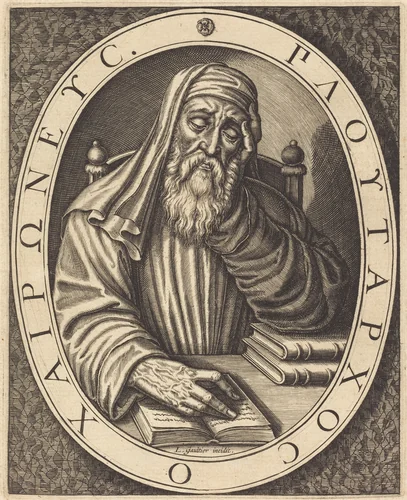
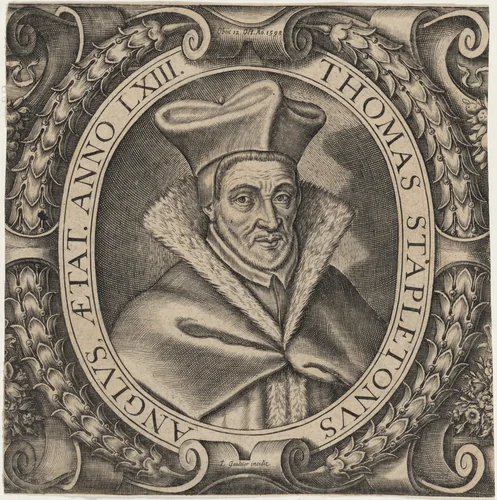
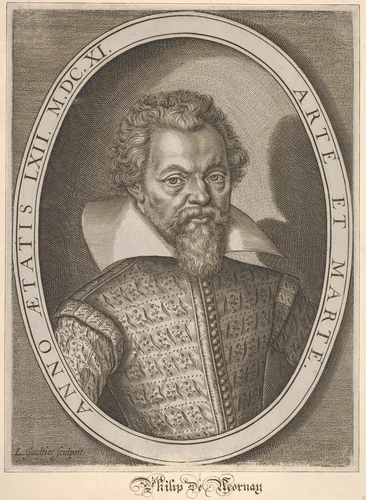
The breadth of Gaultier’s production is perhaps his most notable characteristic, suggesting a relentless industry unmatched by many of his peers. The famed collector Abbé de Marolles, for instance, accumulated over eight hundred distinct prints by Gaultier during his lifetime, many of which were original designs. This astounding output included various subjects, though Gaultier specialized in highly detailed portraits, functioning as one of the era’s most effective visual chroniclers. He captured the likenesses of key historical and religious figures, including Catherine de Bourbon, Henry IV, the classic scholar Plutarch, and the theologian Thomas Stapleton, D.D.
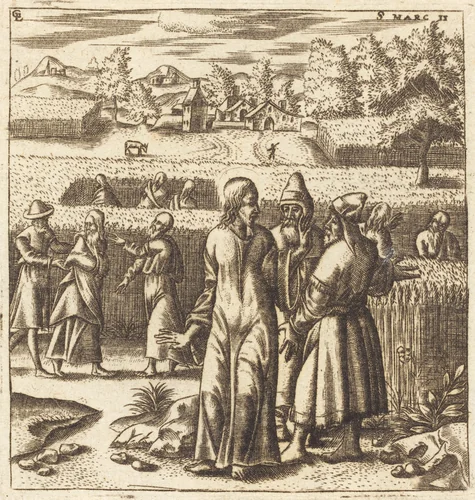
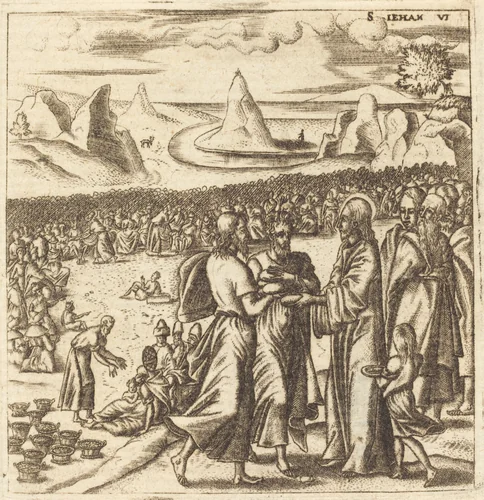
His signature was rendered either using his full name or the distinguishing cipher GL. Gaultier’s commitment to visual accuracy, while sometimes curtailing stylistic fluidity, ensured the historical integrity of his images. This dedication to precision makes Gaultier a valuable source for understanding the visual culture of the 17th century. Today, access to this important historical catalog is broad; these museum-quality prints, once reserved for elite collectors, are increasingly available as high-quality prints through public domain initiatives, allowing scholars and enthusiasts worldwide to study the meticulous line work of this prolific master.
Source: Wikipedia · CC BY-SA 4.0