Leonard Charles Wyon
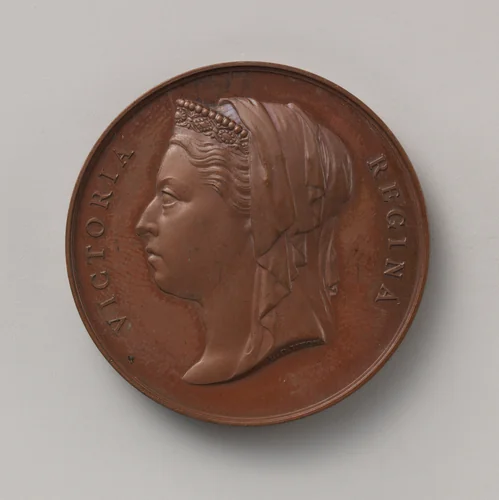
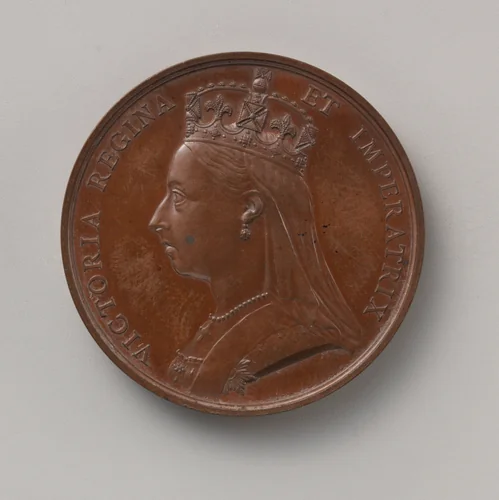
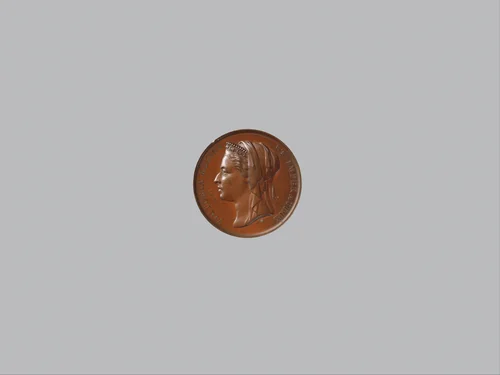
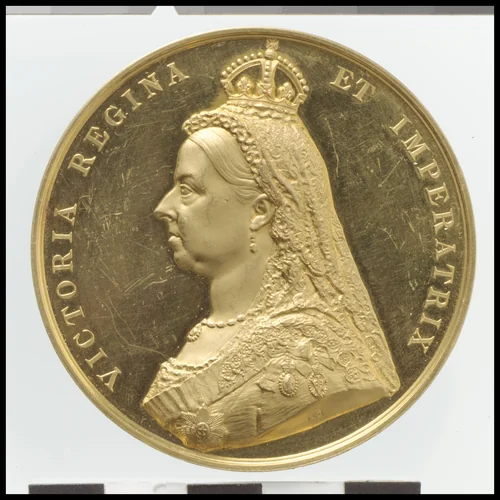
Leonard Charles Wyon (1826-1891) stood as the paramount British engraver of the mid-to-late Victorian era, holding the influential position of Engraver to the Royal Mint for over four decades. His tenure critically defined the aesthetic standard for British currency. Wyon is perhaps most recognized for his comprehensive redesigns of two cornerstone issues: the extensive bronze coinage introduced in 1860, featuring the Queen’s second, simplified “bun” head portrait used through 1895; and the intricate gold and silver issues struck specifically for Queen Victoria’s Golden Jubilee in 1887. This body of work solidified his reputation as a master of miniature relief sculpture and national iconography.
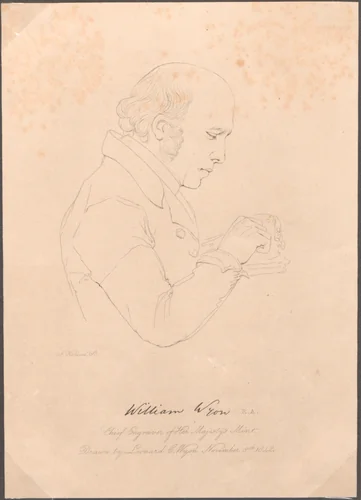
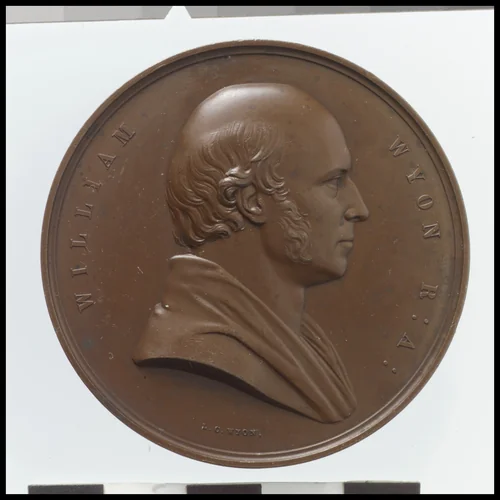
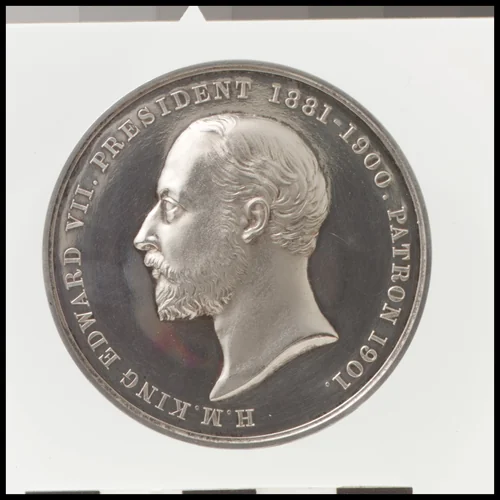
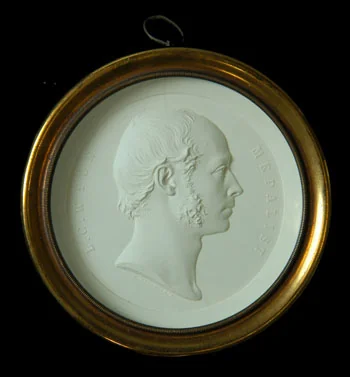
The Wyon family dynasty dominated the Royal Mint for much of the nineteenth century, with Leonard succeeding his celebrated father, William Wyon, R.A., whose portrait he subsequently captured in striking metal reliefs. Working primarily in intaglio, Leonard Charles Wyon’s meticulous process transformed raw metal blanks into enduring symbols of Imperial authority. It is worth noting, however, that despite the gravity of his official portraiture, the popular nickname given to the 1860 bronze design, the "bun head," suggests that even the highest courtly art is ultimately subject to a certain vernacular charm.
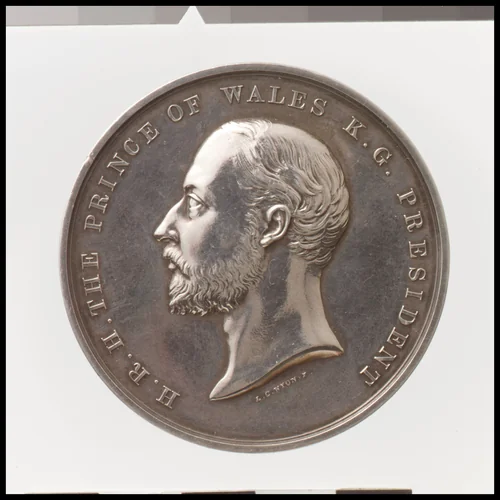
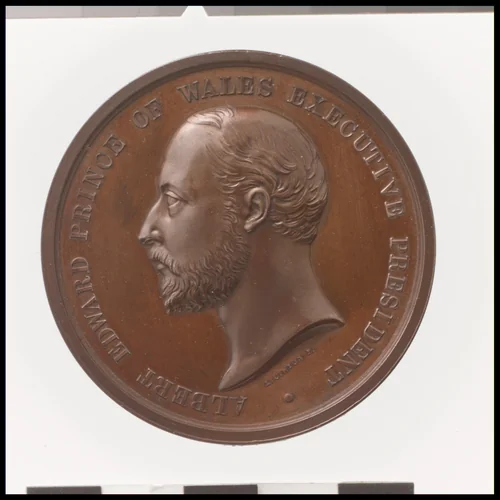
Beyond the currency, Wyon excelled in the creation of commemorative medallic art, preserving both historical events and scientific achievements. His oeuvre encompasses formal presentation pieces like the Prince Albert Technological Exam Medal, alongside crucial military honors that defined the limits of the expanding Empire. His designs for conflict commemoration, such as The Ashantee Medal, granted for the Expedition of 1873–74, and The Afghanistan Medal (1878–80), remain essential visual documents of Victorian military history. Researchers often access his preparatory sketches, which are now available as downloadable artwork, providing valuable insight into his exacting standard of craftsmanship.
Active professionally from 1842 until 1901, Wyon maintained the exacting standards of British numismatic art into the modern age. While his name is less often discussed than the painters and sculptors of his time, his direct influence on daily life was arguably greater, stamping the image of the sovereign onto millions of pieces of currency and maintaining a high level of museum-quality detail in mass production. His definitive works are held in major institutions globally, including the Metropolitan Museum of Art, and high-quality prints of his designs are often available in the public domain for scholarly study.
Source: Wikipedia · CC BY-SA 4.0