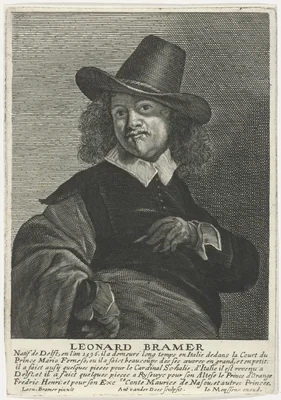
Leonaert Bramer
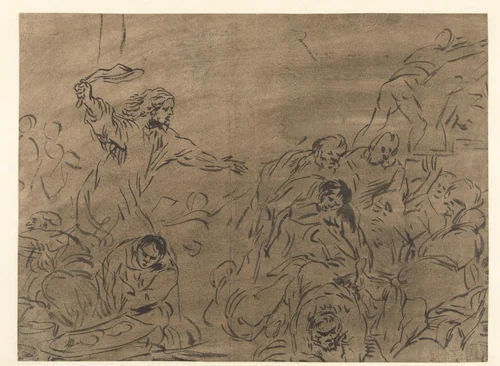
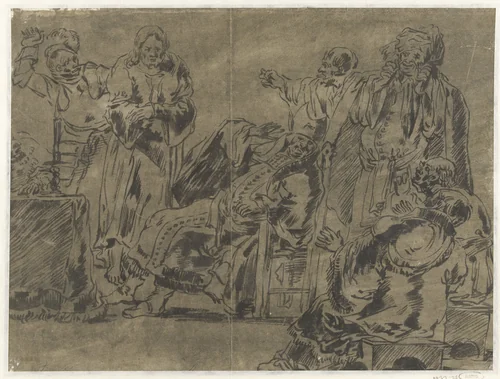
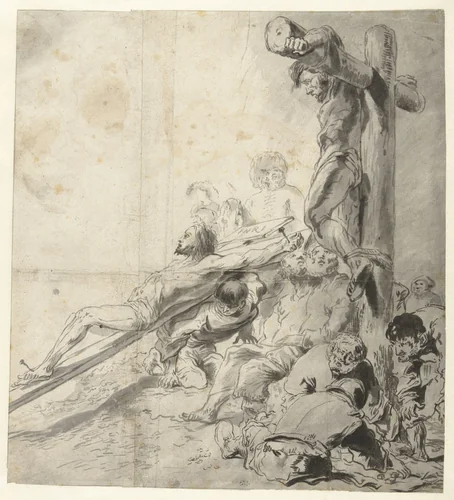
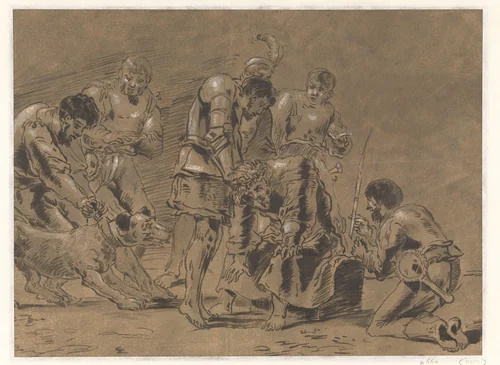
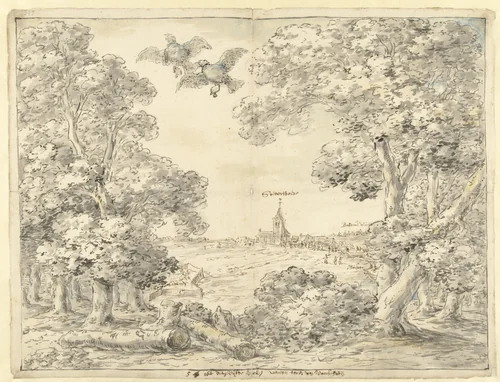
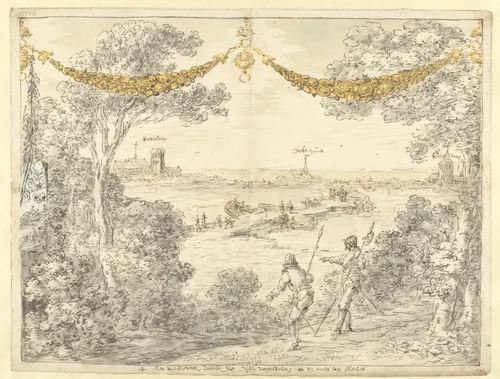
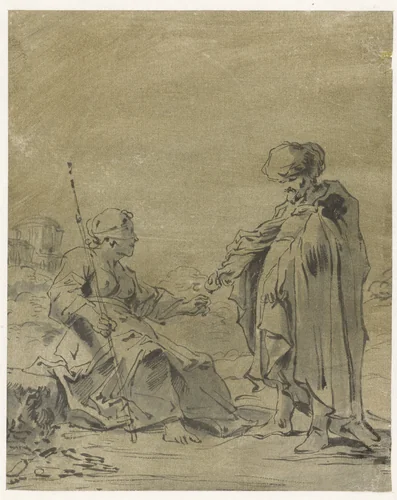
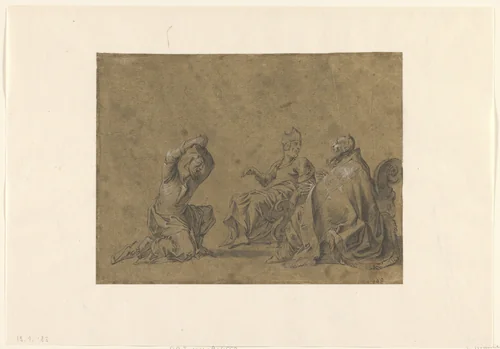
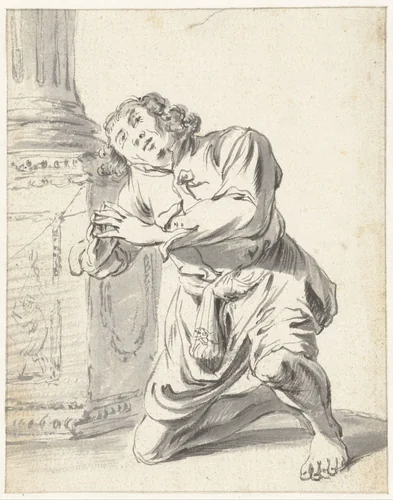
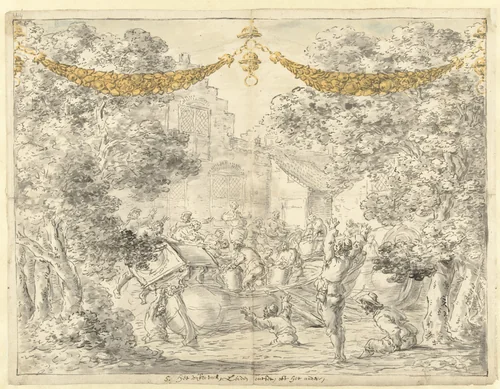
Leonaert Bramer (circa 1596-1674) holds a distinctive, if sometimes complex, position within the realm of 17th-century Dutch painting. Highly prolific as both a painter and a draftsman, his surviving output reveals an artist equally adept at genre scenes, history subjects, and demanding religious narratives. While many of his contemporaries focused on localized interiors or exacting portraiture, Bramer maintained a sophisticated breadth of subject matter, exemplified by powerful compositions such as Christus voor de Hogepriester and the dramatic De doornenkroning.
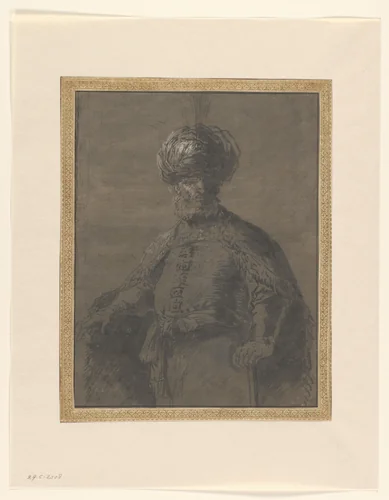
Bramer is perhaps most renowned for his distinctive use of chiaroscuro in nocturnal scenes, a technique that allows for intense psychological drama. These night compositions are frequently characterized by a keen observational interest in the exotic, often utilizing complex or foreign elements in costume and setting to heighten the narrative flair. This fascination with theatrical presentation also informed his ambition in decorative work. He notably undertook projects rarely attempted in the Northern Netherlands, including the execution of frescos and large-scale murals on canvas. While his frescos, a technical rarity north of the Alps, have largely perished, their existence underscores Bramer’s willingness to push beyond conventional Dutch practices.
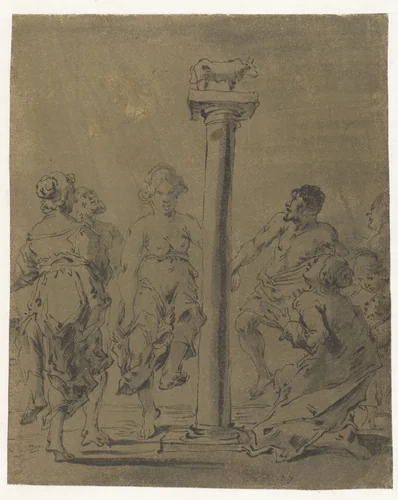
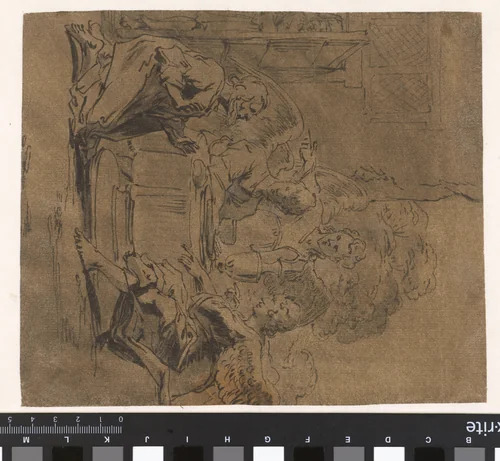
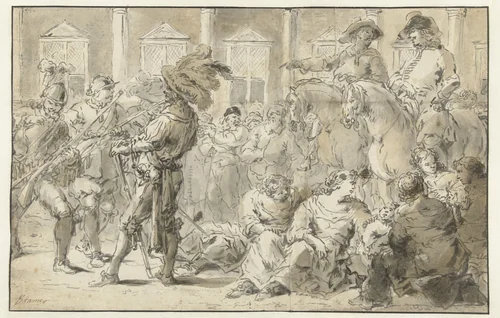
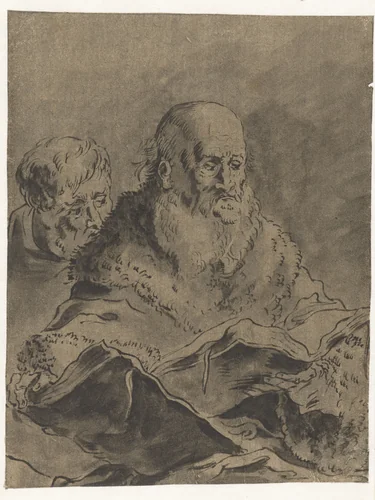
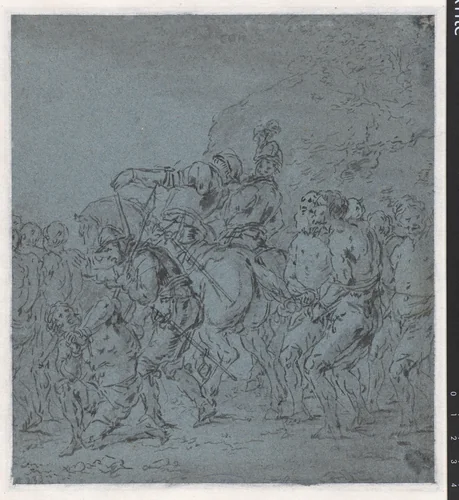
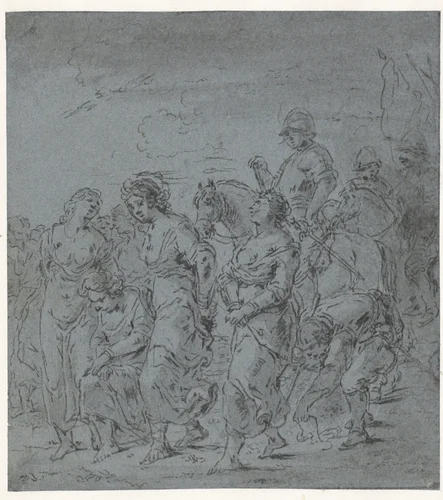
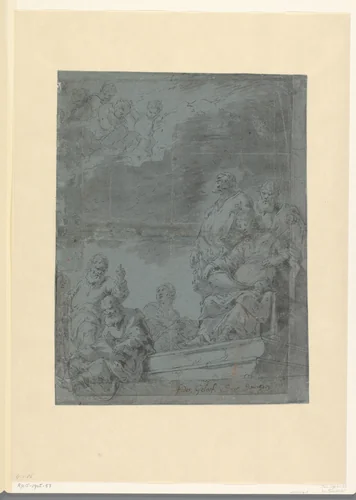
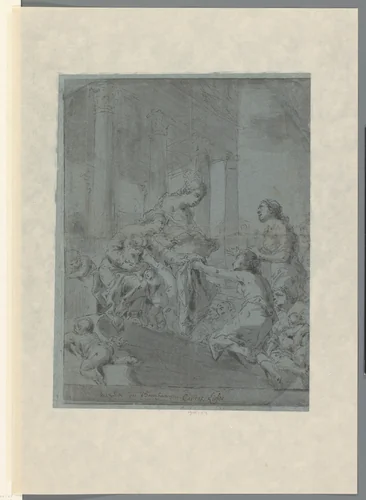
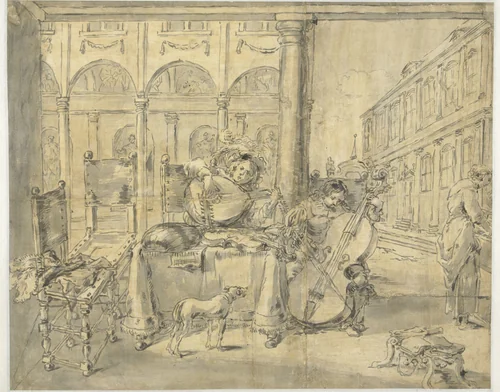
The sheer volume of his graphic and painted work remains remarkable. Although many of the large decorative commissions are now lost, the core body of Leonaert Bramer paintings and drawings, such as the compelling Dans om het gouden kalf, continues to anchor his reputation. His extensive production of drawings demonstrates a mastery of quick, emotive sketches essential for his dynamic compositions. Major institutions, including the Rijksmuseum, maintain extensive collections of his oeuvre. It is this unusual combination of technical daring, prolific output, and thematic complexity that establishes him as one of the most intriguing personalities in the art of the Golden Age. Fortunately, much of this material is now in the public domain, making high-quality prints and downloadable artwork readily accessible to researchers and enthusiasts globally.
Source: Wikipedia · CC BY-SA 4.0