Leon Levinstein
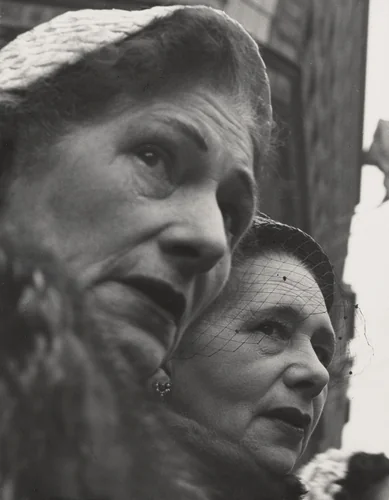
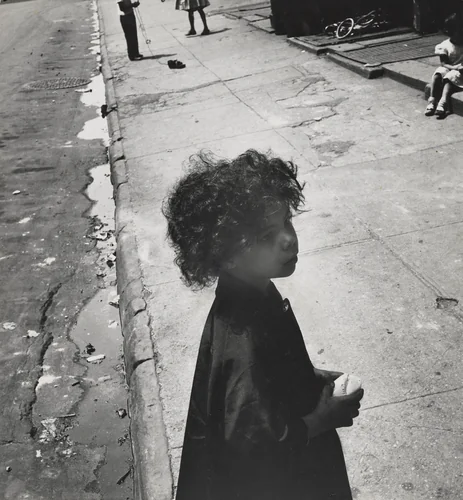
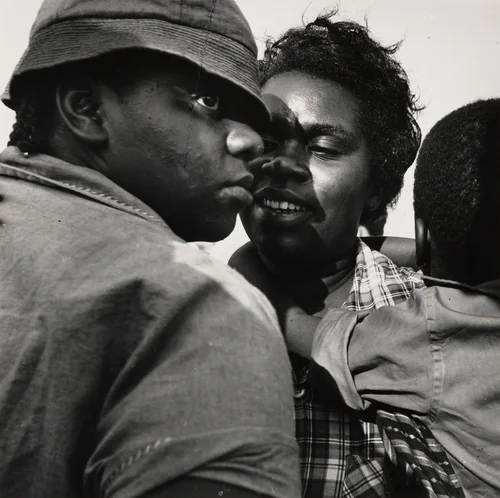
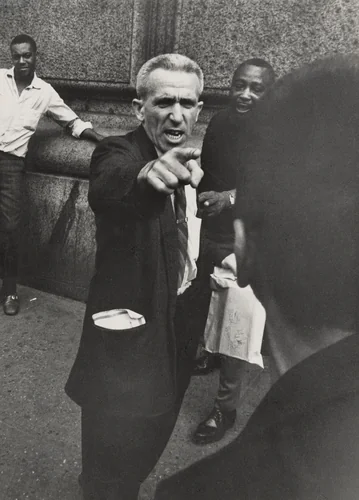
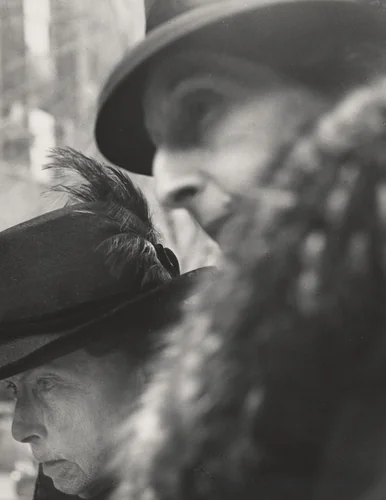
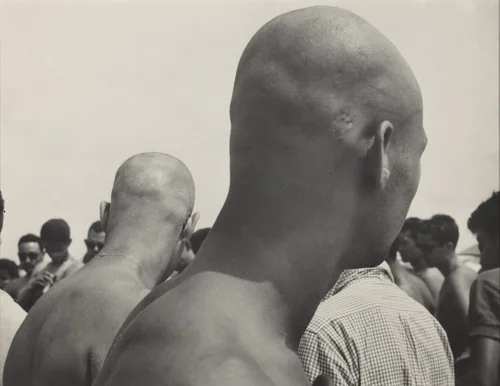
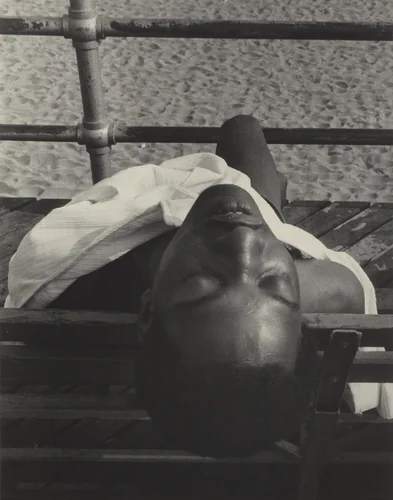
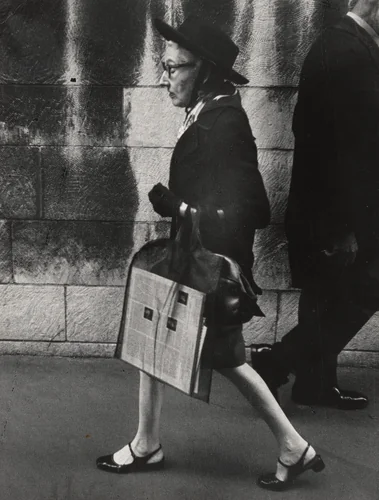
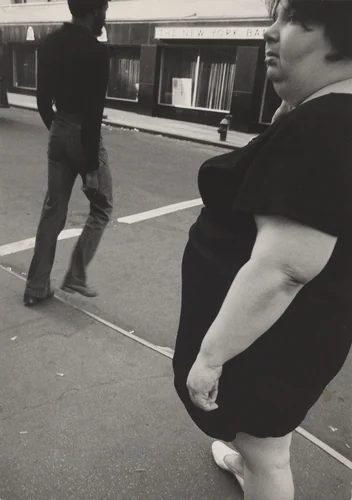
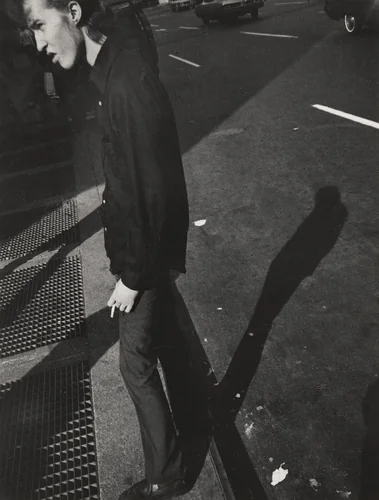
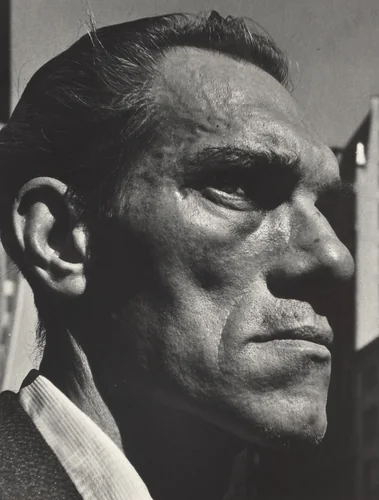
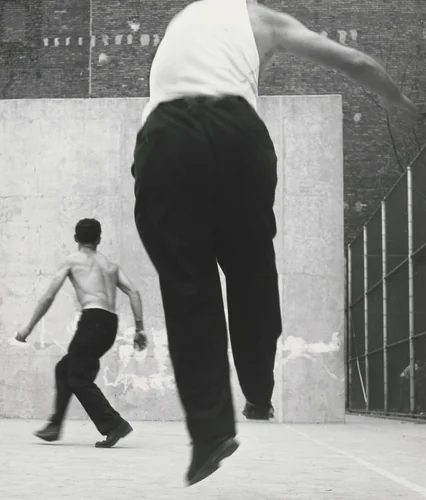
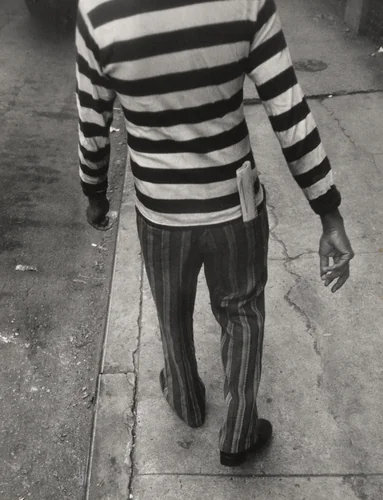
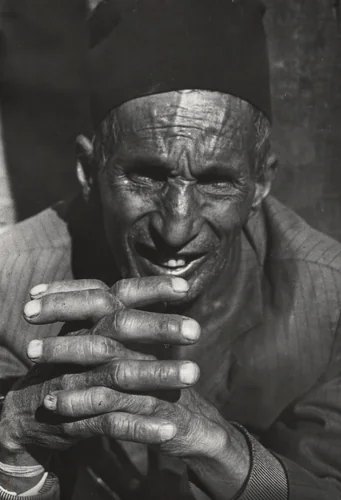
Leon Levinstein (1910–1988) stands as a foundational figure in postwar American photography, defined by his raw, unvarnished chronicling of New York City street life between the 1950s and the 1970s. Working in the immediate wake of World War II, Levinstein developed a signature style characterized by unflinching immediacy and a decisive closeness to his subjects. He operated alongside contemporaries who were reshaping photographic conventions, yet his specific vision possessed a unique blend of formal rigor and emotional spontaneity.
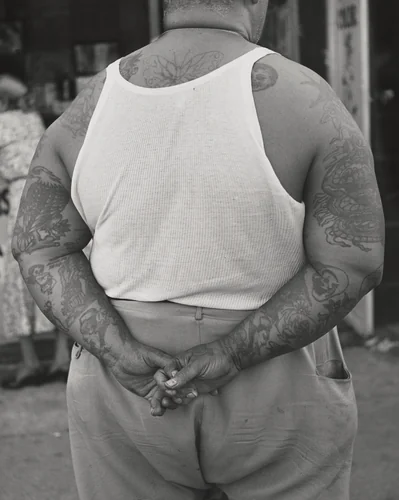
Levinstein dedicated decades to documenting the rhythm and chaos of the metropolis. He rejected formal distance, often employing wide-angle lenses to emphasize the physical energy and sometimes uncomfortable proximity of the metropolitan experience. Unlike documentarians focused solely on broad social commentary, Levinstein was concerned primarily with human form and gesture, using the urban environment as a fluid, demanding backdrop. Works such as 155 East 52nd Street and the compelling study Back Tattoo demonstrate his relentless pursuit of momentary visual truths. His subjects, whether relaxing on a stoop or engaged in hurried commerce, possess a palpable weight and vulnerability that transcends mere candid capture.
His photographic process, often conducted under demanding circumstances, frequently involved a unique form of self-sabotage: he would occasionally forget to wind the film in his camera, creating intentional gaps in the visual record that underscore the highly intuitive, almost accidental nature of his genius. This commitment to a rigorous, often challenging photographic practice was formally recognized in 1975 when he received a prestigious Guggenheim Fellowship from the John Simon Guggenheim Memorial Foundation.
Though Leon Levinstein prints were celebrated by peers throughout his career, he achieved mainstream institutional success later in life. Today, his powerful photographs remain highly regarded by institutions, including the National Gallery of Art, which holds numerous examples of his unflinching vision in its permanent collection. Scholars and enthusiasts seeking to study his mastery of light, shadow, and human interaction can now access high-quality prints and downloadable artwork derived from his influential estate, ensuring his continued legacy in the history of American street photography.
Source: Wikipedia · CC BY-SA 4.0