Léon Davent
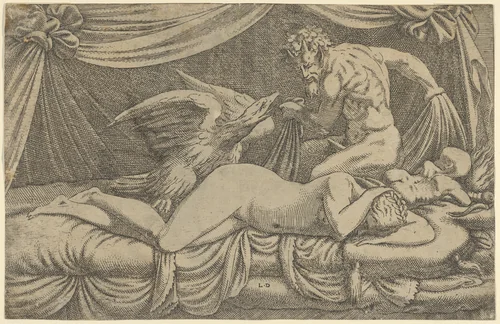
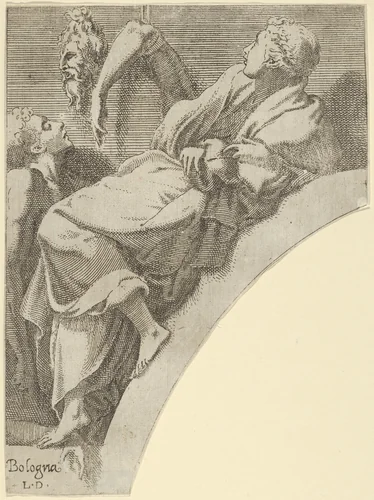
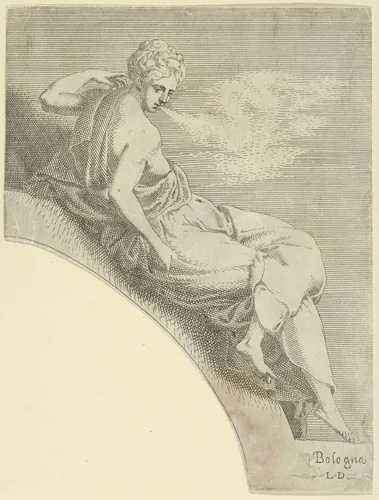
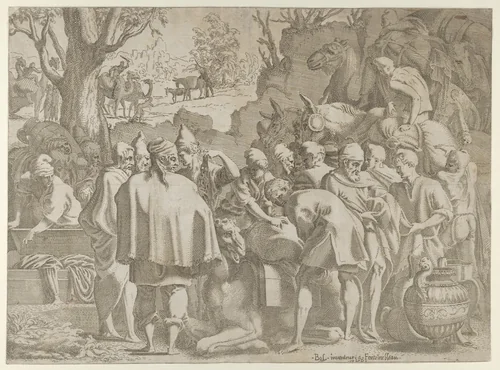
Léon Davent was a pivotal French printmaker of the mid-sixteenth century whose production was instrumental in transmitting the sophisticated aesthetic of the First School of Fontainebleau across Europe. Active during the critical period when Italian Mannerism was being integrated into the French court, Davent distinguished himself through mastery of both line engraving and etching, media essential for the visual revolution taking place at the royal residence.
Davent was a leading figure in the specialized printmaking workshop established directly at the Palace of Fontainebleau, likely operating during the 1540s. The primary directive of this unprecedented venture was to meticulously record and broadcast the complex, newly developed style being forged under the patronage of Francis I. This demanded the replication of major subject paintings as well as the intricate, highly influential ornamental stucco work and decorative schemes that defined the School. Davent was among the select few entrusted with this role, suggesting a high level of technical proficiency and artistic understanding.
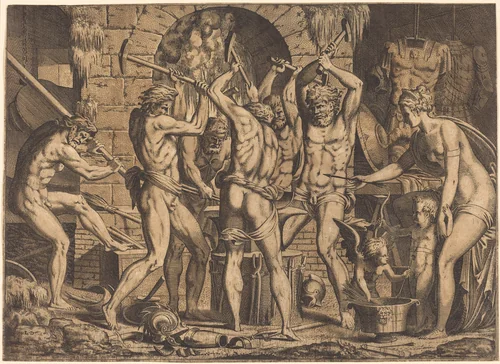
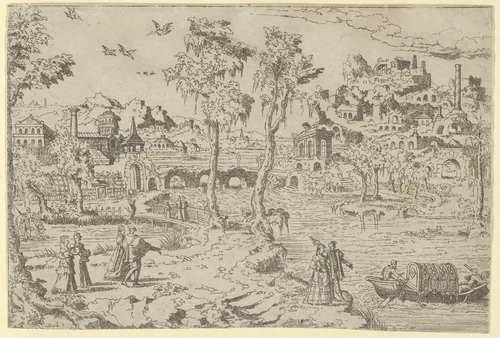
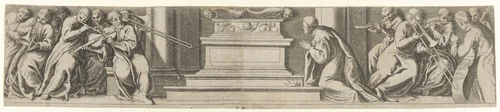
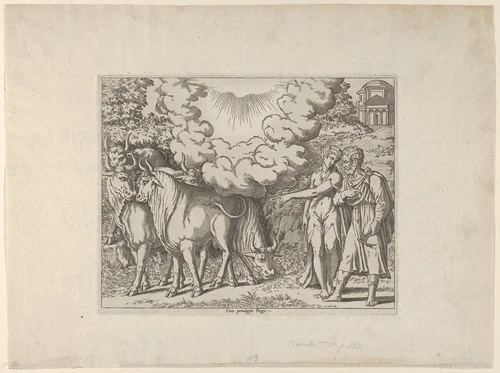
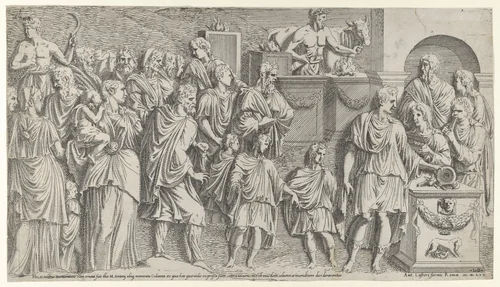
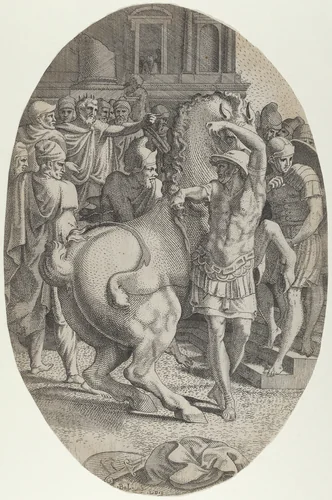
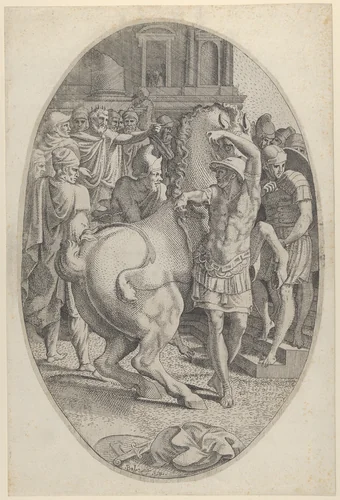
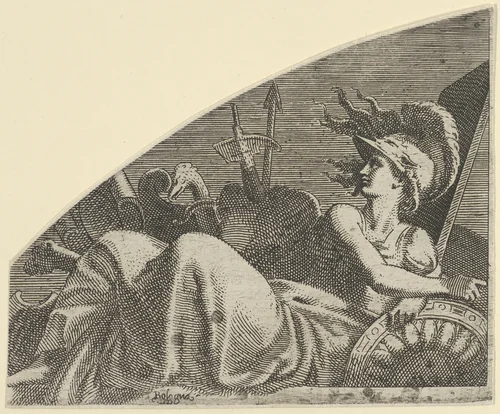
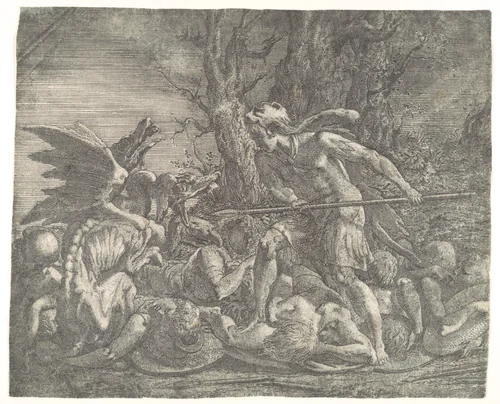
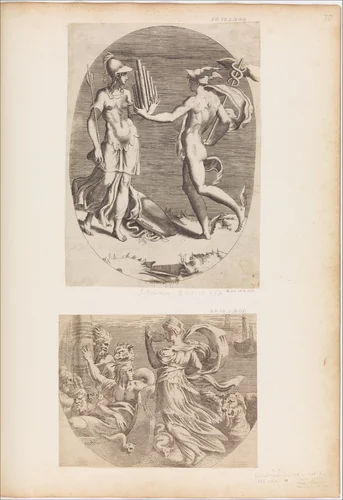
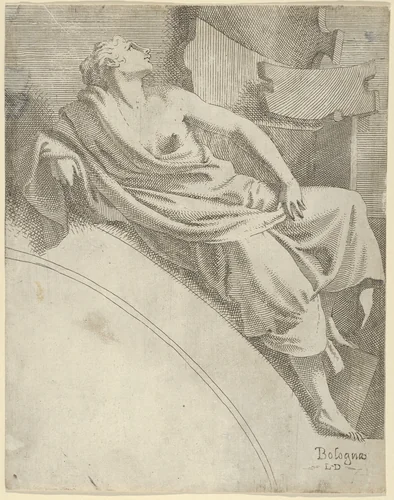
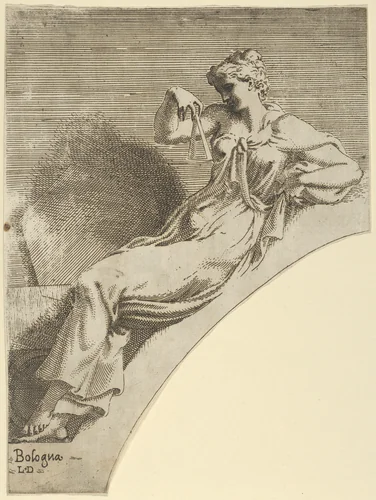
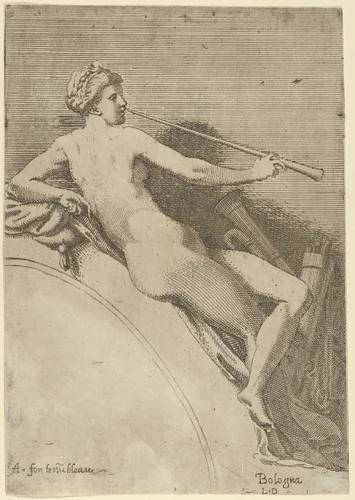
Davent’s body of work, comprising around fifteen known plates, is predominantly based on designs originating from the court’s chief Italian artists, notably Francesco Primaticcio, though he also executed compositions by Luca Penni and others. His particular talent lay not merely in faithful reproduction but in robust translation; critics noted his works were "rendered boldly and freely," capturing the dynamic energy and plasticity of the original designs rather than simply tracing them. This interpretive freedom is evident in complex mythological scenes like Venus at Vulcan's Forge and the allegorical Cupid with Bandaged Eyes.
The creation of these Léon Davent prints constituted an early, organized effort to define a national style through reproductive media, effectively distributing the intellectual property of the French Crown. These high-quality prints were vital cultural documents, ensuring the longevity and wide circulation of the ephemeral court decorative schemes. Today, Davent’s foundational contribution to French Mannerism is preserved in major collections internationally, including the Metropolitan Museum of Art and the National Gallery of Art, making many of his designs available to the public domain through institutional digitization efforts.
Source: Wikipedia · CC BY-SA 4.0