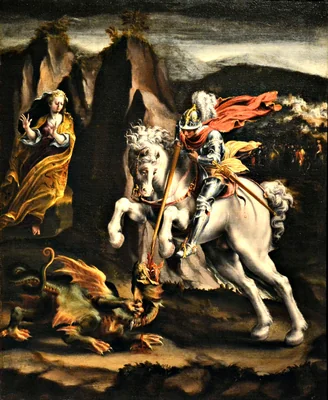
Lelio Orsi
Lelio Orsi, often identified by the regional moniker Lelio da Novellara, stands as a critical and highly stylized figure within sixteenth-century Italian art. Active between 1500 and 1575, Orsi was a central proponent of Mannerism and architecturally trained, anchoring the influential Reggio Emilia school in northern Italy. His works represent a sophisticated bridge between the classical idealism of the High Renaissance and the dramatic intensity that would define the Baroque era.
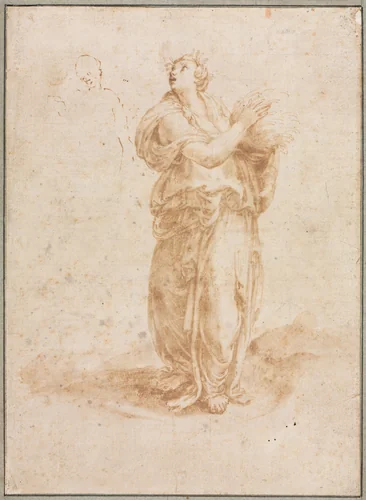
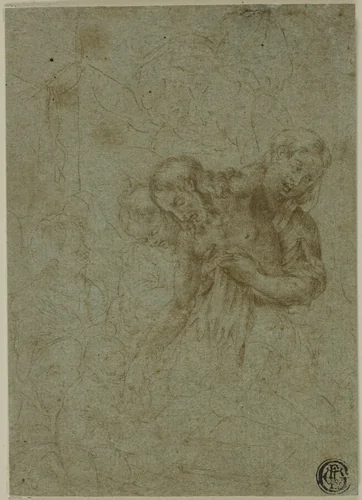
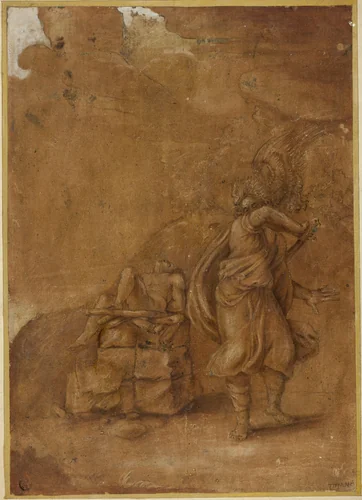
Orsi’s significance rests heavily on his virtuosic abilities as a draftsman. While paintings by his hand are rare, his detailed, complex, and often kinetic drawings have preserved his reputation as an artist of restless, intellectual intensity. He employed dramatic foreshortening and highly exaggerated figura serpentinata, techniques evident in works such as Ceres and the emotionally charged study, Dead Christ Supported by Holy Women and Angels. These compositions prioritize psychological tension and fluid movement over strict structural symmetry, demonstrating the core tenets of the Mannerist project.
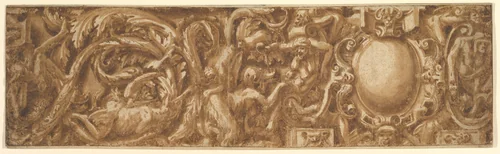
A particular facet of Orsi’s skill lies in his capacity to imbue small-scale works with monumental feeling. Even an item intended for structural adornment, such as the Ornamental Frieze, pulsates with energy and complex interlocking forms. One might note the irony that while Orsi trained as an architect, his most enduring contribution to art history is the design work he produced on paper, rather than the structures he realized in stone.
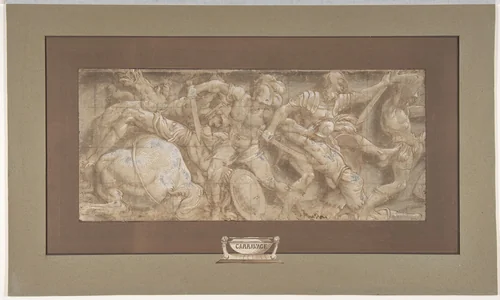
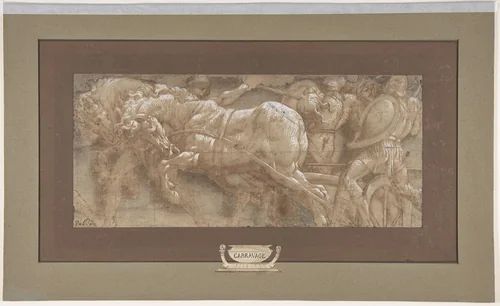
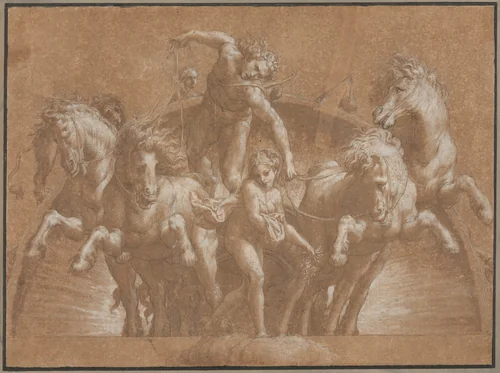
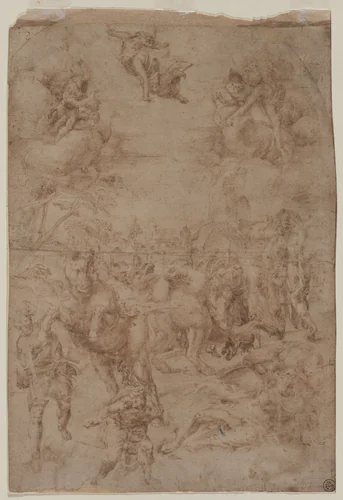
Today, Lelio Orsi prints and original drawings are highly valued for their historical insight and technical excellence. His limited yet impactful corpus is held in esteemed international collections, including the Art Institute of Chicago, the Cleveland Museum of Art, and the Metropolitan Museum of Art. Because many of his essential preparatory drawings now reside in the public domain, high-quality prints and downloadable artwork ensure that the precise, kinetic line work and innovative composition of this master of Reggio Emilia remain accessible for contemporary scholarly examination. Works like Triumphal Scene or the vigorous Battle Scene confirm Orsi’s status as a master visual storyteller whose influence extended well beyond his native region.
Source: Wikipedia · CC BY-SA 4.0