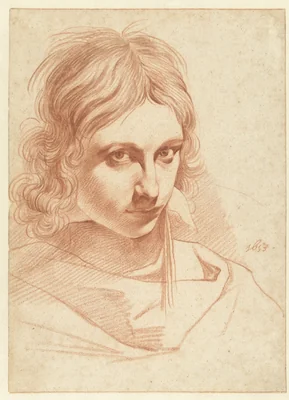
Leendert van der Cooghen
Leendert van der Cooghen (c. 1610-1653) occupies a distinctive, if understated, position within the artistic landscape of the Dutch Golden Age. Active as a painter, draughtsman, and printmaker in Haarlem, Van der Cooghen was unusual among his contemporaries in that he worked primarily as an amateur artist of independent means. This financial autonomy afforded him the liberty to pursue subjects and styles driven purely by technical curiosity rather than market demands, resulting in a small but exquisitely concentrated oeuvre.
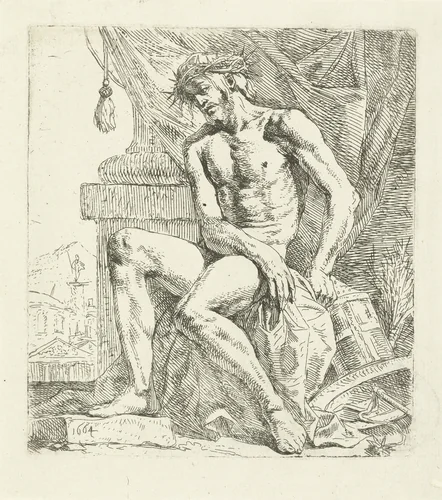
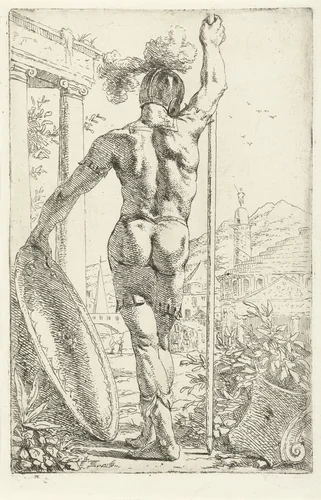
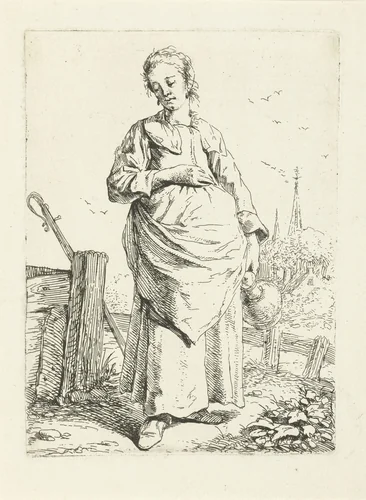
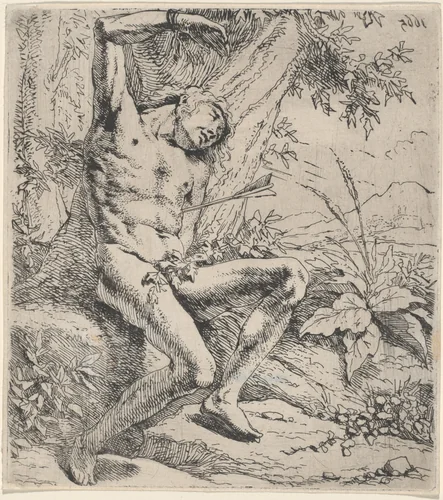
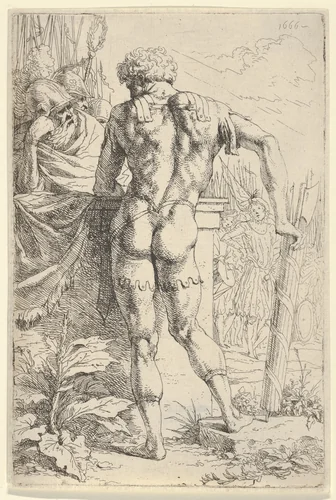
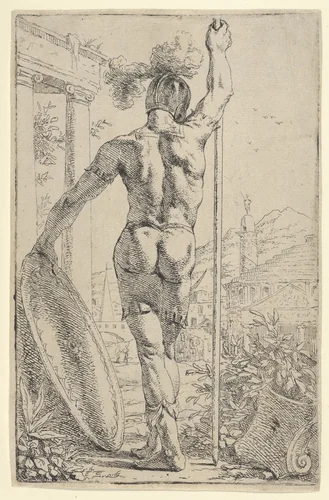
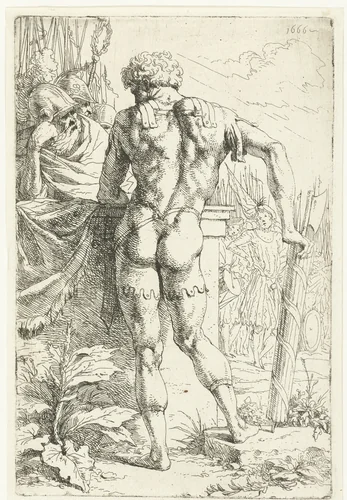
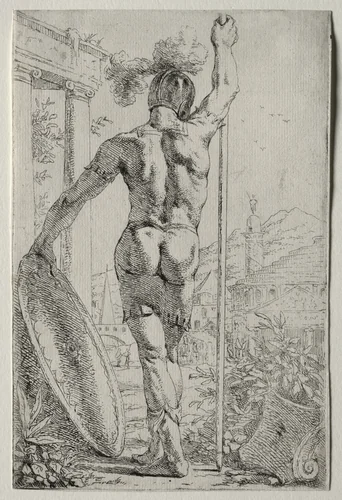
His surviving output consists mainly of drawings, which represent the major portion of his artistic record. This intimate scale allowed him to focus intensely on technical precision, especially in rendering the human form and expression. Works like Hoofd van een jongen and the powerful David met het hoofd van Goliath reveal a mastery of chalk and light, capturing subtle psychological nuances through precise draughtsmanship. While he occasionally turned his hand to complex narrative scenes, such as The Board Players, his true innovation lay in these detailed, museum-quality figure studies.
It is an interesting historical footnote that, despite never needing to pursue art commercially, his technical skill was so undeniable that he gained official recognition from his peers. Van der Cooghen was formally admitted to the prestigious Haarlem Guild of Saint Luke in 1652, just one year before his death, confirming the high regard fellow artists held for his ability, irrespective of his amateur status.
Today, Van der Cooghen’s work is highly prized for its clarity and technical polish, anchoring important collections at institutions like the Rijksmuseum and the National Gallery of Art. Due to the scarcity of his original works, access to his characteristic style is often provided through Leendert van der Cooghen prints. Many of these important studies have long entered the public domain, making high-quality prints and downloadable artwork widely available for academic study, ensuring his legacy as a refined, key figure of the Haarlem school endures.
Source: Wikipedia · CC BY-SA 4.0