Lee Hager
Lee Hager was an artist active primarily during the mid-1930s. Their documented work spans the years 1935 through 1937, positioning them within the era of major federally sponsored art documentation projects in the United States. Hager contributed notably to the Index of American Design (IAD), a vast Works Progress Administration (WPA) initiative established to create a comprehensive visual record of historic American decorative and folk arts.
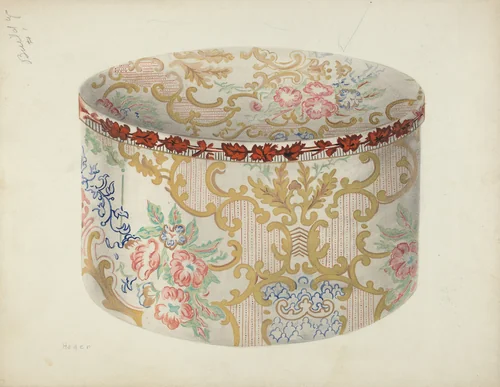
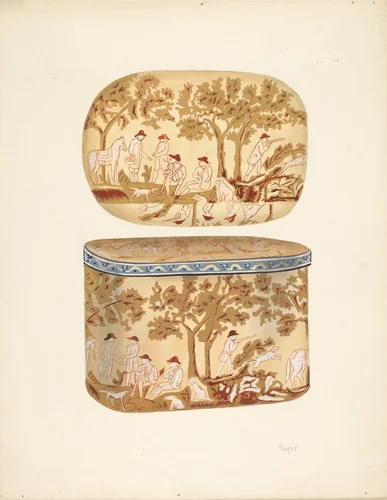
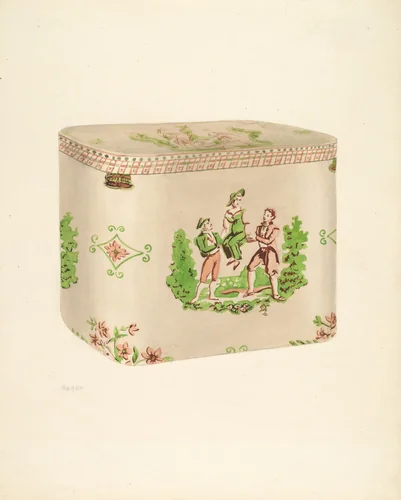
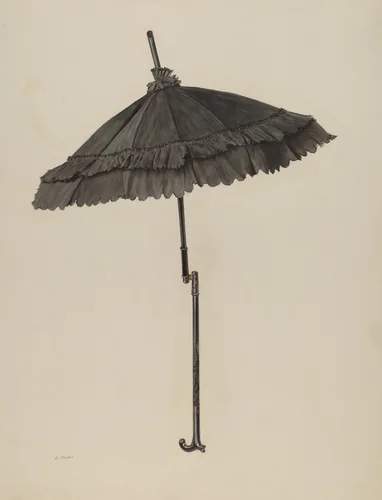
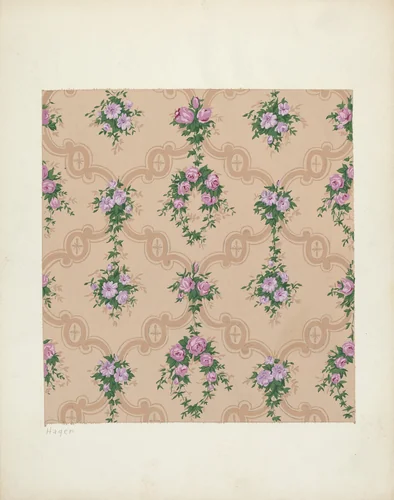
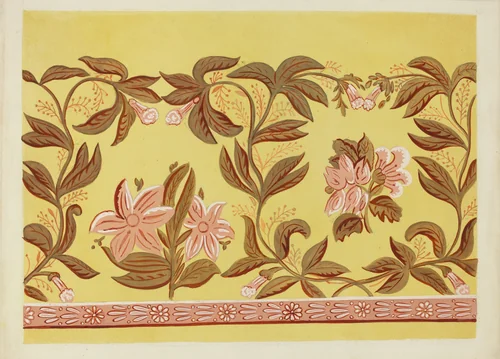
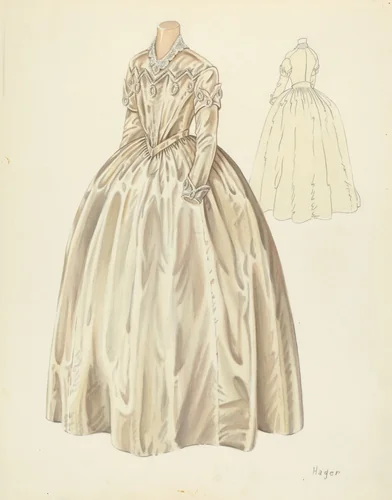
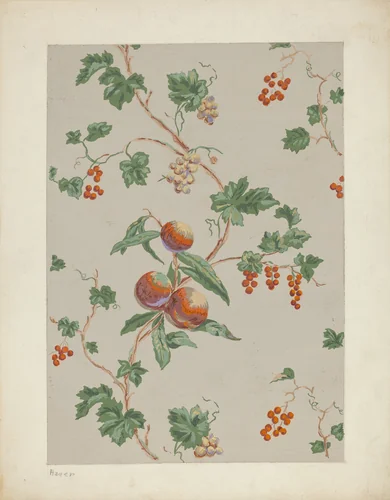
Hager’s output, as recorded across museum collections, demonstrates a focus on highly detailed and precise renderings of functional and decorative objects. Eight documented entries associated with the artist are preserved, reflecting the meticulous standards required by the IAD project. Examples of documented objects held in collections include multiple studies of the Bandbox, along with detailed visual documentation of a Sunshade and historic Wallpaper.
The significance of Lee Hager’s work is established through its preservation within national repositories. Their renderings, produced for the Index of American Design, are held in the permanent collection of the National Gallery of Art. Due to the nature of these WPA projects, much of this detailed documentation is now in the public domain, making these historical works accessible. Scholars and researchers seeking Lee Hager prints can often find downloadable artwork derived from these primary museum sources, ensuring the continued study of these specific American designs and making high-quality prints readily available.