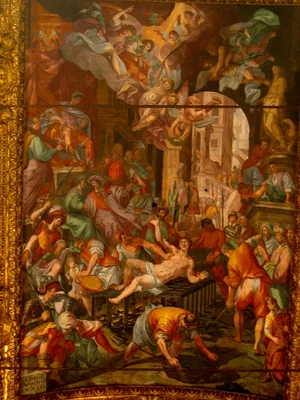
Lazzaro Tavarone
Lazzaro Tavarone (1556-1641) holds a vital position within the late Italian Renaissance and early Mannerist traditions, serving as a critical artistic conduit between the centers of Genoa and Spain. Active primarily in his native city and later extensively on the Iberian Peninsula during the latter half of the sixteenth century, Tavarone’s long career spanned a period of intense religious and artistic transformation. He was instrumental in shaping the visual culture of the Genoese school, carrying forward the high standards established by his predecessors while introducing the heightened emotional drama and elongated forms characteristic of the evolving Mannerist style.
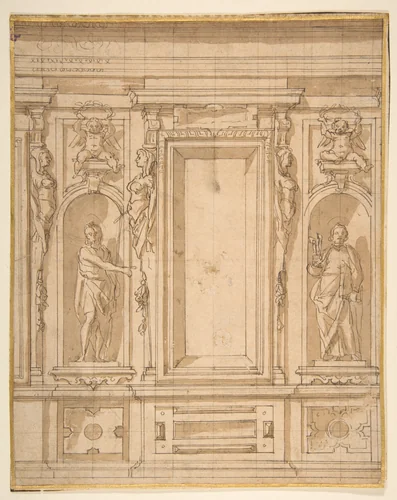
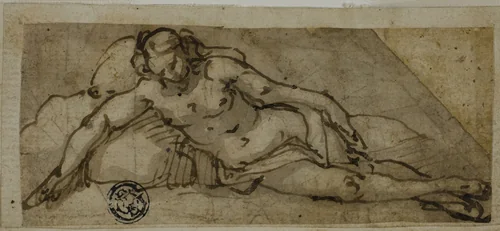
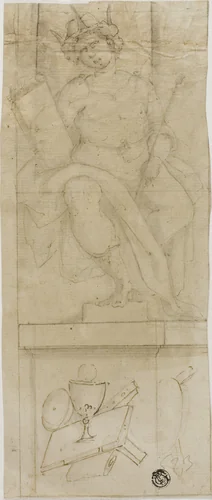
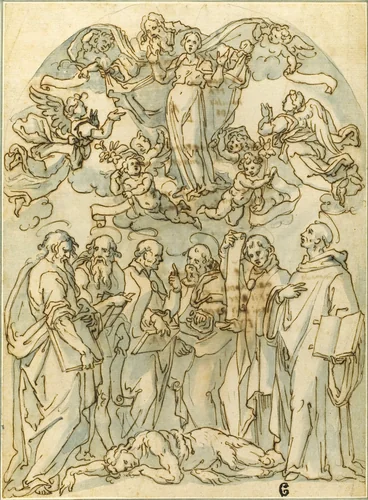
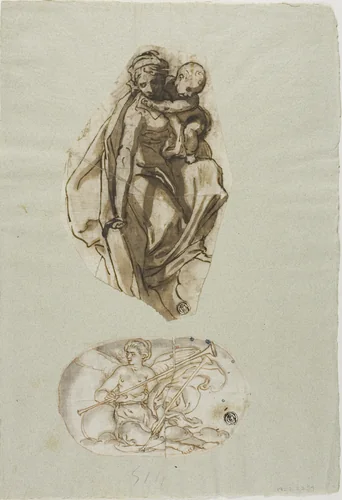
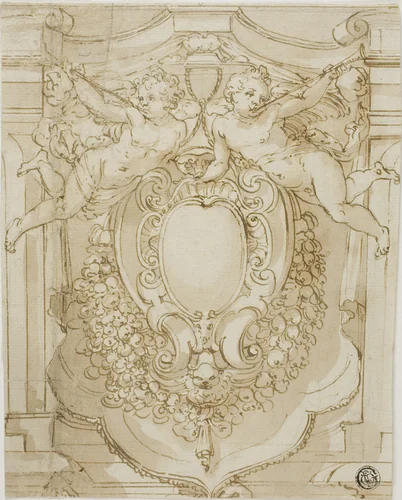
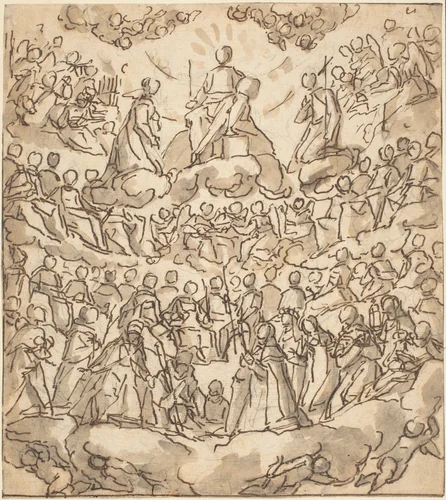
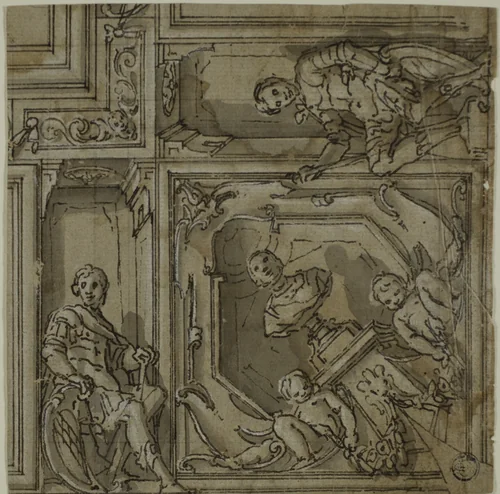
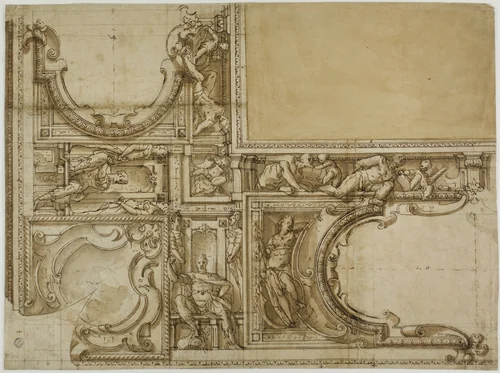
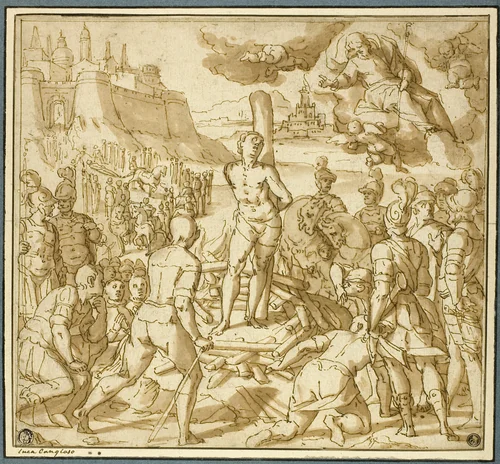
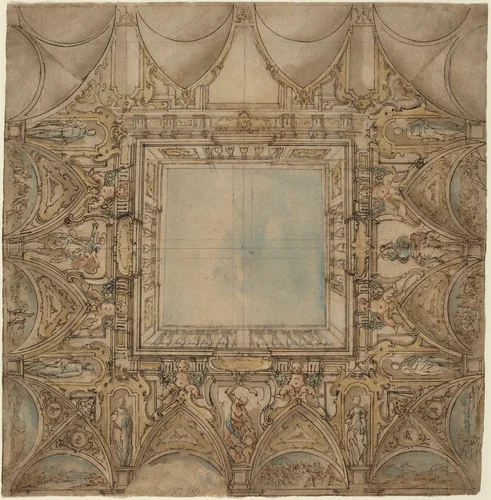
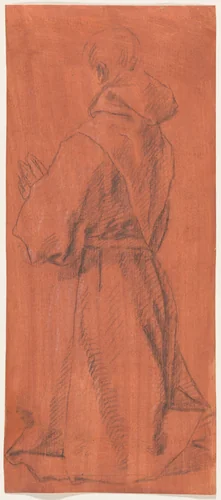
While records indicate Tavarone executed significant fresco and easel Lazzaro Tavarone paintings for churches and palaces, his most enduring and accessible legacy is found in his substantial body of graphic work. The fifteen surviving drawings and preparatory studies, executed with precision and confidence, demonstrate a mastery extending beyond simple figural representation into complex architectural and decorative schemata, necessary for his large-scale commissions. Works such as Wall Elevation with a Window and Statues of Saint John the Baptist and Saint Peter in Niches confirm his technical acumen in architectural planning. Conversely, his powerful figure studies, like the striking Reclining Female Nude, display a rigorous engagement with anatomical detail and classical proportion, suggesting that even within the deeply pious climate of Counter-Reformation Genoa, artists still maintained a quiet but vigorous dialogue with secular antiquity.
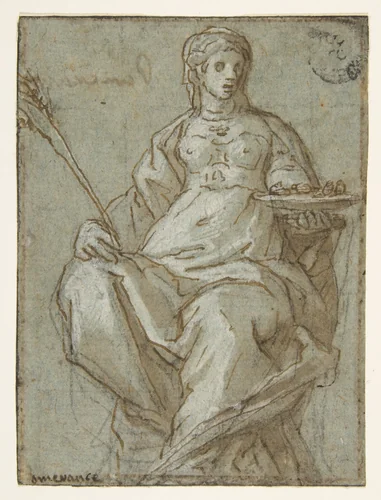
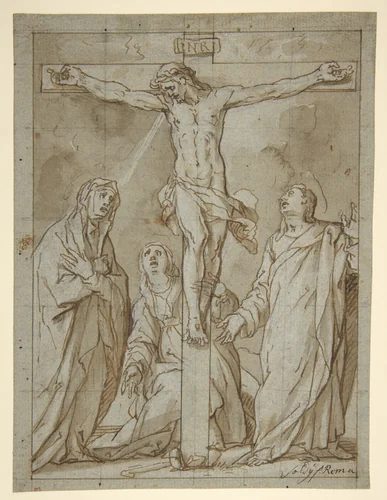
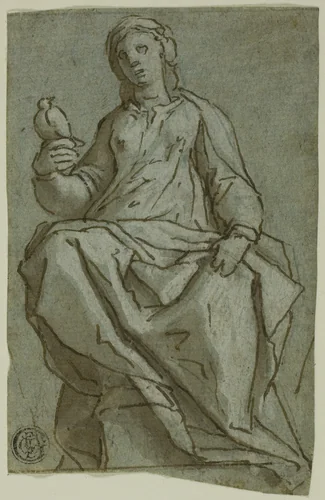
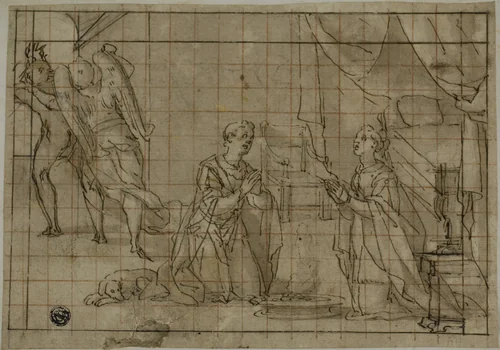
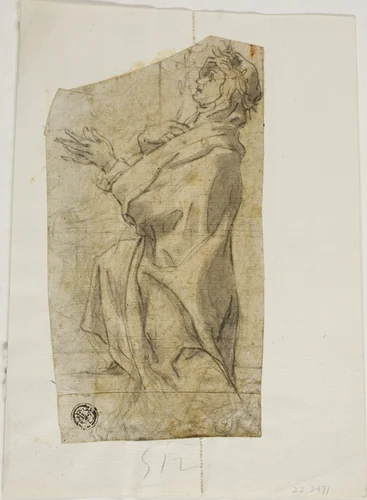
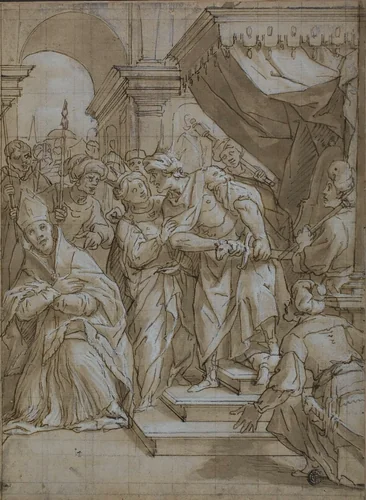
Tavarone often balanced the dramatic requirements of theological narratives, as seen in the intense scene Christ Crucified, Attended by the Virgin, Saint Mary Magdalen, and Saint John the Evangelist, with sophisticated allegorical works, like Allegorical Female Figure Holding a Branch and a Dish. His artistic impact is confirmed by the sustained presence of these influential drawings in prestigious North American collections, including the National Gallery of Art, the Metropolitan Museum of Art, and the Art Institute of Chicago. Fortunately for scholars and enthusiasts, many of these sheets have transitioned into the public domain, allowing institutions to make high-quality prints and downloadable artwork available, ensuring Tavarone’s concise but powerful output continues to define the refined tastes of the late sixteenth-century Genoese school.
Source: Wikipedia · CC BY-SA 4.0