Lawrence Peterson
Lawrence Peterson is critically recognized for his precision work documenting early American decorative arts, contributing significantly to the federal Index of American Design (IAD). This massive survey, executed under the auspices of the Works Progress Administration (WPA) during the mid-1930s, aimed to create an exhaustive visual record of high-quality folk artifacts before they succumbed to time or neglect. Active between 1935 and 1938, Peterson’s meticulously rendered studies of historic textiles and needlework are preserved in major institutional holdings, including the permanent collection of the National Gallery of Art.
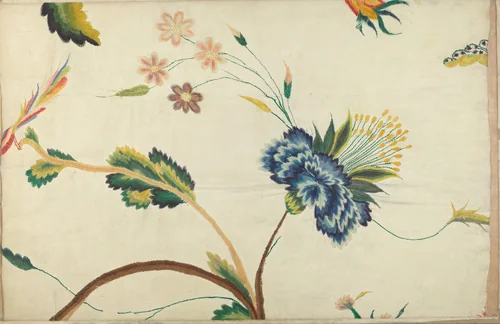
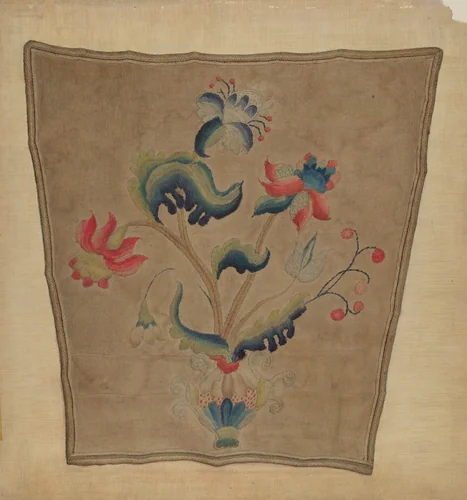
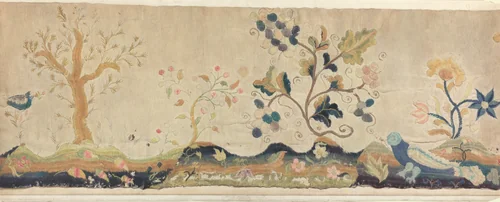
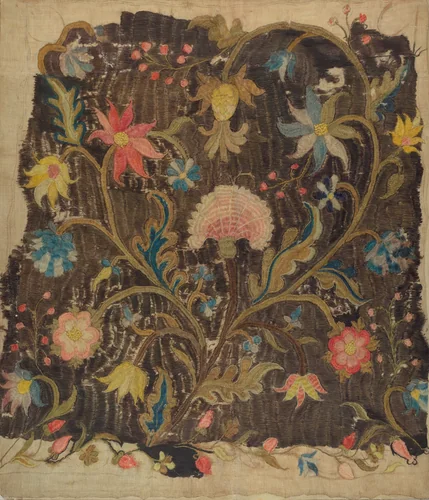
Peterson's corpus for the IAD comprises nine key studies, providing essential visual information regarding textile history and regional craft traditions that would otherwise have vanished from the public record. He specialized primarily in the technical reproduction of seventeenth and eighteenth-century needlework, demonstrating a keen eye for material texture, stitch complexity, and period style.
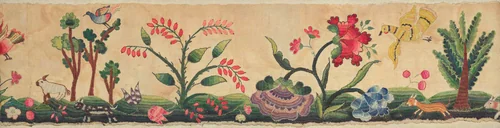
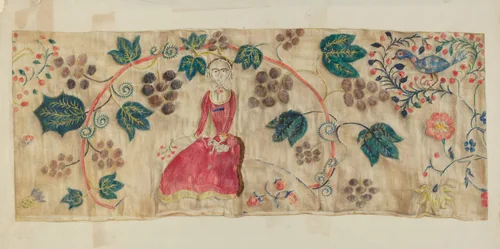
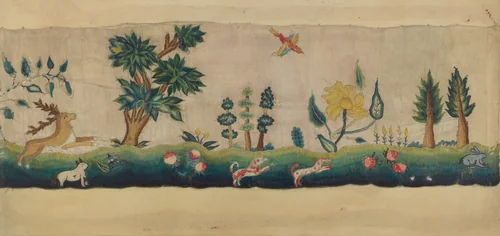
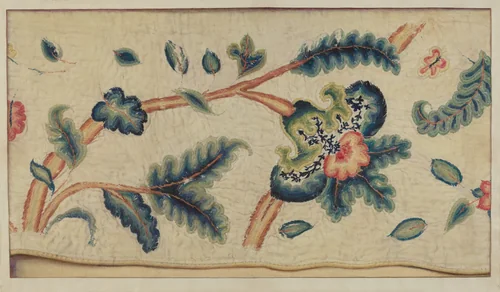
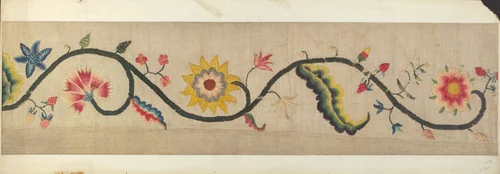
His works are comprehensive, detailing complex artifacts such as Section of Crewel Embroidery on Border of Petticoat, the intricate patterning found in Crewel Embroidered Valance, and a complete study of a Crewel Bedspread. These renderings are not merely photographs; they are hand-drawn visualizations, often executed in watercolor and gouache, specifically designed to capture the three-dimensional character and precise colorations of the original artifacts. The clarity and detail achieved in works like Jacobean Embroidery elevate these documents far beyond simple historical records, cementing their value to modern textile historians and designers. Today, the results of this landmark project are available as downloadable artwork, ensuring these historical findings remain widely accessible.
The provenance of Peterson’s earlier career offers an unusual counterpoint to his commitment to visual preservation. Lawrence Peter Peterson initially pursued a career in civic life, serving as a provincial politician in Alberta, Canada. He sat with the United Farmers caucus in the Legislative Assembly of Alberta from 1921 until 1930, a decade dedicated to public service that preceded his commitment to the Index. It remains a fascinating historical curiosity that an individual who spent years legislating agricultural policy would transition so deftly to documenting museum-quality needlework. His contribution to the IAD remains vital for scholars seeking royalty-free documentation of these complex designs.